Why Mosquitoes Prefer Certain People: New Research Decodes Body Odor
Recent entomological and epidemiological investigations indicate that distinct mosquito species exhibit sharp host preferences driven by specific chemical signatures on human skin, altering long-standing assumptions about vector-borne disease transmission. As researchers map the precise biological mechanisms governing how disease vectors locate human hosts, public health agencies are refining vector control guidelines to mitigate the spread of mosquito-borne pathogens.
Key Clinical Takeaways:
- Mosquito species demonstrate distinct olfactory preferences for human skin chemicals, explaining why certain individuals experience significantly higher bite frequencies.
- Clinical and epidemiological studies published via platforms like PubMed continue to evaluate how human volatile organic compounds influence vector host-seeking behavior.
- Public health interventions rely on understanding these chemical attractants to improve personal protection measures and community-level surveillance programs.
Unlocking the Olfactory Mechanisms of Vector Host-Seeking
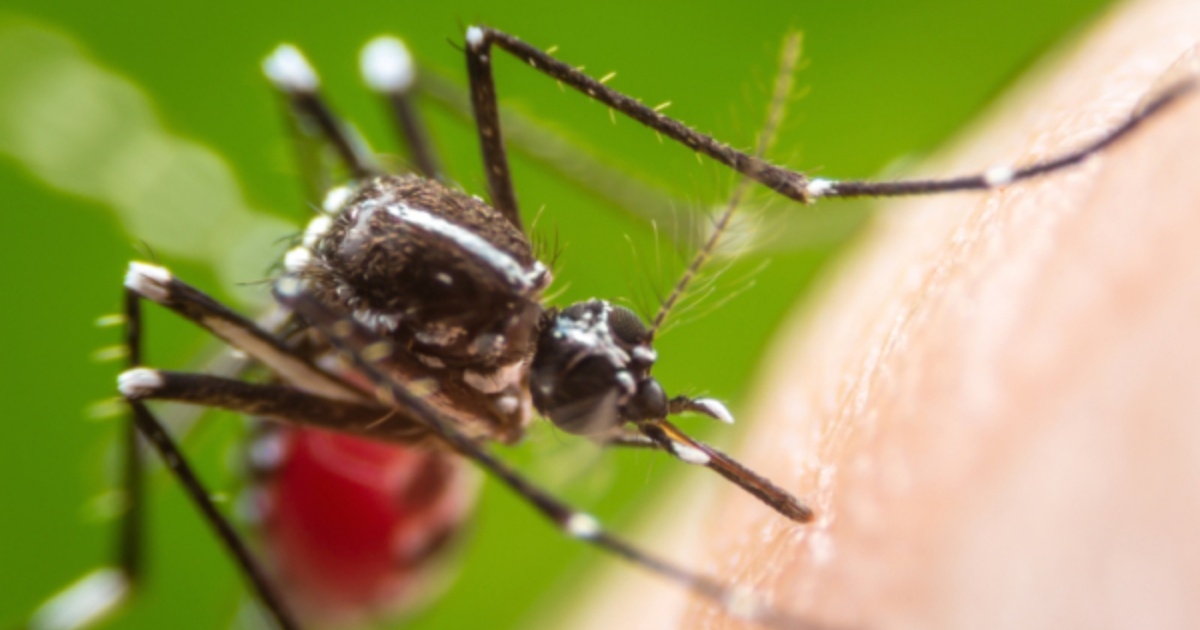
The process by which mosquitoes identify and track human targets relies heavily on olfactory reception rather than random searching. According to data indexed in database repositories such as the National Center for Biotechnology Information, female mosquitoes possess specialized sensilla on their antennae capable of detecting minute concentrations of carboxylic acids and other volatile organic compounds produced by human skin microbiota. These chemical profiles vary substantially across populations, creating differential attraction risks that standard epidemiological models must account for when tracking disease vectors.
Understanding the pathogenesis of mosquito-borne illnesses requires close examination of vector ecology. When specific species target hosts with high concentrations of distinct cutaneous secretions, the transmission dynamics of pathogens such as dengue, Zika, and malaria shift accordingly. Clinical researchers emphasize that population-level protection strategies must evolve to address these localized olfactory variations, ensuring that prevention campaigns target the specific environmental and physiological factors driving vector interactions.
Public Health Triage and Community Protection Protocols
For individuals residing in or traveling to endemic regions, mitigating exposure to aggressive vector species demands a multi-tiered approach grounded in evidence-based prevention. Public health guidance, including advisories maintained by the Centers for Disease Control and Prevention, outlines specific recommendations for utilizing EPA-registered insect repellents containing active ingredients such as DEET, picaridin, or oil of lemon eucalyptus to disrupt host-seeking mechanisms.
Managing clinical concerns related to vector-borne exposures often requires coordinated care, particularly when patients present with acute febrile illness following travel. It is vital to consult with vetted infectious disease specialists or utilize diagnostic services provided by an accredited World Health Organization collaborating center for accurate pathogen identification and timely clinical management. Patients experiencing persistent systemic symptoms after multiple insect bites should promptly schedule an evaluation with a qualified board-certified infectious disease specialist to rule out complex vector-borne pathologies.
As ongoing field studies refine our understanding of vector host selection, healthcare systems must integrate these insights into broader epidemiological preparedness frameworks. Future vector control interventions will likely leverage targeted chemical antagonists to mask human scent profiles, offering a novel paradigm in disease prevention that bridges molecular entomology with frontline clinical practice.
Disclaimer: The information provided in this article is for educational and scientific communication purposes only and does not constitute medical advice. Always consult with a qualified healthcare provider regarding any medical condition, diagnosis, or treatment plan.