Why Mob James Refused to Testify Against Keefe D in Tupac Shakur Trial
Former Mob Piru Bloods member James “Mob James” McDonald testified in Las Vegas regarding the 1996 murder of Tupac Shakur, explaining to PEOPLE why he refused to identify anyone on the stand. McDonald stated he did not want to send Duane “Keffe D” Davis to prison, despite their history of animosity, pointing to his own experiences with incarceration.
The Confrontation in the Clark County Courtroom
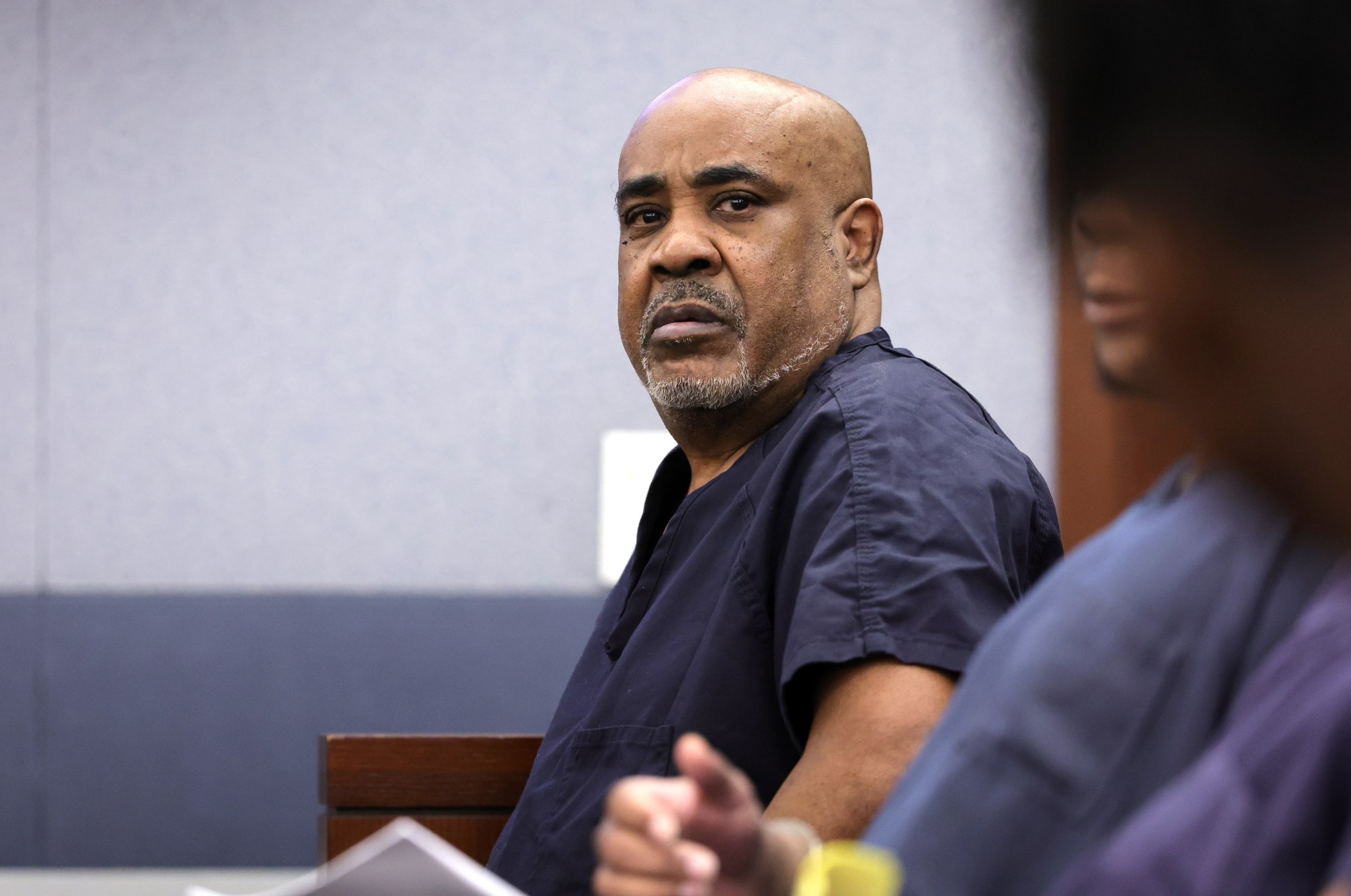
During proceedings at the Clark County District Court Regional Justice Center, McDonald’s testimony sparked tension with legal counsel on both sides. According to reporting from the New York Post, McDonald scoffed at lawyers attempting to question him about the gang war on the Las Vegas Strip, daring the court to treat him as a hostile witness. As a former lieutenant for Suge Knight, the head of Shakur’s label Death Row Records, McDonald acknowledged he was aware of the events surrounding the fatal shooting.
When questioned by Michael Sanft, defense attorney for Duane “Keffe D” Davis, McDonald pushed back directly against inquiries aimed at implicating his former rival. According to reporting from PEOPLE, McDonald told the defense lawyer that answering certain questions would hurt Davis. When pressed to identify individuals present at the shooting, McDonald turned toward Davis, telling him to talk to his lawyer and stating he would not be the one to send him to prison.
Motivations Behind the Stand Refusal
McDonald detailed his personal aversion to participating in the conviction of another Black man, referencing his own time spent in the penitentiary. Speaking to PEOPLE, McDonald noted that his refusal stemmed from personal growth, his Christian faith, and a desire to set an example for his grandchildren. “I didn’t want to come. And I believe in God, I’m raising my kids, I’m going to church,” McDonald told the publication, adding that he only appeared in court because authorities threatened him with jail time if he failed to comply.

While McDonald admitted an intense dislike for Davis, he maintained that seeking legal retribution was not his responsibility. According to the New York Post, prosecutors in the trial argue that Davis provided a gun to his late nephew, Orlando Anderson, directing him to shoot Shakur as an act of revenge following a physical altercation earlier that evening. Davis has maintained that his nephew fired the shots while denying that he issued the order.
Navigating High-Stakes Legal Proceedings
McDonald ultimately framed his courtroom stance as a personal boundary drawn against a system he believes failed to rehabilitate him during his own incarceration. “I’m a survivor, and I lived the worst of the worst,” McDonald told PEOPLE, emphasizing that his decision to withhold names on the stand was driven by a refusal to replicate the cycle of imprisonment.
Keep reading