Why Losing a Favorite Neighborhood Restaurant Feels So Personal
When a favorite neighborhood restaurant closes, loyal customers in communities like Brooklyn experience a profound loss that extends far beyond a simple dining option. According to therapist Najamah Davis, losing a beloved local establishment means grieving routines, safe spaces, and emotional anchors that have long helped shape personal histories and community traditions.
The Deep Emotional Connection to Neighborhood Staples
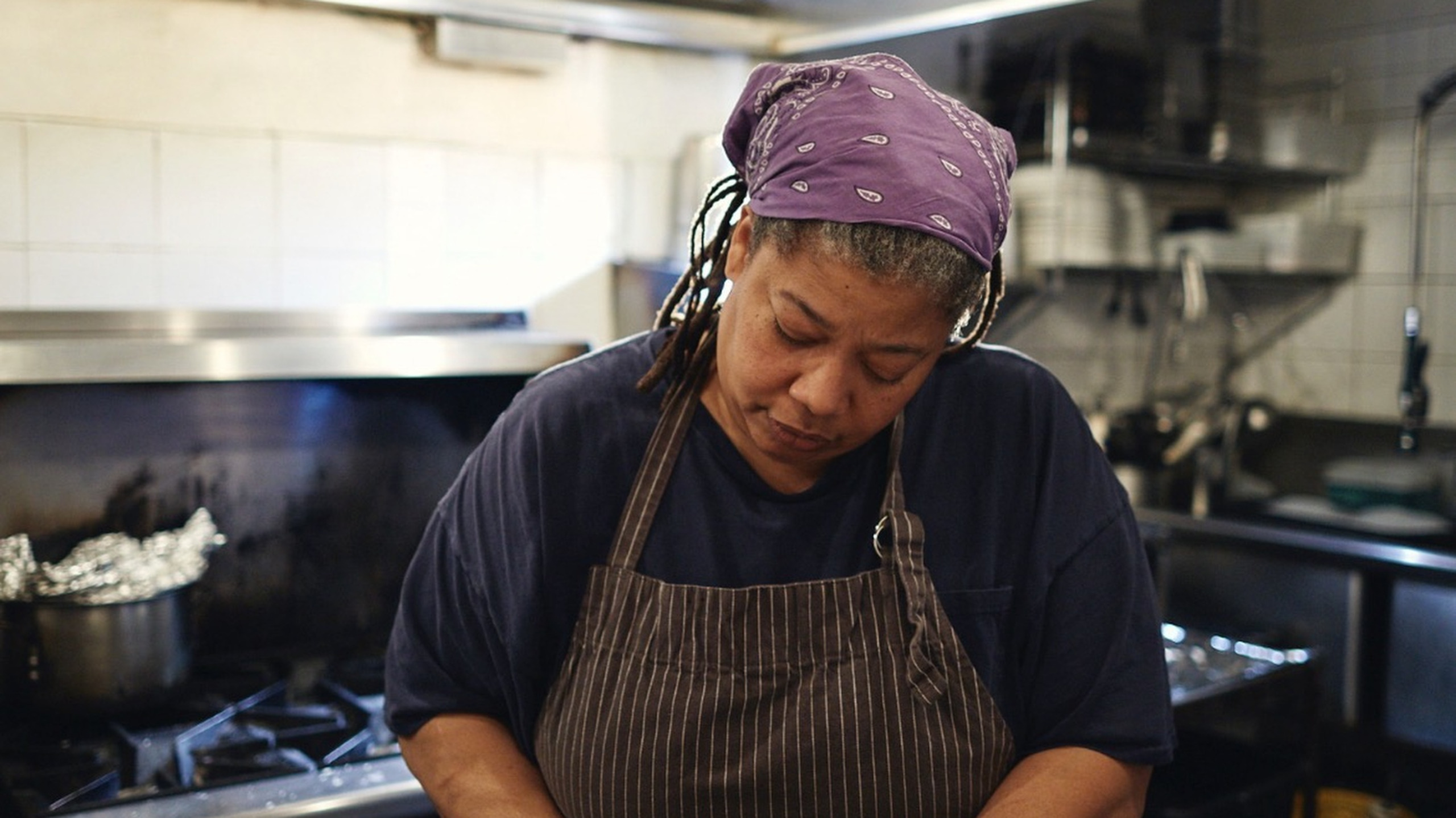
Moving into a new neighborhood often begins with exploring local eateries in search of a spot to revisit. For many patrons, that search ends at places like Cheryl’s Global Soul in Brooklyn. Operating for 20 years, the establishment has functioned as far more than a provider of soul food, acting instead as a vital gathering space for generational families, milestones, and everyday routines.
According to owner Cheryl Smith, people form deep emotional ties to spaces that offer welcoming environments where they feel genuinely taken care of. As Smith notes, diners are never rushed, and even solo visits often lead to new friendships. Similarly, Brooklyn seafood restaurant The Crabby Shack recently announced its upcoming closure, joining a growing list of independent spots shuttering their doors after years of serving as neighborhood mainstays.
Therapist Najamah Davis, LCSW, LCADC, emphasizes that the grief experienced by patrons when these locations close is entirely valid. People grieve not just individuals, but places, routines, and experiences that built their personal stories. Whether it is a venue for birthday celebrations, difficult conversations, first dates, or Sunday family dinners, the loss of a favorite restaurant means losing a physical space holding deeply meaningful memories.
In Black communities specifically, neighborhood restaurants frequently function as crucial emotional and cultural anchors. Davis explains that these spaces cultivate a sense of belonging, comfort, and connection where family traditions are passed down from one generation to the next. Losing them translates directly to losing a piece of home and history.
The Financial Realities Behind Independent Restaurant Closures
While patrons mourn the disappearance of their favorite spots, restaurant owners navigate severe financial strains long before posting a closure notice. For The Crabby Shack owners Fifi Bell-Clanton and Gwen Woods, the decision ultimately stemmed from mounting debt and restrictive cash flow. In a statement provided to EBONY, the owners detailed how every dollar earned went straight back into keeping the business running through vendor payments, payroll, rent, utilities, insurance, and taxes. Over time, revenue simply failed to keep pace with those relentless expenses.
Bell-Clanton and Woods observed initial warning signs as customer traffic dwindled, particularly throughout the winter months. Relying on credit cards with the expectation that summer sales would trigger a recovery proved insufficient to clear accumulated debt while maintaining daily operating costs. Furthermore, both owners pointed to a heavy reliance on third-party delivery apps as a persistent obstacle. While customers appreciate the convenience, restaurants frequently absorb the financial blow, with commissions, required promotions, discounts, and marketing fees swallowing up to 30 percent of an individual order.
Operating an independent establishment introduces complex fiscal hurdles that patrons rarely witness. Cheryl Smith points out that a crowded dining room can easily create a false impression of financial health. Unpredictable product availability, rising energy costs, and shifting licensing fees compound the pressure, alongside landlords who raise rents based on the mistaken assumption that a busy brunch service equals year-round profitability. Brunch traffic typically covers only two days of the week, leaving tables sparse for the remaining five.
Reflecting on their journey, Bell-Clanton and Woods offer essential takeaways for fellow proprietors. Knowing core numbers and avoiding the trap of letting pride delay difficult decisions remains critical. Raising prices when necessary, seeking assistance before financial drowning occurs, and recognizing that activity does not equal profitability form the baseline for survival. As Bell-Clanton and Woods emphasize, passion sustains daily effort, but profit keeps the physical doors open.
Honoring Memories After the Final Meal
Accepting the closure of a cherished venue is undeniably painful, prompting experts to advise against dismissing those feelings. Davis encourages individuals to embrace their sadness rather than minimizing it. Organizing one final visit, capturing photographs, sharing stories with loved ones, recreating signature dishes at home, or supporting owners in their upcoming ventures offer healthy ways to process the transition. Grief over a business does not require a formal ritual; it simply asks people to honor what mattered.
Ultimately, whether processing personal nostalgia or evaluating commercial realities, acknowledging the significance of these neighborhood anchors helps preserve their cultural footprint long after the lights go out.
*Disclaimer: The views and cultural analyses presented in this article are for informational and entertainment purposes only. Information regarding legal disputes or financial data is based on available public records.*