Why KOSA Threatens Online Privacy and Free Speech for Everyone
Senate Commerce Committee Advances KOSA Amid Continuing Privacy Concerns
As enterprise compliance teams and software developers monitor the regulatory pipeline, the bill's expanded age verification mandates threaten personal privacy architectures.
- Regulatory Milestone: The Senate Commerce Committee advanced KOSA on August 5, 2026, setting up a full Senate vote.
- Privacy Bottlenecks: The bill’s duty of care provisions force platforms to implement intrusive age verification systems, centralizing sensitive user data.
- Censorship Risks: Broad liability rules incentivize platforms to preemptively censor lawful speech and mental health support forums.
Architectural Flaws in Platform Age Verification
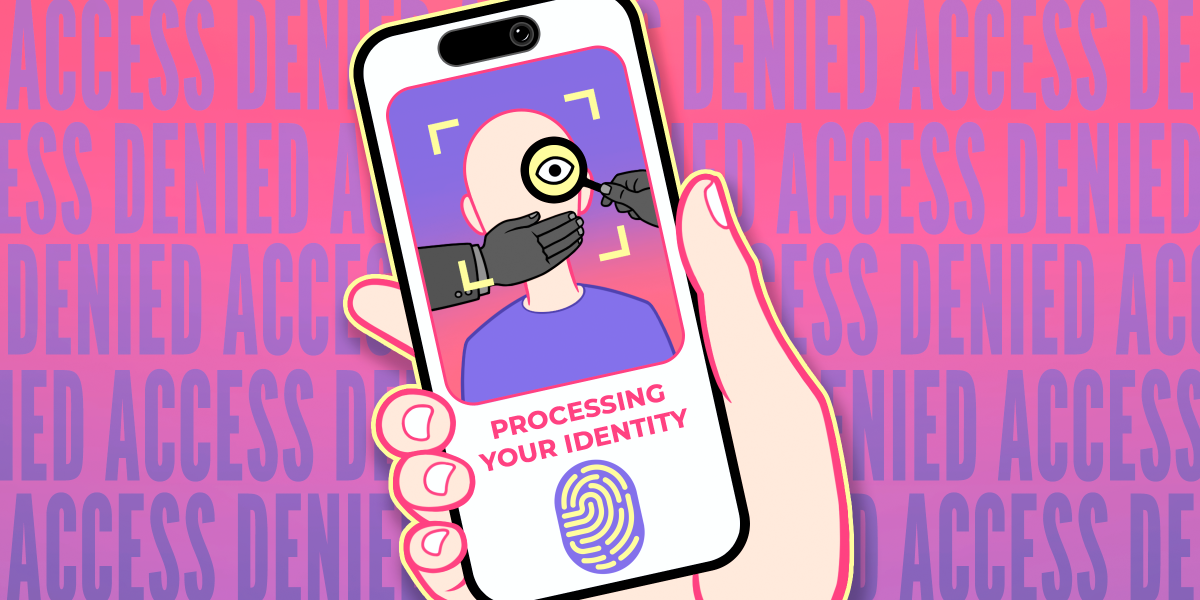
The legislative push behind KOSA introduces architectural friction for web services and online platforms. Meeting these compliance requirements pressures platforms to verify user ages using government identification documents, facial analysis, or bank records. When organizations ingest and store this caliber of sensitive personally identifiable information, they create new databases of personal information that can be breached, misused, or demanded by governments.
# Example: Mock Identity Verification API Payload Vulnerability Check
POST /api/v1/verify-age
Host: secure.platform-example.com
Content-Type: application/json
Authorization: Bearer

{
  "user_id": "usr_99812734",
  "verification_method": "government_id_scan",
  "pii_retention_flag": true
}
# Warning: Retaining raw identification metadata violates data minimization principles.
Legal Liability and the Suppression of Lawful Speech
Beyond database vulnerabilities, KOSA empowers elected state attorneys general to enforce compliance standards across diverse digital jurisdictions. According to analyses from civil liberties groups, this decentralized enforcement model encourages risk-averse platforms to over-censor lawful content. When services face immediate legal exposure for user-generated discussions touching on mental health, substance use, or identity support, their automated moderation pipelines default to total removal. Software engineers building community support forums and recovery networks find their application logic undermined by statutory mandates that penalize open discourse.
The legislative package advancing alongside KOSA—including the SCREEN Act, the CHATBOT Act, and the Youth AI Privacy Act—compounds these operational bottlenecks. As enterprise compliance obligations scale across multiple concurrent statutes, legal and engineering departments must coordinate closely.
The Legislative Path Forward
The full Senate must now weigh the long-term architectural and civil liberties costs of the Commerce Committee’s latest vote. While safeguarding minors online remains a vital societal goal, technical experts argue that achieving it by undermining privacy is counterproductive. Comprehensive privacy legislation that protects all users uniformly—without forcing platforms to harvest sensitive identity data—remains the industry-preferred solution for a secure digital ecosystem.
Disclaimer: The technical analyses and security protocols detailed in this article are for informational purposes only. Always consult with certified IT and cybersecurity professionals before altering enterprise networks or handling sensitive data.