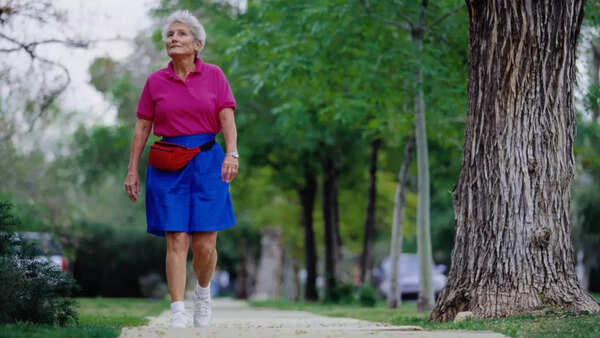
Japanese Seniors Unlock Youth with Interval Walking
Discover the secret to sustained vitality and longevity.
In Japan, a nation renowned for its exceptionally long-lived population, seniors aren’t just living longer; they’re living actively. A cornerstone of this vibrant aging process is a structured approach to walking, scientifically known as Interval Walking Training (IWT), or “Japanese Walking.”
The Science Behind Japanese Walking
Approximately two decades ago, researcher Hiroshi Nose and his colleagues in Japan presented findings that highlighted the effectiveness of high-intensity interval walking. Their study revealed that middle-aged and older adults who practiced IWT experienced notable health improvements.
Participants in the IWT group exhibited reduced blood pressure, enhanced thigh muscle strength, and better aerobic capacity when compared to individuals who maintained a consistent, moderate walking pace.
How to Practice Interval Walking Training
The IWT routine is straightforward and accessible. It involves alternating between three minutes of brisk walking and three minutes of slower walking. This cycle is repeated for a total of 30 minutes, ideally four or more days per week.
“One of the most surprising findings was that IWT markedly increased physical fitness and decreased blood pressure after the 5-month intervention, whereas these improvements were not observed in the moderate-intensity continuous walking group.”
—Shizue Masuki, Professor, Shinshu University Graduate School of Medicine
Further research has continued to validate these initial discoveries. A 2023 study involving individuals with Type 2 diabetes and a 2024 study focusing on adults over 65 both indicated that IWT significantly improved cholesterol levels, body mass index (BMI), flexibility, and cardiorespiratory endurance, outperforming control groups.
Broader Health Benefits of IWT
Experts emphasize that walking, especially with varied intensity, places healthy stress on the heart, improving its overall function and lowering resting blood pressure. The subsequent relaxation phase allows the body to recover, contributing to better blood pressure regulation.
Beyond cardiovascular advantages, additional studies from Masuki‘s team have pointed to improved sleep quality, enhanced mood, better cognitive function, and a reduction in depressive symptoms among IWT practitioners.
The mental health benefits of being active outdoors are well-established, often leading to lower blood pressure, reduced stress hormones like cortisol, improved concentration, and better sleep. IWT offers a time-efficient way to achieve these benefits, making it an excellent option for those with busy schedules.
For instance, a 2022 study published in the *Journal of Aging and Physical Activity* found that a 12-week interval walking program improved executive function in older adults, demonstrating tangible cognitive gains from the practice.