
Guard Your Hearing to Potentially Shield Your Brain
Emerging research suggests a strong link between hearing loss and cognitive decline.
Protecting your hearing as you age may offer surprising benefits for brain health. A recent study indicates a potential connection between hearing loss and dementia, suggesting that addressing hearing issues could play a role in maintaining cognitive function.
Understanding the Connection
Hearing loss, often occurring gradually, can stem from various factors including genetics, chronic illnesses, smoking, and natural aging processes, known as presbycusis. Audiologist Nicholas Reed clarifies that it’s not merely about volume, but a decline in sound clarity, making speech sound garbled.
“There are already more than enough established benefits related to hearing care,” states Reed, a faculty member at NYU Langone Health’s Optimal Aging Institute. He emphasizes that maintaining good hearing is crucial for staying engaged with the world.
Hearing Loss and Dementia Risk
Preliminary research indicates an association between hearing loss and increased cognitive decline, alongside a higher risk of developing dementia. While a direct cause-and-effect relationship hasn’t been established, studies are exploring this link.
One study, analyzing data from nearly 3,000 older adults, estimated that 32% of dementia risk could be associated with hearing loss. Researchers theorize that this link might be due to social isolation resulting from hearing difficulties, which can strain the brain and affect memory. Another possibility is that reduced auditory stimulation from hearing loss could contribute to accelerated brain atrophy.
Strategies for Hearing Preservation
While age-related hearing changes and genetics are beyond our control, lifestyle choices can mitigate damage from other causes. Managing conditions like high blood pressure and diabetes, and limiting exposure to loud noises are key.
Protecting your ears from damaging noise, such as that from construction equipment or loud music, is vital. Reed recommends using over-ear protection, like headphones, at loud events, suggesting they can be more effective than earplugs.
“A healthy lifestyle and healthy listening habits can go a long way,” advises Reed. He also suggests getting hearing checked starting in your late 30s or 40s to establish a baseline and identify changes over time.
Interventions for Hearing Loss
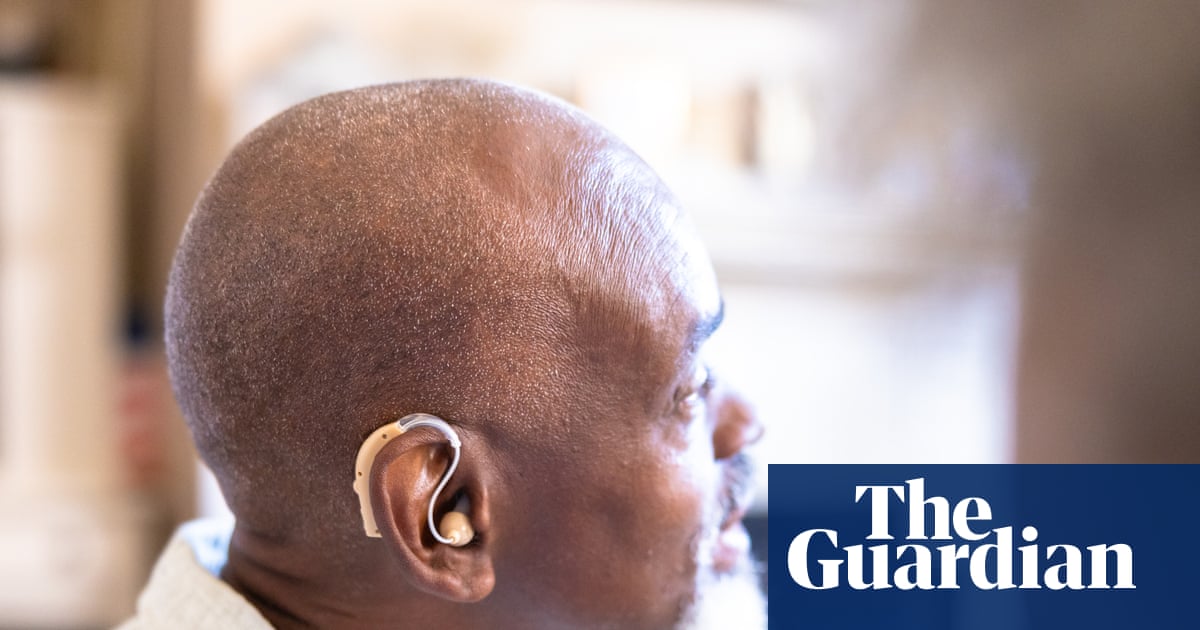
While hearing loss cannot always be reversed, various treatments and devices can help manage it. Hearing aids, available over-the-counter or by prescription, can significantly improve quality of life. Adjusting to them may require time and practice.
There is a growing recognition of the need to expand insurance coverage for hearing aids, as their benefits extend beyond just better hearing. “The idea is that, in theory, if a person uses hearing aids, communication becomes easier and you lower the burden of cognitive load,” explains Reed. “You’re stimulating the brain with more auditory signals.”
Assistive technologies, such as apps that convert speech to text or personal amplifiers, can also aid communication. Even consumer electronics like Apple AirPods Pro 2 now include features that assist with hearing in specific environments.
Moreover, community support plays a crucial role. Simple communication strategies, like speaking clearly and facing the person you’re talking to, can greatly enhance interaction for those with hearing loss. As Reed puts it, “Some communication tips can go really far.”
