
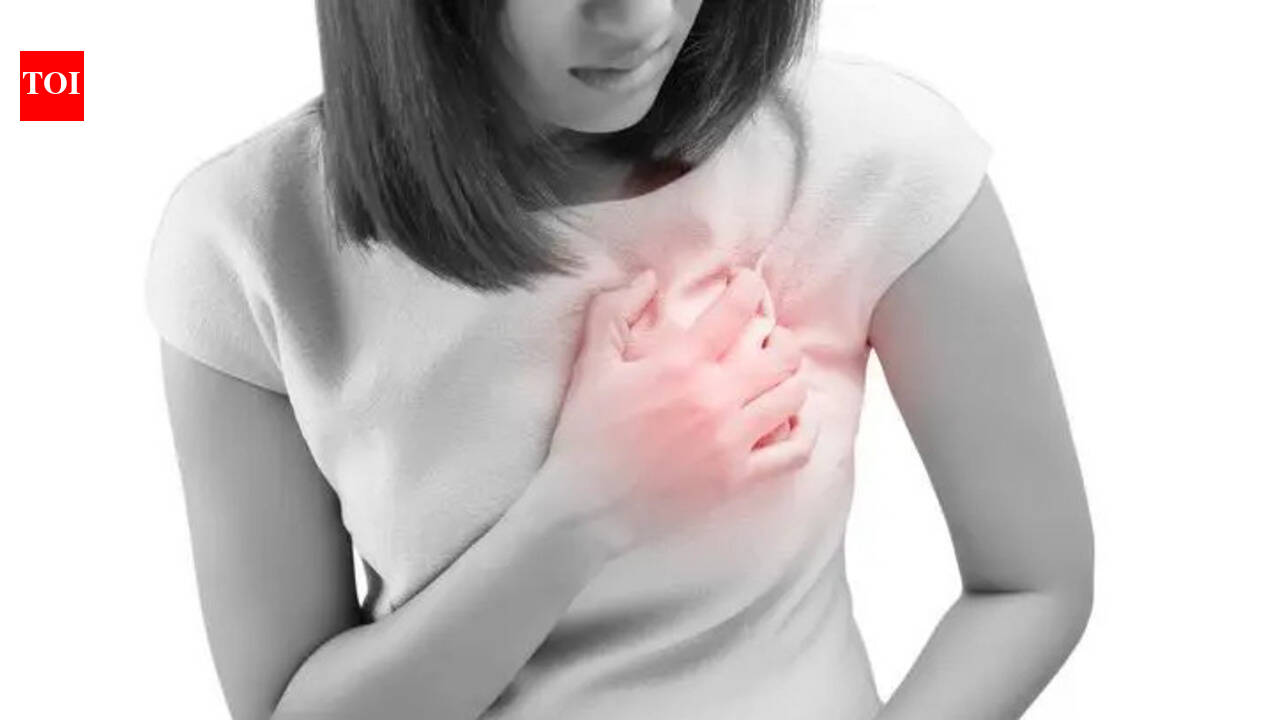
Why Heart Disease Is Often Misdiagnosed in Women
Heart disease remains the leading cause of death for women in the United States, yet a systemic failure in the diagnostic pipeline continues to jeopardize countless lives. For too many women, the path to cardiac care is obstructed by clinical bias and a rigid adherence to male-centric symptom models, leading to dangerous delays in critical intervention.
Key Clinical Takeaways:
- Heart disease is the primary killer of women, claiming more lives annually than all types of cancer combined.
- Women under 55 are seven times more likely than men to be discharged from emergency departments without receiving essential cardiac testing.
- Diagnostic delays are frequently driven by the misattribution of cardiac symptoms to anxiety, stress, or non-cardiac issues.
The prevailing medical narrative has long been dominated by the “Hollywood heart attack”—the dramatic, sudden collapse accompanied by crushing chest pain. This archetype, rooted in decades of research that focused almost exclusively on male subjects, has created a perilous gap in the standard of care for women. When patients do not present with these classic signs, their distress is often minimized. Nouran Sorour, a cardiologist, notes that many women experience vague symptoms that fly under the radar, leading them to seek specialist care only after weeks or months of dismissed concerns.
The Statistical Reality of Emergency Room Bias
The disparity in triage is most evident in acute care settings. Research published in the Journal of the American Heart Association reveals a staggering epidemiological trend: women under the age of 55 are seven times more likely than their male counterparts to be sent home from the emergency room without proper cardiac testing. This failure in the diagnostic process is not merely a series of isolated errors but a systemic issue where symptoms are frequently misattributed to panic attacks, acid reflux, or musculoskeletal strain.

This lack of timely recognition increases the risk of long-term morbidity and permanent heart damage. When the clinical threshold for testing is calibrated to male presentations, women are effectively sidelined in the emergency department. To mitigate these risks, it is essential for patients to seek evaluation at specialized diagnostic centers that utilize comprehensive screening protocols tailored to diverse patient demographics.
“Heart disease in women is widely underdiagnosed and undertreated, and the symptoms often ignored, misunderstood, or written off as ‘all in your head’—even by health professionals.”
Somatic Divergence: Recognizing Non-Classic Symptoms
The pathogenesis of heart disease does not manifest identically across genders. While angina or chest pain can occur, women frequently exhibit a broader spectrum of somatic manifestations that are easily overlooked by both the patient and the provider. According to the Centers for Disease Control and Prevention (CDC), these potential warning signs include:
- Pain in the jaw, throat, neck, or upper abdomen
- Unexplained fatigue or extreme tiredness
- Shortness of breath and lightheadedness
- Nausea or vomiting
- Pain or discomfort in one or both arms, or the back
Since these symptoms do not fit the traditional cardiac narrative, they are often dismissed as “just stress.” This psychological dismissal creates a dangerous feedback loop where women, unsure of their risk, may delay seeking help. Data suggests that only half of women realize heart disease is their number one health threat, a lack of awareness that directly contributes to delayed diagnosis and fewer preventive conversations during routine medical visits.
The Legacy of Clinical Exclusion
The current crisis of misdiagnosis is the direct result of historical gaps in medical research. For decades, women were significantly underrepresented in clinical trials, meaning the foundational knowledge of how heart disease presents and progresses was built on a male biological blueprint. This exclusion has left physicians with an incomplete toolkit for diagnosing female patients, as the “typical” warning signs were defined by a population that did not include them.
The World Heart Federation reports that cardiovascular disease accounts for approximately 30% of annual deaths in women—a figure double the number of female deaths caused by cancer. This stark reality underscores the urgency of evolving our clinical approach. Addressing this gap requires a transition toward gender-specific cardiology and an increase in the number of board-certified cardiologists who are trained to recognize the nuanced presentation of female cardiac distress.
The systemic bias is further compounded by the tendency to label female cardiac symptoms as psychosomatic. When a patient is told their heart attack symptoms are “just anxiety,” the clinical window for effective intervention closes. Breaking this cycle requires a fundamental shift in how healthcare providers approach female patients, moving away from the “classic” model and toward a more inclusive, evidence-based diagnostic framework.
Advocating for Clinical Precision
Improving outcomes for women requires a dual approach: empowering patients to trust their bodies and reforming the institutional protocols of triage. For women experiencing persistent, unexplained fatigue or atypical pain, the risk of ignoring these signs is too high. Proactive screening and the utilization of integrated women’s health clinics can provide the early detection necessary to prevent catastrophic events.
The trajectory of cardiological care must shift toward a model where gender-specific symptoms are treated with the same clinical urgency as crushing chest pain. As research continues to bridge the knowledge gap, the focus must remain on eliminating the bias that treats the male experience as the universal standard. The future of cardiovascular health depends on a healthcare system that sees, hears, and tests every patient based on their unique biological profile rather than an outdated stereotype.
Disclaimer: The information provided in this article is for educational and scientific communication purposes only and does not constitute medical advice. Always consult with a qualified healthcare provider regarding any medical condition, diagnosis, or treatment plan.