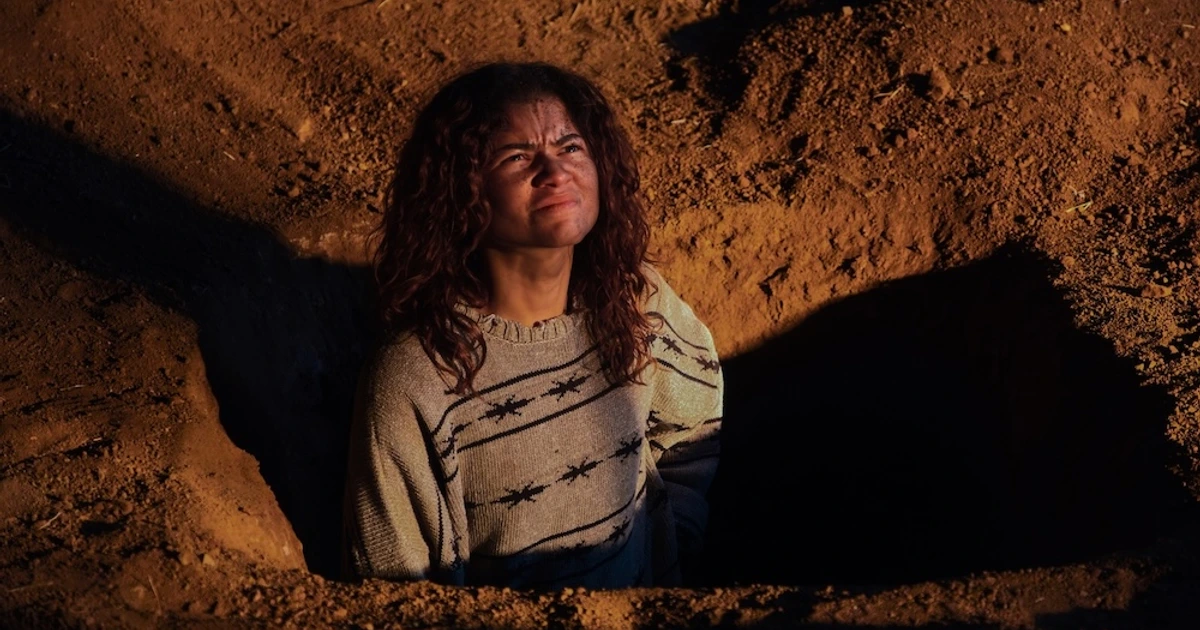
Why Fans Are Quitting Euphoria Season 3: Shock Value vs Substance
HBO’s Euphoria is facing a critical identity crisis during its presumed final season as viewers and critics accuse showrunner Sam Levinson of prioritizing shock value over narrative substance. The series, which fast-forwards five years to depict the characters as adults, is grappling with the loss of its sonic architect, Labrinth, and intensifying backlash over its portrayal of race and gender.
For years, Euphoria operated as more than just a television show; it was a visual and auditory brand. It defined an era of SVOD dominance through a hyper-stylized lens that balanced brutality with a dreamlike, ethereal quality. However, as the current season unfolds, that equilibrium has shattered. The series has transitioned from a subversive exploration of youth into what critics on social media are calling a “fetish palace,” where the aesthetic no longer serves the story, but rather masks a void of meaningful character development.
The most glaring casualty of this shift is the show’s emotional resonance. The abrupt exit of Labrinth, who orchestrated the musical odyssey of the first two seasons, has left a vacuum that cinematography alone cannot fill. According to GQ, Labrinth departed the project because the “creative camaraderie started to dissipate” and the “family and the fluidity started to deteriorate” for no apparent reason. This loss of creative synergy has stripped the show of its atmosphere, leaving the on-screen carnage feeling clinical rather than visceral. When the music no longer carries the emotional weight, the violence becomes gratuitous, and the “vibe” that once made the show a cultural phenomenon evaporates.
“Euphoria has absolutely lost both the plot and its mind. This show is nothing but Sam Levinson’s fetish palace. There’s barely a coherent story anymore, just all flash and no substance.”
This narrative collapse is most evident in the show’s increasingly aggressive pursuit of shock. The introduction of Cassie’s OnlyFans storyline and a scene featuring an exotic dancer in a lewd brothel have sparked accusations of exploitation. While Sam Levinson has defended these choices as a raw look into a world “cauterized” and “influenced by pornography and social media,” the distinction between reflecting societal behavior and glorifying it has blurred. When a production pushes this far into the explicit without a corresponding increase in psychological depth, it risks alienating its core audience and damaging its long-term brand equity.
For a network like HBO, this shift creates a precarious situation. When a flagship IP drifts from “revolutionary” to “exploitative,” the fallout isn’t just artistic—it’s a PR nightmare. In these moments, studios often pivot toward [Crisis PR Firms] to manage the narrative and prevent a total collapse of viewer sentiment. The goal is to reposition the “shock” as “artistic bravery” before the audience completely taps out.
The friction extends beyond the sexualized imagery and into the show’s handling of racial dynamics. Levinson has faced sharp criticism for his depiction of the Black experience, specifically a plot point where a Black character is portrayed as more offended by being called a “pig” than by the N-word. In an interview with Variety, Levinson justified this as an “entry point into this man’s psychology” and an attempt to “play with the racial dynamics of these two crews.” However, the reaction from the audience has been one of disbelief, with many questioning the diversity and influence of the writers’ room.
Despite these structural failures, the acting remains a high-water mark. Adewale Akinnuoye-Agbaje delivers an Emmy-caliber performance as the drug kingpin Alamo Brown, providing a gravitational pull that keeps the episodes grounded. Alongside him, Marshawn Lynch, Darrell Britt-Gibson, and Asante Blackk have managed to extract genuine tension from a script that often feels untethered. It’s a testament to the cast’s professionalism that they can find humanity within a framework that feels increasingly cold.
From an industry perspective, the current state of Euphoria serves as a cautionary tale about the dangers of the “auteur” complex. When a showrunner’s vision becomes untethered from the creative checks and balances—such as the “creative camaraderie” Labrinth mentioned—the intellectual property begins to cannibalize itself. The show is no longer fighting the boundaries of television; it is fighting its own lack of coherence.
As the series reaches its presumed conclusion, the question is no longer whether the characters will survive the carnage, but whether the Euphoria brand can survive its own excesses. The transition from a cultural touchstone to a cautionary tale is a swift one. For the talent involved, the priority now shifts toward future-proofing their careers. High-profile actors often rely on elite [Talent Agencies] to pivot their public image away from a failing project and toward new, more stable IP that doesn’t rely on shock value for engagement.
we are not quitting Euphoria because it is too disturbing. We are quitting because the disturbance has become the only point. When the flash is all that remains, the substance is not just missing—it’s irrelevant. For those navigating the wreckage of a high-profile brand collapse or seeking to build a creative project that lasts, finding vetted professionals in reputation management and legal counsel is the only way to ensure that a “vibe” doesn’t become a liability. You can find these industry leaders through the World Today News Directory.
Disclaimer: The views and cultural analyses presented in this article are for informational and entertainment purposes only. Information regarding legal disputes or financial data is based on available public records.