Why Everyone Suddenly Hates Influencers
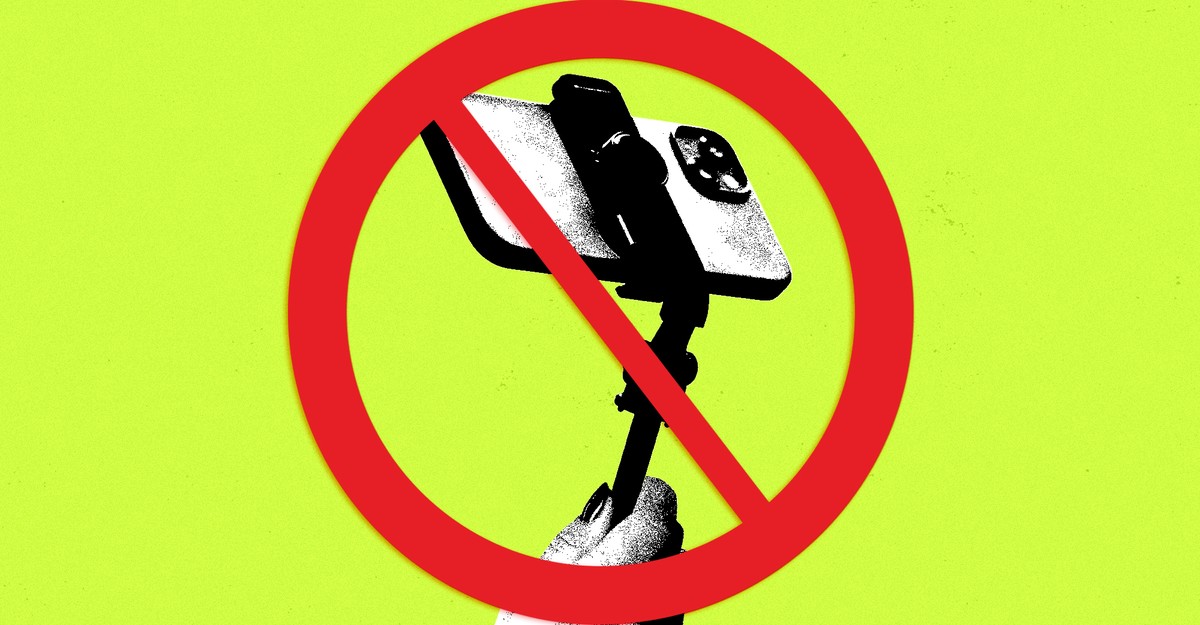
As the summer travel season peaks in July, a Nantucket gift shop’s “No Influencers” sign has sparked debate, exposing public frustration over content creation clogging physical spaces. The viral fallout underscores a growing commercial and social friction between everyday patrons and digital creators across global vacation hotspots.
Less than a decade ago, defining the word influencer required editorial caution and scare quotes. By 2023, according to marketing consultant estimates cited by cultural analysts, roughly 27 million Americans earned income making online content. Yet, as Arizona State University launches a bachelor’s degree in content creation through its journalism school, the occupation remains culturally precarious. Lacking a formal professional code and facing oversaturated markets, creators frequently lean into rage bait for attention, while consumers increasingly voice exhaustion with aspirational digital curation.
This digital fatigue frequently spills into the physical world. In recent years, a Brooklyn coffee shop banned photography after tripods and lights overwhelmed the venue. Indonesia announced plans to crack down on paid content creation conducted on tourist visas, while destinations like Bali, Iceland, and Santorini face continuous friction between local residents and visiting creators.
The Nantucket Sign and the Economics of Viral Outrage
The latest flashpoint occurred in Nantucket, an island experiencing heavy summer influencer traffic. The operators of a local gift shop hung a handmade sign reading “No Influencers” inside the store and posted a photograph of it on Instagram. The image drew immediate online attention, pulling in thousands of responses including remarks from prominent digital creators.
Paige Paul, a creator with approximately two million followers across platforms who has spent time on the island since childhood, criticized the sign as a misogynistic slight against a predominantly female industry. Conversely, store owner John Sylvia stated the sign was intended as an internal joke for locals. “A lot of people are tired of feeling like extras in someone else’s video,” Sylvia told New York magazine.
Despite the initial backlash, the financial impact for the boutique proved advantageous. According to interviews given by Sylvia’s partner, Jessica Jenkins, to The New York Times, the store’s Instagram account gained approximately 8,000 followers following the online dispute. “It’s come with a lot of drama,” Jenkins noted, “But it also brings in business.” When retail brands and small businesses face intense public scrutiny or unexpected viral flashpoints, navigating the fallout requires sophisticated media management.
Managing Physical Space and Digital Media Monopolization
The tension between public space accessibility and commercial content generation creates acute operational challenges for hospitality venues and retail operators. As consumer resentment mounts against creators who block thoroughfares for social media engagement, business owners find themselves managing crowd control and property rights. High-end retail locations and luxury destinations frequently partner with experienced event management agencies to establish clear boundaries regarding commercial filming, private property protections, and visitor flow.
Ultimately, the Nantucket sign targets the behavior of individuals rather than the concept of digital marketing itself. As online advice increasingly shifts toward algorithmic recommendations and synthetic media, physical spaces remain battlegrounds for authenticity. Whether this incident establishes a legal or operational precedent for how retail spaces handle commercial filming remains to be seen, but businesses dealing with public visibility will continue relying on legal counsel and IP attorneys to protect their commercial premises and brand equity.
Disclaimer: The views and cultural analyses presented in this article are for informational and entertainment purposes only. Information regarding legal disputes or financial data is based on available public records.