
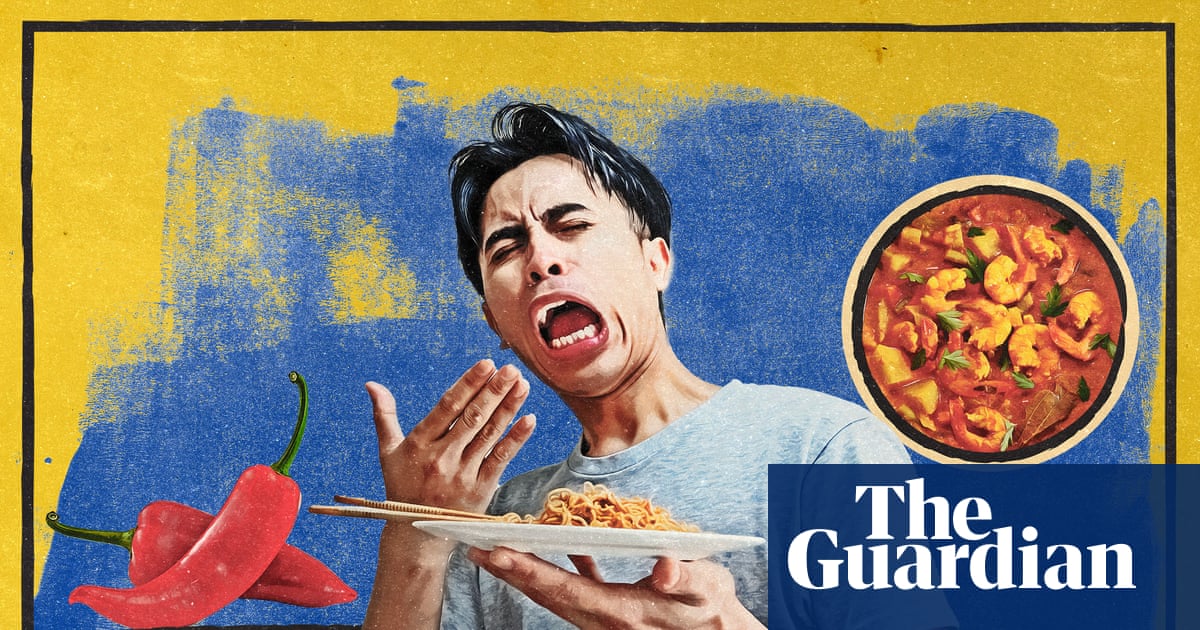
The Allure of Agony: Why We Crave the Burn of Spicy Food
London – A growing body of research is revealing why millions willingly subject themselves to the fiery sensation of chili peppers, from Korean spicy wings to Indian jalfrezis – and it’s not simply a matter of taste. Scientists are discovering that our enjoyment of spicy food is rooted in a complex interplay of physiological responses, psychological reframing, and social bonding.
The pain experienced when consuming capsaicin, the chemical compound in chili peppers that activates heat receptors, triggers the release of endorphins, creating a mild “high,” according to recent studies. However, the appeal goes deeper than a simple chemical reaction. Dr. Lucy Browne, a researcher in the field, explains that “there’s also the idea of reappraisal…through exposure and experience, we reframe the meaning of what the pain represents and that it’s actually safe for us.” This sense of control and mastery over the discomfort mirrors the appeal of other thrilling experiences like rollercoasters or scary movies, a phenomenon termed “benign masochism.”
The brain learns to reinterpret the initial threat, reducing the impact of the stimulus. This learning process, coupled with the social aspect of sharing spicy food with friends and family, enhances the experience.
for those caught unprepared by the heat,understanding how to counteract capsaicin is key. Water is ineffective, as capsaicin is fat-soluble and hydrophobic. Instead, dairy products like milk and yoghurt work by dissolving and binding to the capsaicin, removing it. Even better, mint ice-cream offers both fat and protein for capsaicin removal and activates TRPM8 receptors, signaling coolness to counteract the heat.
Ultimately, the enjoyment of spicy food isn’t about seeking pain, but about a culturally rich ritual that allows us to safely explore our limits and experience a unique physiological and psychological reward.
