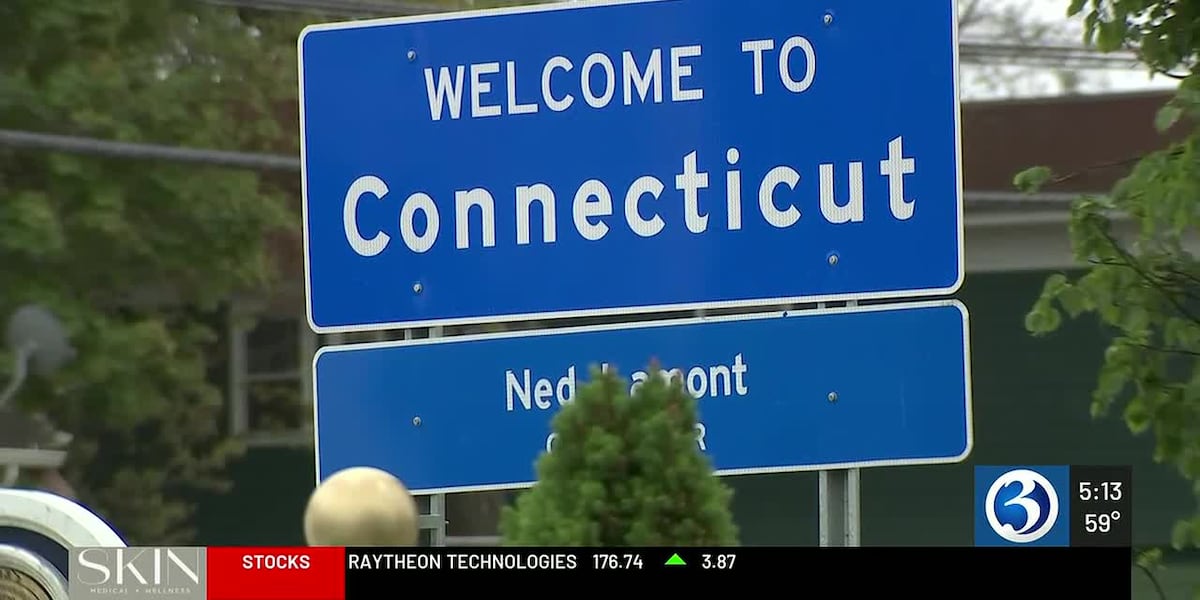
Why Connecticut Gas Prices Are Higher Than Massachusetts
Connecticut motorists are increasingly crossing the state border into Massachusetts to escape higher fuel costs. Driven by a combination of state-level taxes and delivery expenses, this pricing disparity is shifting consumer behavior and impacting local retail economies along the New England corridor, creating a systemic economic leak for Connecticut.
The commute is getting longer, not for work, but for fuel. This trend isn’t merely about a few cents per gallon; it is a manifestation of a broader economic phenomenon known as “border leakage.” When a significant portion of a state’s driving population chooses to spend their discretionary income in a neighboring jurisdiction, the ripple effect hits everything from local convenience store revenue to state tax coffers.
It is a frustrating reality for the average driver.
The price gap is not an accident of the free market, but rather a result of structural differences in how energy is taxed and transported across state lines. Michael Fox, representing the gasoline industry, points to a combination of taxes and delivery costs as the primary drivers pushing Connecticut’s prices above those in Massachusetts.
The Mechanics of the Price Gap
To understand why a driver in Enfield or Somers finds it more economical to fuel up in Massachusetts, one must seem at the layers of cost added to every gallon of gasoline. Fuel pricing is rarely a simple reflection of the global price of crude oil; instead, it is a stack of regional and state-specific additions.

- Taxation Structures: States employ different methods for generating revenue from fuel. Whereas some rely heavily on a flat excise tax per gallon, others implement gross earnings taxes that target the wholesalers and distributors. These costs are inevitably passed down to the consumer at the pump.
- Logistical Overheads: Delivery costs play a silent but pivotal role. The infrastructure used to move fuel—pipelines, terminals, and tanker trucks—varies by region. If Massachusetts has more efficient access to supply terminals or lower transportation overheads, those savings are reflected in the retail price.
- Retail Competition: The density of gas stations near the border creates a hyper-competitive environment. Massachusetts stations, knowing they can attract out-of-state drivers, may optimize their margins differently than stations located deeper within Connecticut.
This creates a scenario where Connecticut drivers are effectively subsidizing the Massachusetts retail economy.
For many households, the rising cost of transportation is a primary driver of financial stress. As fuel becomes a volatile expense, many are turning to certified financial planners to restructure their monthly budgets and mitigate the impact of regional price spikes.
The Economic Ripple Effect of Border Leakage
When a driver crosses the state line for gas, they aren’t just buying fuel. They are bypassing the convenience store, the car wash, and the local deli in their home town. This “leakage” drains revenue from small businesses that rely on the high-volume foot traffic generated by gas pumps.
Local station owners in Connecticut find themselves in an impossible position. They cannot easily lower their prices to compete with Massachusetts because their overhead—specifically the state-mandated taxes—remains fixed. This creates a competitive disadvantage that cannot be solved by better customer service or cleaner facilities.
“The disparity in fuel pricing creates an artificial economic border. We aren’t just seeing a shift in where people buy gas; we are seeing a shift in regional spending patterns that penalizes the local merchant who operates under a heavier tax burden.”
This systemic disadvantage often forces local business owners to seek professional guidance. Many are now consulting small business consultants to diversify their revenue streams, moving away from a reliance on fuel sales and toward higher-margin retail offerings to survive the exodus of customers.
Long-term Infrastructure and Policy Implications
The persistence of this price gap raises critical questions about state revenue models. If a significant percentage of the population avoids paying state fuel taxes by shopping across the border, the state may face a shortfall in funding for the very roads those drivers are using. This creates a paradoxical cycle: the taxes intended to maintain infrastructure drive drivers away, potentially leading to reduced funding for road repairs.
To understand the broader context of these fluctuations, motorists and policymakers often look to the U.S. Energy Information Administration (EIA), which tracks regional price differences and the factors contributing to them, such as supply disruptions and operating costs.
the legal complexity of state tax codes means that businesses often struggle to navigate the intersection of state and federal energy laws. Companies managing fleets across New England are increasingly hiring tax attorneys to optimize their fuel procurement strategies and ensure compliance with varying state mandates.
The situation is further complicated by the transition toward electric vehicles (EVs). As the state invests in charging infrastructure, the traditional fuel tax model is becoming obsolete, forcing a conversation about how to fund municipal roads without relying on the pump.
For more information on current state tax obligations, residents can visit the Connecticut Department of Revenue Services or the Massachusetts Department of Revenue to compare the statutory frameworks governing energy sales.
The price gap is a symptom of a larger misalignment between state policy and consumer behavior.
As long as the cost of crossing the border is lower than the cost of fueling at home, Connecticut drivers will continue to seek relief in Massachusetts. This trend serves as a stark reminder that in a globalized economy, even a state border is a porous membrane. The real challenge for policymakers is not just managing the price at the pump, but ensuring that the economic ecosystem of the state remains viable when the most basic commodity of modern life becomes a catalyst for flight.
Whether it is a shift in tax law or a logistical overhaul of fuel delivery, the solution requires more than just a temporary price drop. It requires a strategic realignment of how the state supports its energy infrastructure. For those caught in the middle—the business owners and the budget-conscious drivers—the only immediate solution is a map and a willingness to drive a few extra miles. To find the verified professionals and legal experts capable of navigating these complex regional economic shifts, the World Today News Directory remains the definitive resource for connecting citizens with the expertise they need.