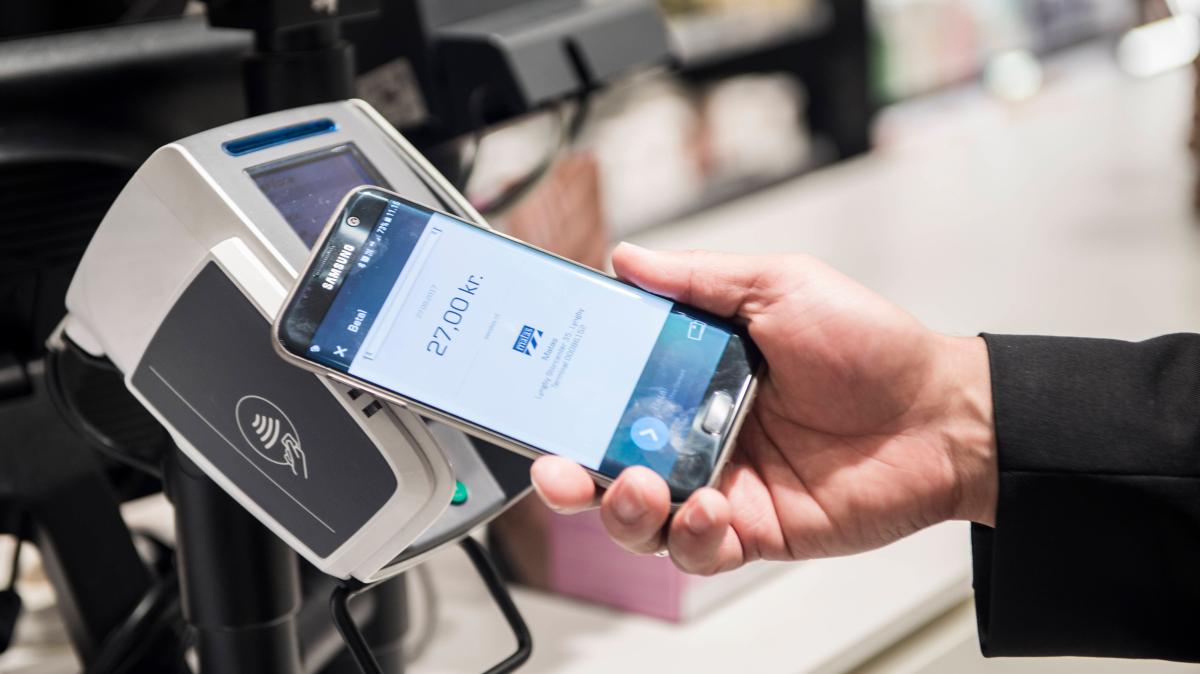
Why Cash Payments Earn Blank Stares in Denmark: Credit Cards & MobilePay Dominate
Denmark’s Cashless Transition Reshapes Consumer Behavior and Financial Infrastructure
Denmark’s shift toward a cashless society accelerates, with 272 million cash transactions recorded in 2023, reflecting a 40% decline since 2015. The transition challenges traditional payment systems, prompting firms to adapt to digital-first consumer expectations.
Financial Implications of a Cashless Society
Denmark’s Nationalbank analysis highlights that cash payments now constitute 12% of all retail transactions, down from 35% in 2010. This decline, driven by mobile payment adoption and digital banking, forces financial institutions to reevaluate transaction models. “Although the use of cash is declining, It’s still needed in society,” notes Christian Kettel Thomsen, Governor of Danmarks Nationalbank, underscoring the need for hybrid payment solutions.

The shift also impacts tiny businesses, which face higher fees for digital transactions. A 2023 survey by the Danish Business Authority found that 68% of micro-enterprises report margin compression due to processing costs, prompting calls for regulatory intervention. Compliance consultants are increasingly advising firms on cost-optimization strategies for digital payment ecosystems.
Consumer Behavior and Technological Adoption
MobilePay, Denmark’s dominant digital wallet, processes over 75% of non-cash transactions, according to Nationalbanken data. This dominance raises antitrust concerns, with the European Commission launching an investigation into potential market concentration in 2025. “The lack of competition risks stifling innovation,” warns EU Commissioner for Competition, Margrethe Vestager.
For travelers, the cashless trend creates friction. As reported by SHZ, tourists who attempt to pay with cash in 2026 often face confusion or refusal, reflecting a cultural shift toward digital-first commerce. This dynamic pressures travel technology firms to integrate seamless cross-border payment solutions.
Structural Challenges and B2B Opportunities
The transition exposes vulnerabilities in Denmark’s financial infrastructure. Rural areas, where 22% of the population lacks reliable internet access, struggle with digital payment adoption. This disparity has spurred demand for telecom infrastructure providers to expand broadband coverage, with Ericsson securing a €150 million contract in 2025 to upgrade rural networks.
Meanwhile, fintech startups are capitalizing on the gap. Companies like Nets and Nets A/S have launched low-cost payment gateways for SMEs, capturing 30% of the market in 2026. “The cashless shift isn’t just a trend—it’s a structural reset,” says CEO of Nets, Lars Malmros. “Firms that fail to adapt risk obsolescence.”
Looking Ahead: The Road to Full Digitization
As Denmark approaches full digitization, the focus shifts to financial inclusion. The Nationalbank warns