Why Biodiversity Targets Are Failing: Global Finance Rewards Nature Destruction Over Protection
Global Financial Systems Spend Thirty Dollars Destroying Nature for Every One Invested
Four years after the adoption of the Kunming-Montreal Global Biodiversity Framework in Montreal, the first official implementation assessment delivered dismal marks at October’s UN Biodiversity Conference (COP17) in Yerevan. The State of Biodiversity Action report reveals that fewer than half of the assessed targets are on track to be met by 2030, despite nearly 90% of countries setting goals to protect 30% of land and sea areas, restore 30% of degraded ecosystems, and halt human-caused extinctions, project-syndicate.org reported.
UN Secretary-General António Guterres called the gathering a moment of accountability. Yet financial analysts point out that governments are not simply indifferent to ecological collapse. Instead, global economic structures actively reward environmental destruction while penalizing conservation efforts. Data from the United Nations Environment Programme shows that in 2023, approximately $7.3 trillion flowed into activities that directly harmed nature. That sum represents roughly 7% of world GDP, meaning $30 was spent on destruction for every single dollar invested in protection.
Closing the Finance Gap and Commodity Supply Chain Pressures
The Kunming-Montreal framework requires closing an annual $700 billion biodiversity finance gap. This target depends on reducing nature-harming subsidies by $500 billion each year alongside mobilizing $200 billion in incremental finance, including $30 billion from external official sources. More than half of those funds must go toward sustainable management practices for forests, rangelands, fisheries, and farmland. The remainder targets ecosystem preservation and restoration.

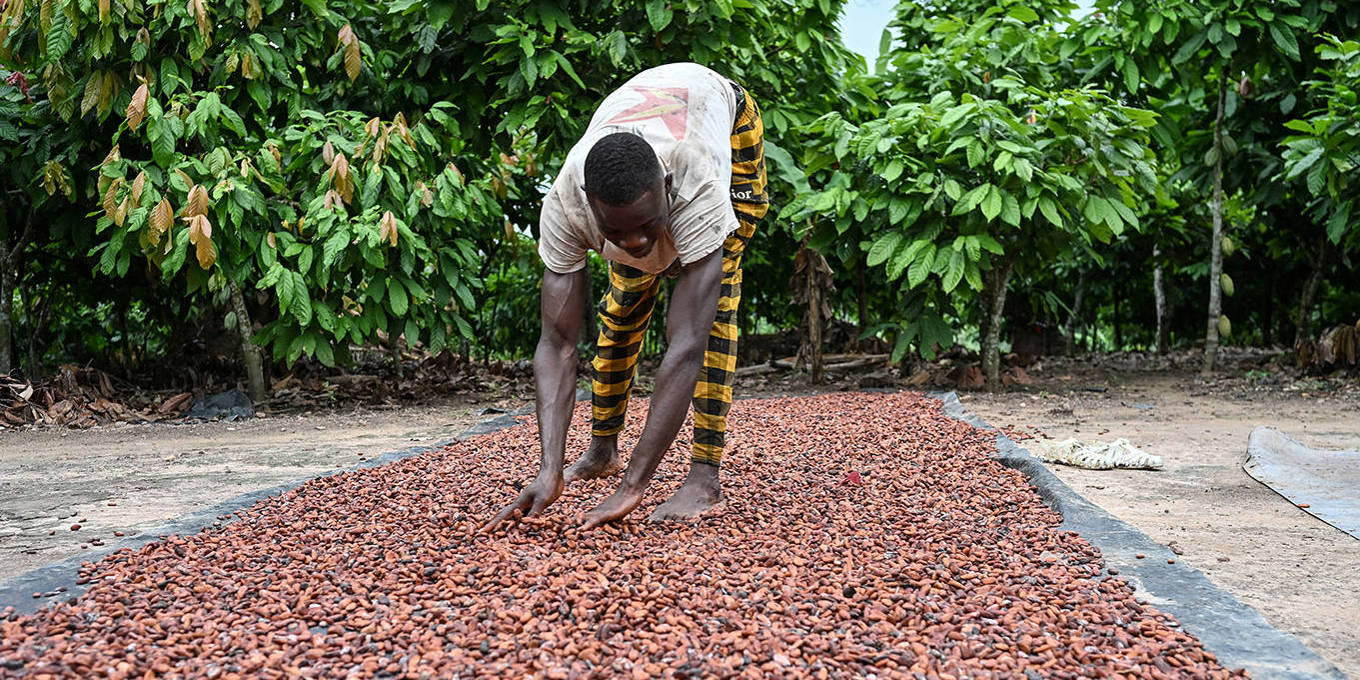
In commodity supply chains, the pressure is mounting for smallholder farmers. Côte d’Ivoire and Ghana produce nearly two-thirds of the world’s cocoa, almost entirely through small farms. Research highlighted by Frontiers in Sustainable Food Systems indicates that 73–90% of cocoa-producing households in these regions earn minimal income. Unable to afford the fertilizer and weed-control costs required to replant aging trees, farmers clear new plots in nearby forests where planting is cheaper.
The European Union imports roughly 58% of the world’s cocoa beans and applies its Deforestation Regulation to large operators, making access to European markets conditional on deforestation-free supply chains. Analysts suggest that major commodity traders must finance replanting and traceability initiatives directly to help smallholders meet these standards.
Servicing External Debt in Resource-Dependent Developing Nations
The underinvestment crisis hits resource-dependent developing nations with limited fiscal space particularly hard. Countries like Indonesia, Brazil, Peru, Zambia, Ecuador, the Philippines, and Mozambique rely heavily on extractive activities such as mining, logging, and plantation agriculture to generate foreign exchange. Much of this revenue goes toward servicing external debt, leaving ecosystems degraded and populations vulnerable to climate disasters. Credit-rating agencies frequently downgrade these nations due to slower growth risks, without accounting for the economic benefits of building resilience against environmental shocks.
Environmental crime adds another layer of fiscal strain, generating immense sums annually through illegal logging, wildlife trafficking, mining, and fishing. Law enforcement agencies face significant challenges tracking these illicit flows, which are often laundered alongside narcotics proceeds. Experts emphasize that asset recovery and enforcement efforts must target structural chokepoints—such as mills, refineries, ports, and financial institutions—rather than low-level actors, while securing land rights for Indigenous peoples and local communities.