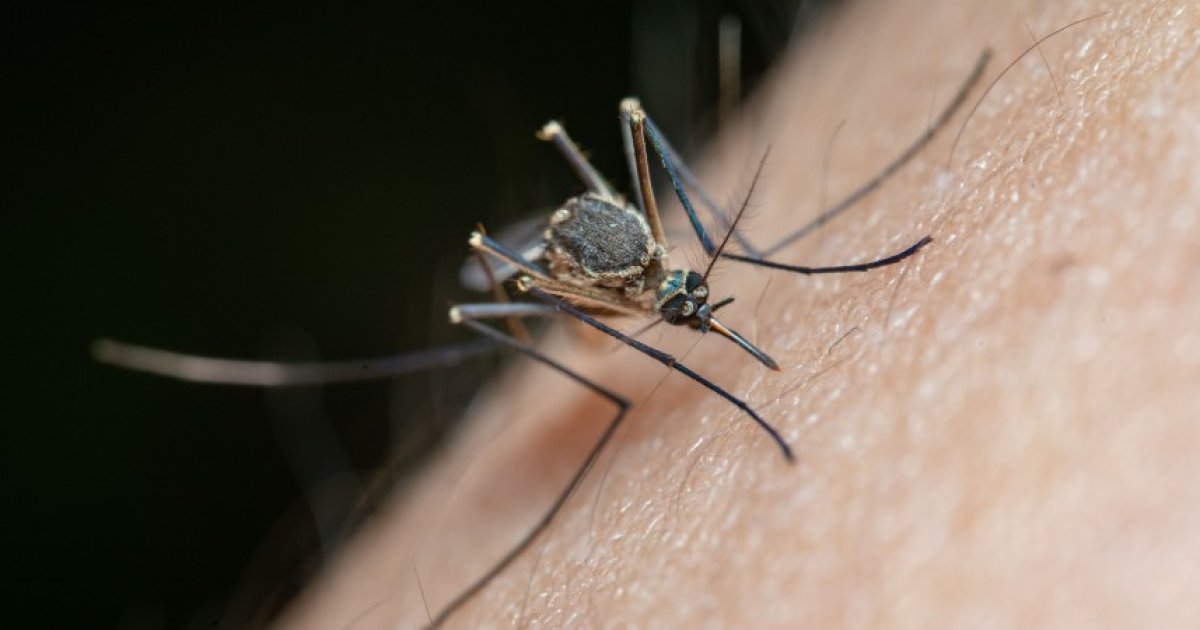
Why Are There Fewer Mosquitoes This Summer 2026?
The observed reduction in mosquito populations across several European regions during the summer of 2026 is primarily attributed to specific meteorological anomalies, including prolonged dry spells and erratic humidity patterns that disrupt the aquatic larval development cycle. Entomological monitoring confirms that these environmental stressors have significantly limited the breeding success of Aedes albopictus and Culex pipiens, the primary vectors for arboviral transmission in temperate zones.
Key Clinical Takeaways:
- Mosquito population density is heavily contingent upon the synchronization of rainfall and temperature; localized droughts in 2026 have effectively desiccated traditional breeding grounds.
- Despite lower current counts, public health vigilance remains critical as stagnant water in urban environments can still facilitate rapid, localized population spikes.
- Clinical risk for mosquito-borne illnesses, such as West Nile Virus or Dengue, persists; patients presenting with unexplained febrile illness should seek diagnostic evaluation from a qualified infectious disease specialist.
Environmental Determinants of Vector Suppression
The lifecycle of the mosquito—spanning egg, larva, pupa, and imago stages—requires stable, stagnant water reservoirs. According to longitudinal data from the World Health Organization (WHO), the pathogenesis of vector-borne disease outbreaks is tightly linked to the “extrinsic incubation period,” which is temperature-dependent. The current summer season has seen high-pressure systems move across the continent, creating arid conditions that prevent the formation of the ephemeral pools necessary for the Aedes species to complete their developmental metamorphosis.
Biological monitoring teams, often funded by regional public health grants or university-led epidemiological research, indicate that the absence of heavy, consistent rainfall has created a “bottleneck” effect. When larval habitats dry out, the total biomass of emerging adults decreases proportionally. This phenomenon is not uniform; it is highly localized. Urban areas with poor drainage or persistent irrigation practices remain at higher risk for residual clusters, regardless of the broader regional decline.
Epidemiological Implications and Public Health Vigilance
While the reduction in active mosquito counts is statistically significant compared to the 2024 and 2025 seasons, it does not imply a total elimination of risk. Dr. Elena Rossi, an entomologist specializing in vector ecology, notes that “a lower population density does not equate to the absence of transmission, as even a small number of infected vectors can initiate localized clusters if the human-to-mosquito contact rate is high.”
The standard of care for managing potential exposure relies on early diagnostic intervention. Patients exhibiting symptoms such as high fever, rash, or severe joint pain—common indicators of arboviral infection—should prioritize clinical consultation. For those in high-risk zones, engaging with a board-certified internal medicine practitioner or a clinical laboratory for rapid serological testing is the appropriate pathway to rule out underlying morbidity. Practitioners are currently advised to maintain a high index of clinical suspicion for West Nile Virus (WNV), which is frequently monitored via the European Centre for Disease Prevention and Control (ECDC) surveillance protocols.
Clinical Triage and Diagnostic Readiness
The shift in mosquito population dynamics necessitates a recalibration of diagnostic screening for primary care facilities. When local vectors are suppressed, clinicians may inadvertently overlook the possibility of travel-acquired infections or sporadic cases stemming from micro-habitats. Ensuring that diagnostic pathways remain robust is essential to maintaining public health safety standards.
Healthcare providers managing patient populations in areas prone to seasonal outbreaks are encouraged to audit their current reporting procedures. Organizations requiring assistance in navigating these shifts in epidemiological risk can consult with specialized healthcare compliance consultants to ensure that their patient triage protocols remain aligned with current international health guidelines. By maintaining rigorous surveillance and prompt diagnostic testing, the clinical community can mitigate the long-term impact of even low-level vector activity.
The future trajectory of vector control involves advanced genetic monitoring and climate-modeling integration. As clinical research continues to provide data on the correlation between climate volatility and vector behavior, the medical community must adapt its preventative strategies to focus on precision mapping of high-risk zones rather than generalized regional management.
Disclaimer: The information provided in this article is for educational and scientific communication purposes only and does not constitute medical advice. Always consult with a qualified healthcare provider regarding any medical condition, diagnosis, or treatment plan.
Related reading
- Perioperative Ketamine for Orthopedic Surgery: Opioid-Sparing Effects and Analgesic Benefits
- Ready-to-Use Immunotherapy Destroys Endometrial Cancer in Preclinical Trials
- Best Day-to-Night Summer Dress Trends (archyde.com)
- The dress trend we’re wearing from day to night this summer – vogueadria.com (newsdirectory3.com)