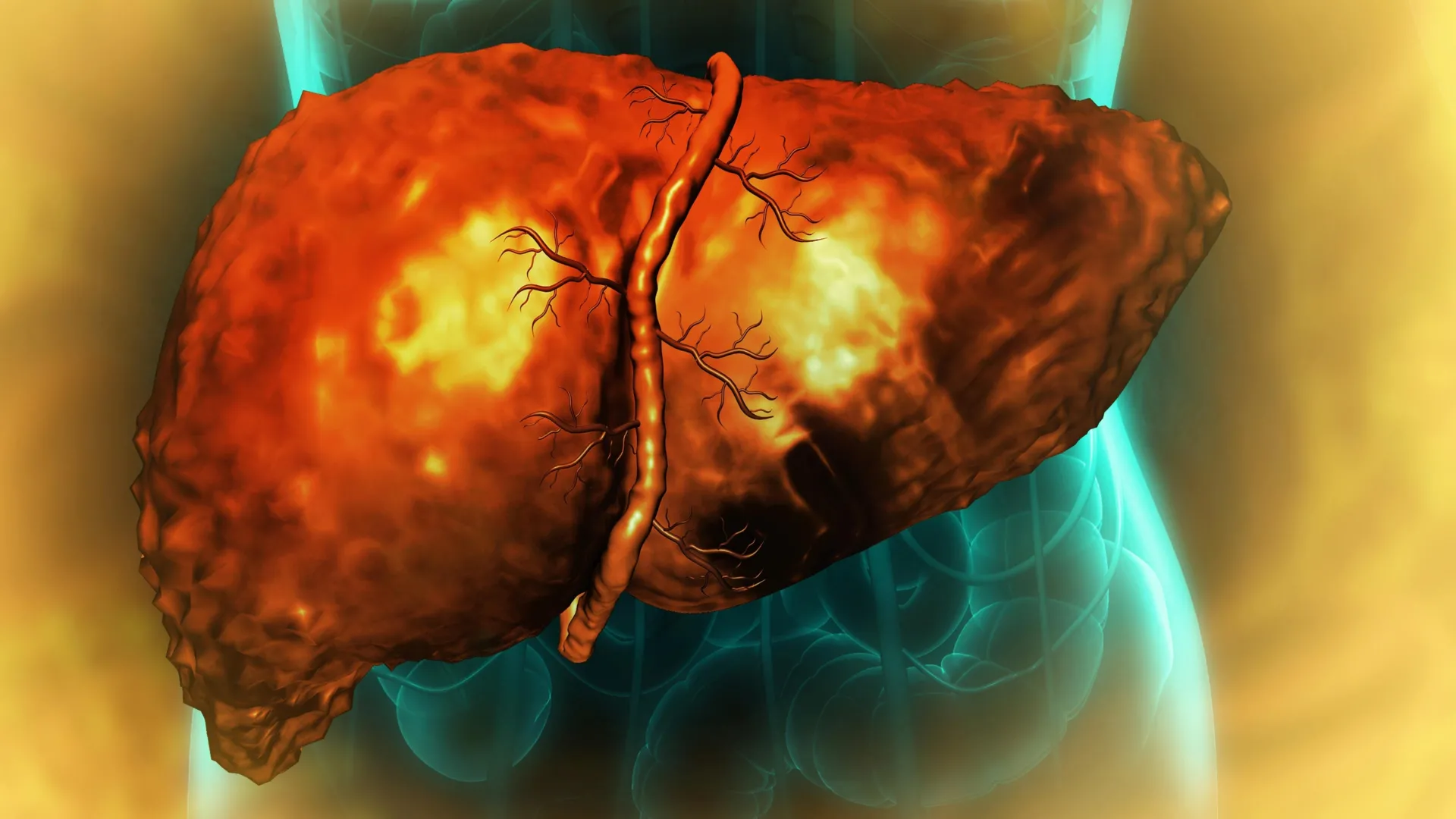
Why Alcohol Blocks Liver Regeneration Even After Quitting
Why Alcohol-Associated Liver Disease Stalls Cellular Regeneration
Heavy alcohol consumption disrupts the liver’s natural ability to repair itself by interfering with RNA splicing during protein production, leaving cells trapped in an unproductive limbo state even after drinking has ceased, according to a collaborative study published in Nature Communications by researchers at the University of Illinois Urbana-Champaign, Duke University, and the Chan Zuckerberg Biohub Chicago.
The Tech TL;DR:
- The Core Mechanism: Alcohol damage alters RNA splicing, locking hepatocytes in an intermediate transitional phase rather than allowing full maturation or proliferation.
- Clinical Impact: This stalled cellular state accounts for why liver failure and alcoholic hepatitis persist long after patients stop drinking, frequently necessitating transplants.
- Future Interventions: Researchers have identified RNA-splicing regulators like ESRP2 as primary targets for pharmacological intervention to restore tissue regeneration.
The Molecular Bottleneck in Hepatocyte Reprogramming
Under normal physiological conditions, the human liver demonstrates a robust capacity to regenerate following acute injury or partial surgical resection. Healthy liver cells execute this by reprogramming gene expression, dropping back into a fetal-like progenitor state to multiply before transitioning back into fully mature, functional hepatocytes. However, chronic alcohol exposure short-circuits this pipeline. According to University of Illinois biochemistry professor Auinash Kalsotra, who co-led the study alongside Duke University School of Medicine professor Anna Mae Diehl, medical science previously lacked a mechanistic explanation for why livers fail to recover in patients with alcohol-associated hepatitis and cirrhosis once abstinence begins.
To pinpoint the breakdown, the research team analyzed liver tissue samples obtained from Johns Hopkins University Hospital via an initiative supported by the National Institute for Alcohol Abuse and Alcoholism, a division of the National Institutes of Health. Microscopy and transcriptomic profiling revealed that damaged cells initiate the regression toward a regenerative state but fail to finish the transition. Instead, they freeze in an intermediate zone. “They are neither functional adult cells nor proliferative progenitor cells,” noted University of Illinois graduate students and co-first authors Ullas Chembazhi and Sushant Bangru. Because these trapped cells cannot perform metabolic functions, mechanical and biochemical stress mounts on the remaining viable tissue, driving the organ toward total failure.
RNA Splicing Disruption and the ESRP2 Target
Investigating the underlying transcriptional machinery, the team discovered that inflammation caused by long-term alcohol exposure severely disrupts RNA splicing—the essential cellular process where precursor messenger RNA is tailored into functional transcripts for protein synthesis. This spliceosome disruption prevents the execution of downstream programs required to clear the progenitor phase. Pinpointing this fault line opens new vectors for therapeutics. Investigators suggest that targeting specific molecular regulators of splicing, such as epithelial splicing regulatory protein 2 (ESRP2), could artificially force trapped cells out of their stalled state and complete the regenerative cycle.
Diagnostic Implications and Clinical Infrastructure
With alcohol-associated liver disease ranking as a leading cause of liver-related mortality globally and accounting for approximately 3 million deaths annually, identifying the precise molecular brake on regeneration shifts the clinical horizon away from palliative observation toward targeted molecular correction. Current treatment pathways for end-stage failure remain strictly limited to organ transplantation. By mapping how inflammation permanently alters splicing fidelity, researchers have established a concrete blueprint for pharmaceutical development aimed at reversing structural liver damage.
Future Trajectories in Regenerative Medicine
As the scientific consensus shifts toward addressing post-cessation liver stagnation at the transcriptomic level, the bottleneck moves from discovery to drug delivery. Designing small molecules or RNA therapeutics that can safely reset splicing factor expression inside human hepatic tissue remains the next major hurdle for translational researchers. Unlocking this capability will transform clinical hepatology, turning an irreversible terminal diagnosis into a manageable, reversible condition.