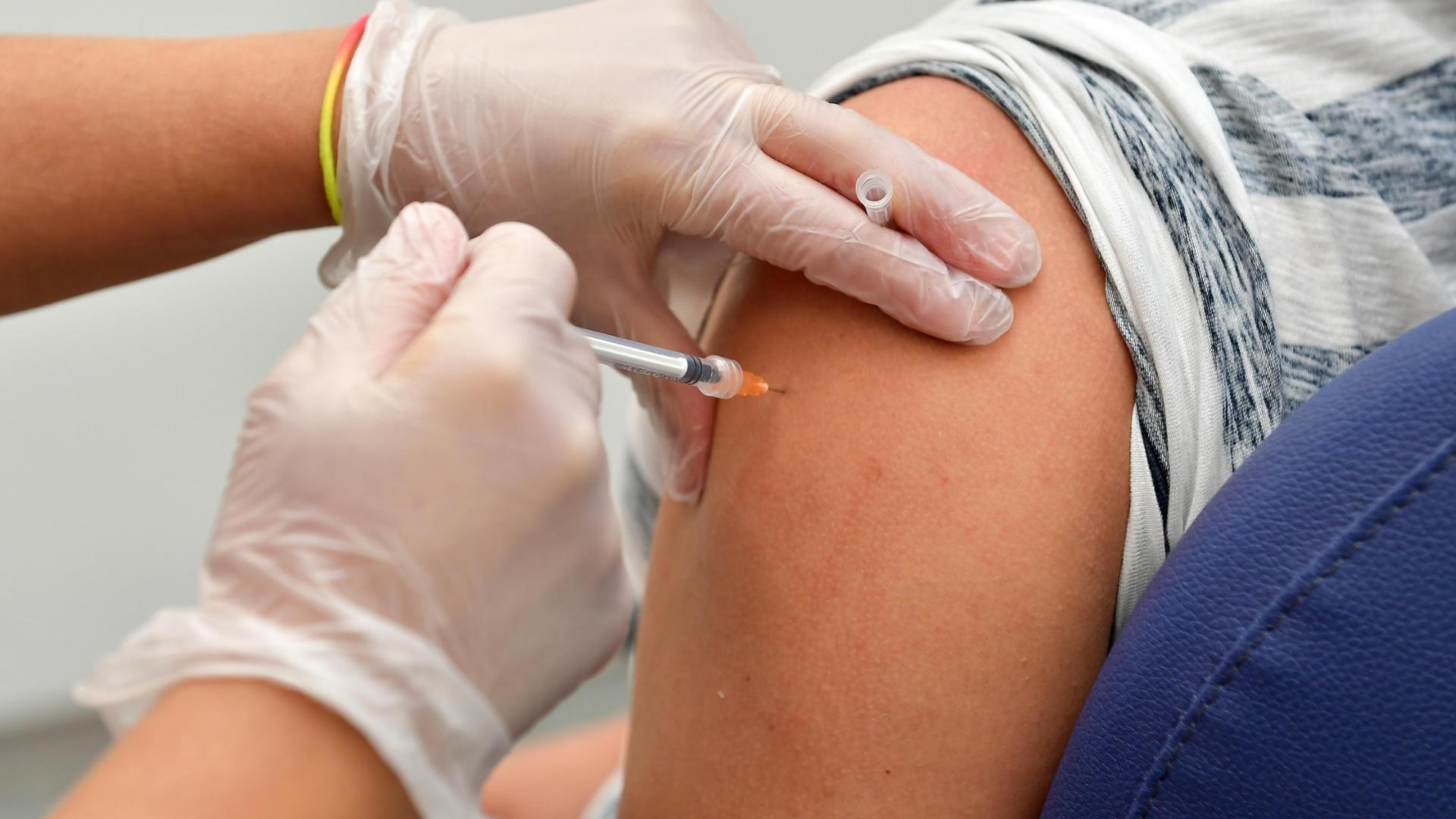
Whooping Cough Surge in Piedmont: Vaccination Week Begins
A surge of pertussis—commonly known as whooping cough—is currently challenging the public health infrastructure in the Piedmont region of Italy. As health authorities initiate a targeted “vaccination week,” the escalation highlights a critical vulnerability in community immunity and the cyclical nature of respiratory pathogens.
Key Clinical Takeaways:
- Resurgence: A significant spike in pertussis cases in Piedmont is driving urgent regional vaccination campaigns to prevent widespread outbreaks.
- Pathogenesis: The infection is caused by Bordetella pertussis, which targets the respiratory cilia, leading to severe coughing fits and potential hypoxia.
- Prevention: Booster doses and maternal immunization are the primary defenses against morbidity, particularly in neonates and elderly populations.
The current alarm in Piedmont is not an isolated incident but part of a broader global trend of pertussis resurgence. This phenomenon is often attributed to the waning immunity provided by acellular vaccines (aP) compared to the older whole-cell vaccines (wP). While acellular vaccines have a superior safety profile and fewer contraindications, the duration of protection is shorter, creating a “clinical gap” where individuals develop into susceptible several years after their primary series. For parents and caregivers, this means that the standard of care must evolve from a childhood-only focus to a lifelong maintenance of immunity.
The Epidemiological Vector and Community Transmission
Pertussis is characterized by its high infectivity and a prolonged incubation period, making it an insidious threat in densely populated urban centers. The pathogen, Bordetella pertussis, adheres to the ciliated epithelial cells of the respiratory tract, releasing toxins that paralyze the cilia and cause intense inflammation. This leads to the hallmark paroxysmal cough, which can be fatal in infants who have not yet completed their primary vaccination series.

“The resurgence of pertussis underscores the ‘immunity gap’ created by waning vaccine efficacy over time. We are seeing a shift where adolescents and adults act as asymptomatic reservoirs, unknowingly transmitting the bacteria to vulnerable infants,” states Dr. Elena Rossi, an infectious disease specialist and epidemiologist.
According to the World Health Organization (WHO), pertussis remains a significant cause of morbidity globally. The current outbreak in Piedmont reflects a failure in the “cocooning” strategy—the practice of vaccinating all close contacts of a newborn to create a protective shield. When adult booster rates drop, the shield collapses, leaving the most fragile patients at risk of severe respiratory distress.
Clinical Triage and Diagnostic Imperatives
Identifying pertussis in the early “catarrhal” stage is notoriously difficult, as symptoms mimic a common cold. However, as the disease progresses to the paroxysmal stage, the clinical presentation becomes distinct. For clinicians, the challenge lies in the timing of the diagnostic test; polymerase chain reaction (PCR) tests are most sensitive in the first two weeks of cough, while cultures may yield false negatives if the patient has already started antibiotics.
Given the rise in cases, immediate clinical triage is essential. Patients presenting with persistent, violent coughing fits should avoid self-medication with over-the-counter suppressants, which can mask symptoms and delay proper diagnosis. We see imperative to consult with board-certified pediatricians or pulmonologists to ensure an accurate differential diagnosis and to initiate macrolide antibiotic therapy, which, while not curing the cough, significantly reduces the period of communicability.
From a B2B perspective, the sudden demand for vaccines and diagnostic kits in the Piedmont region puts immense pressure on the medical supply chain. Healthcare facilities and regional clinics are currently auditing their inventories to avoid stockouts. To manage these logistical hurdles and ensure regulatory compliance with EU health mandates, many regional health boards are engaging healthcare compliance attorneys to streamline emergency procurement contracts.
Vaccine Efficacy and the Path Toward Next-Generation Immunization
The current vaccination drive in Italy relies on the acellular pertussis vaccine. While these are the gold standard, the medical community is actively researching more durable alternatives. Much of the current research into “next-generation” pertussis vaccines is funded by public-private partnerships and government grants, such as those from the National Institutes of Health (NIH) and the European Medicines Agency (EMA) frameworks, aiming to develop vaccines that provide longer-lasting T-cell mediated immunity.
The biological mechanism of the acellular vaccine focuses on specific purified proteins (like pertussis toxin and filamentous hemagglutinin). While this reduces the risk of adverse reactions, it does not stimulate the immune system as broadly as the whole-cell version did. This creates a window of susceptibility that the current Piedmont outbreak is exploiting. The clinical goal is now to shift toward a “life-course” vaccination schedule, where boosters are administered every 10 years, similar to the tetanus protocol.
“We must move beyond the mindset that pertussis is a childhood disease. The data clearly shows that adult boosters are the only way to break the chain of transmission and protect the neonatal population,” notes Dr. Julian Thorne, a lead researcher in vaccine immunology.
For those managing chronic respiratory conditions or immunocompromised states, the risk of pertussis-induced pneumonia is significantly higher. In these cases, a multidisciplinary approach is required. Patients should coordinate care through internal medicine specialists to balance the necessity of vaccination with their specific contraindications and overall health profile.
The Future of Respiratory Surveillance
The alarm in Piedmont serves as a sentinel event, signaling that our current vaccination strategies may require a fundamental overhaul. The integration of real-time genomic sequencing of Bordetella pertussis strains, as tracked by portals like PubMed and other peer-reviewed epidemiological databases, allows scientists to monitor if the bacteria are evolving to evade current vaccines.
As we move forward, the focus must remain on high-coverage maternal immunization during the third trimester, which allows the transfer of antibodies across the placenta, providing the infant with critical protection until they can be vaccinated. This strategy, combined with aggressive adult booster campaigns, represents the most viable path to ending the cycle of outbreaks.
The volatility of these outbreaks underscores the importance of maintaining a direct connection with vetted medical professionals. Whether you are a parent seeking the safest vaccination schedule for your child or a healthcare administrator optimizing clinic workflows, accessing a network of qualified experts is the only way to mitigate risk in an era of resurging infectious diseases. We encourage all readers to utilize our directory to find certified specialists who can provide personalized, evidence-based care.
Disclaimer: The information provided in this article is for educational and scientific communication purposes only and does not constitute medical advice. Always consult with a qualified healthcare provider regarding any medical condition, diagnosis, or treatment plan.