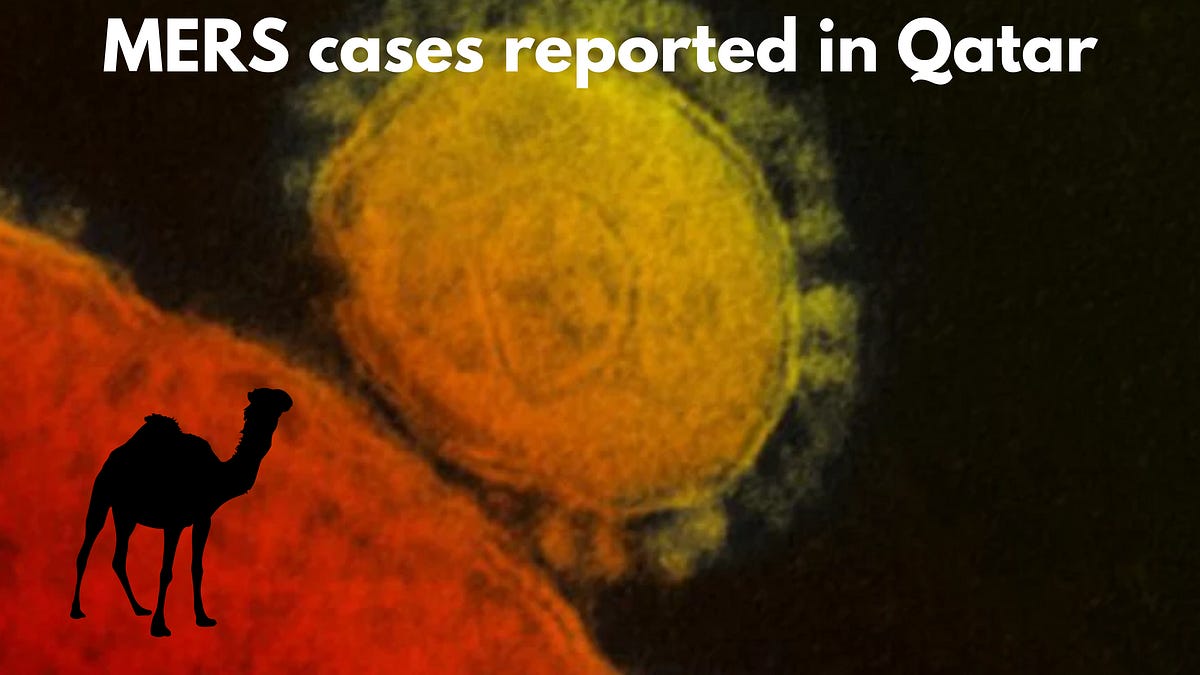
WHO Reports First MERS Cases in Qatar Since 2022
Dromedary camels in Qatar have become the source of two confirmed Middle East respiratory syndrome cases reported following notification on October 29, marking the country’s first infections since 2022.
- Qatar notified the World Health Organization of two laboratory-confirmed MERS cases on October 29, 2026.
- Both male patients were over 50 years old, possessed underlying chronic medical conditions, and had documented occupational exposure to dromedary camels.
- A combined total of 99 contacts were identified, tested, and monitored for 14 days, resulting in zero secondary transmissions.
The first patient was a man over 50 years old with chronic medical conditions who worked with dromedary camels. Outbreak News Today reported that he developed symptoms on July 22, 2026, and entered a hospital on July 25. Initial upper-respiratory tract testing using real-time reverse transcription-polymerase chain reaction returned negative results for MERS-CoV.
A subsequent lower-respiratory tract specimen tested positive, confirming the infection on August 5. He reported longstanding occupational exposure to dromedary camels during the 14 days before falling ill, though he consumed no raw milk and traveled nowhere.
The second patient, also a man over 50 with underlying chronic health issues, worked in camel breeding and rearing. He developed symptoms on August 23, 2026, and two nasopharyngeal specimens confirmed the virus via RT-PCR on August 25.
He reported direct care duties for recently ill young camels and the consumption of raw camel milk during the fortnight before symptom onset. This patient developed severe MERS-CoV pneumonia complicated by acute hypoxemic respiratory failure, requiring high-flow nasal oxygen and non-invasive ventilatory support. Both individuals eventually recovered and received hospital discharges following consecutive negative PCR test results.

Public health authorities identified 73 contacts linked to the first patient, consisting of 11 close contacts and 62 healthcare workers. Avian Flu Diary said that a total of 99 contacts from both cases combined underwent testing and 14-day monitoring. All individuals tested negative for MERS-CoV, and investigators found no secondary cases.
The second patient generated 26 contacts, including four close contacts and 22 healthcare workers. One high-risk healthcare worker developed respiratory symptoms but tested negative across two separate specimens. Investigators determined that the two patients worked at geographically separate camel farms with no epidemiological link connecting them.
The patterns reflect sporadic zoonotic transmission rather than human-to-human spread. MERS-CoV continues to circulate and evolve in dromedary camels across the Middle East and Africa.
Middle East respiratory syndrome is a viral respiratory illness carrying a fatality rate around 36%, though public health agencies note this figure may overestimate the true mortality because milder, asymptomatic cases frequently escape detection.
Clinical presentations range from asymptomatic infections to severe respiratory distress, pneumonia, and multi-organ failure. Older adults, immunocompromised individuals, and patients with chronic ailments such as diabetes, renal disease, cancer, or chronic lung disorders face markedly elevated risks of severe clinical outcomes.
Supportive care remains the standard treatment approach, as no approved vaccine or specific antiviral therapy currently exists for MERS-CoV, though several candidates remain in various stages of development. Public health officials advise individuals with underlying chronic conditions or occupational exposure to camels to maintain strict hygiene measures, such as avoiding raw camel milk and utilizing appropriate personal protective equipment when handling potentially infected livestock.
Disclaimer: The information provided in this article is for educational and scientific communication purposes only and does not constitute medical advice. Always consult with a qualified healthcare provider regarding any medical condition, diagnosis, or treatment plan.