Who Owns AI Characters? The Legal Battle Over Brainrot and Copyright
The conflict centers on whether internet memes generated through AI prompts can be copyrighted, pitting major gaming platforms against independent digital creators and raising critical questions about who ultimately owns the rights to viral internet culture.
The Origins of the Fortnite Character Dispute
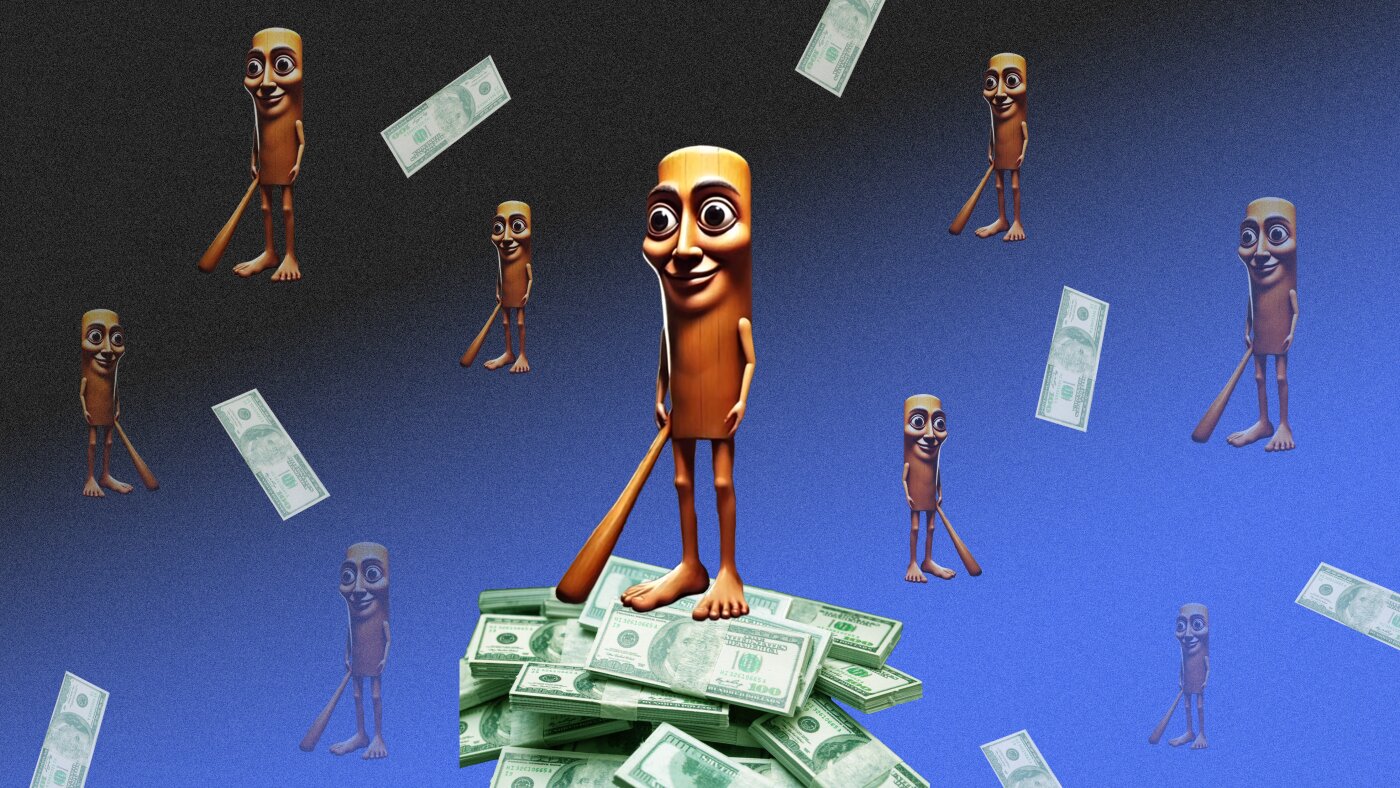
The controversy began on April 1, 2026, when Epic Games launched in-game character skins based on viral internet figures known as Tung Tung Tung Sahar and Ballerina Cappuccina, according to reporting by Jim Louderback in his creator economy newsletter. Epic Games licensed the character Tung Tung from a French firm named Mementum Labs. Mementum reportedly secured the rights from an Indonesian TikToker operating under the handle Noxa, who claims to have authored the characters using specific text prompts infused with cultural references.
However, competing claims quickly surfaced. SpyderGames, a separate entity that utilized the same characters within Roblox starting in October 2025, contested the ownership narrative. According to industry analyses, the core legal question revolves around whether typing a prompt that sparks a viral internet meme constitutes true authorship, or if the resulting character is merely a product of collective internet curation.
Copyright Law and the Gray Area of AI Prompts
Current legal precedent dictates that purely AI-generated art lacks copyright eligibility. Yet, the intersection of human-conceived work built using artificial intelligence remains an uncharted gray area in intellectual property law. Diana Williams, a veteran of big-media intellectual property cited by Louderback, compared the public reaction to LeBron James attempting to trademark the phrase “Taco Tuesday.” Williams noted that public perception often views AI-generated characters as being built on questionable foundations, emphasizing that the courts urgently need to define the exact threshold of human input required to grant a copyright designation.

Millions of dollars in digital skin revenue hang in the balance. By licensing these characters, Epic Games has taken a calculated risk. If Mementum Labs successfully defends its ownership, internet “brainrot” memes could transition into protected corporate assets comparable to traditional cartoon characters like SpongeBob SquarePants or Donald Duck. Conversely, an adverse ruling would cement these characters in the public domain, leaving Epic’s monetization strategy vulnerable to challenges regarding unauthorized use.
Navigating Intellectual Property and Digital Assets
As software giants and individual creators alike push the boundaries of synthetic media, securing proper counsel is essential for shielding digital assets against sudden ownership claims.
The Broader Industry Impact
The outcome of this legal battle will likely shape creator economies across multiple gaming and social platforms. As technology continues to outpace legislative frameworks, creators building in and around community-generated worlds face mounting uncertainty. Creators venturing into AI-assisted media are strongly advised to keep copyright law specialists on hand to navigate the rapidly shifting landscape of digital property rights.