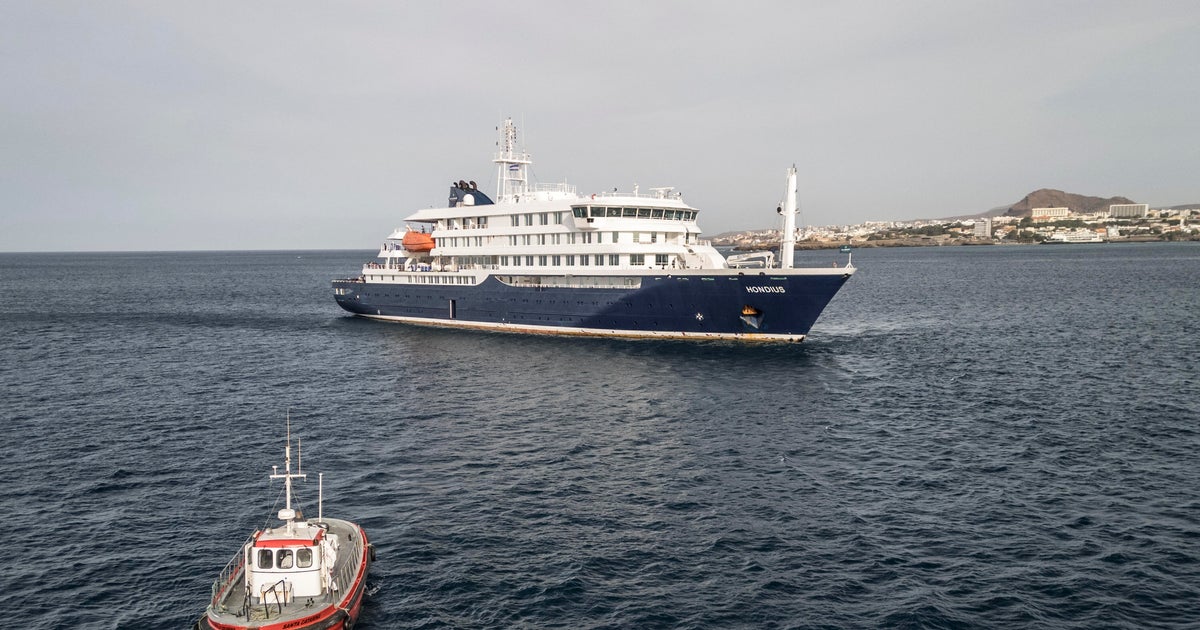
WHO Oversees Evacuation After Hantavirus Outbreak on Cruise Ship
World Health Organization Director-General Dr. Tedros Adhanom Ghebreyesus has arrived in Tenerife to lead the high-stakes evacuation of the MV Hondius, a Dutch-flagged cruise ship currently grappling with a deadly hantavirus outbreak. The intervention underscores the critical need for rapid containment of zoonotic pathogens in the context of global tourism.
Key Clinical Takeaways:
- The MV Hondius outbreak has resulted in eight confirmed or suspected hantavirus cases and three fatalities among the 147 passengers and crew.
- WHO leadership has explicitly clarified that hantavirus is not COVID-19, emphasizing a low risk of transmission to the general local population in the Canary Islands.
- Evacuation protocols involve specialized transport, including U.S. Government flights transporting 17 American citizens directly to the National Quarantine Center at the University of Nebraska, Omaha.
The sudden emergence of hantavirus on a commercial vessel presents a complex epidemiological challenge. Unlike respiratory viruses that facilitate rapid human-to-human transmission, hantaviruses are zoonotic, typically transmitted to humans through the inhalation of aerosolized viral particles from the saliva, urine, or feces of infected rodents. When these pathogens enter a confined environment like a cruise ship, the primary clinical concern shifts from community spread to the identification of the environmental vector and the aggressive management of severe pulmonary or renal distress.
The Pathogenesis of Hantavirus and Clinical Manifestations
To understand the gravity of the MV Hondius situation, one must examine the biological mechanism of the virus. Hantaviruses primarily cause two distinct clinical syndromes: Hantavirus Pulmonary Syndrome (HPS) and Hemorrhagic Fever with Renal Syndrome (HFRS). In the case of HPS, the virus targets the vascular endothelium, leading to increased capillary permeability. This results in a rapid onset of pulmonary edema, where the lungs fill with fluid, causing severe respiratory failure and hemodynamic instability.
The morbidity associated with HPS is significant, often requiring immediate mechanical ventilation and intensive hemodynamic support. Because there is currently no widely available vaccine or specific antiviral therapy approved as the standard of care, treatment remains purely supportive. For clinicians managing these patients, the window for intervention is narrow; early recognition of the prodromal phase—characterized by fever, myalgia and fatigue—is essential to prevent rapid progression to cardiogenic shock.
“The clinical trajectory of hantavirus is often deceptive. Patients may appear mildly ill before a precipitous collapse into respiratory failure. The priority in these cruise ship scenarios is not just the evacuation, but the immediate triage into high-acuity settings where extracorporeal membrane oxygenation (ECMO) may be required,” says Dr. Elena Rossi, a senior epidemiologist specializing in zoonotic spillover.
Given the severity of the respiratory collapse associated with this pathogen, patients exhibiting early signs of pulmonary distress must be transitioned to specialized care. It is imperative that healthcare facilities engage board-certified pulmonologists and critical care specialists to manage the complex fluid dynamics and oxygenation requirements of HPS victims.
Containment Logistics and Global Health Coordination
The evacuation of the MV Hondius is a masterpiece of clinical logistics. Dr. Tedros confirmed the deployment of ten evacuation flights: six destined for EU member states and four for non-EU countries. This stratified approach ensures that passengers are returned to their respective national health jurisdictions while maintaining strict quarantine protocols to prevent any potential, albeit rare, secondary transmission. The U.S. Government’s decision to transport 17 Americans to the University of Nebraska, Omaha—under the oversight of the Centers for Disease Control and Prevention (CDC)—highlights the reliance on specialized biocontainment facilities for high-mortality zoonotic events.
This level of coordination is necessary because the psychological trauma of the 2020 pandemic remains a significant public health hurdle. Dr. Tedros addressed this directly, noting that while the “trauma is still in our minds,” the nature of hantavirus is fundamentally different from the coronavirus. The lack of efficient human-to-human transmission means the risk to the residents of Tenerife remains low, provided the environmental source of the virus is contained.
From a regulatory standpoint, the intersection of maritime law and international health regulations creates a precarious environment for cruise operators. The hesitation among locals to consider cruises following this outbreak suggests a looming crisis of confidence in maritime health protocols. To mitigate these risks, cruise lines and travel operators are increasingly retaining healthcare compliance attorneys to audit their sanitation and vector-control protocols against the latest World Health Organization guidelines.
Environmental Drivers and the Rise of Zoonotic Spillover
The MV Hondius incident is not an isolated anomaly but part of a broader trend. Recent data suggests that lethal hantavirus cases are rising in several regions, a phenomenon that experts attribute to climate change. As global temperatures shift and weather patterns become more erratic, rodent populations—the primary reservoirs for the virus—are migrating into new territories and increasing in density near human settlements.
This environmental pressure increases the frequency of “spillover events,” where a virus jumps from an animal host to a human. Research funded by the National Institutes of Health (NIH) has long tracked the correlation between rodent population booms and hantavirus clusters. The current situation underscores the necessity for integrated surveillance systems that monitor both animal reservoirs and human clinical presentations.

“We are seeing a shift in the geographical footprint of hantaviruses. Climate-driven migration of vectors means that clinicians in regions where hantavirus was previously unknown must now include it in their differential diagnosis for atypical pneumonia,” explains Dr. Julian Thorne, a researcher in infectious disease dynamics.
For medical practitioners in newly affected regions, the ability to rapidly diagnose hantavirus is paramount. This requires access to advanced molecular diagnostics, such as RT-PCR, to distinguish hantavirus from other viral pneumonias. Facilities lacking these capabilities should partner with infectious disease specialists to ensure accurate triage and avoid the misuse of antibiotics in viral cases.
Future Trajectory: Beyond the MV Hondius
The evacuation of the MV Hondius serves as a critical case study in the management of rare, high-fatality zoonotic outbreaks. While the immediate focus is on the safe disembarkation of the 147 individuals on board, the long-term medical objective must be the development of targeted therapeutics. The current reliance on supportive care is insufficient for a world where climate change continues to push zoonotic pathogens into human corridors.
The path forward requires a “One Health” approach—integrating human, animal, and environmental health monitoring. Until a viable vaccine is developed, the primary defense remains rigorous environmental control and the rapid deployment of specialized medical teams. As we refine these protocols, the role of vetted, high-authority medical providers becomes even more critical in ensuring that patients receive the precise, evidence-based care required to survive the initial pulmonary storm of a hantavirus infection.
Disclaimer: The information provided in this article is for educational and scientific communication purposes only and does not constitute medical advice. Always consult with a qualified healthcare provider regarding any medical condition, diagnosis, or treatment plan.