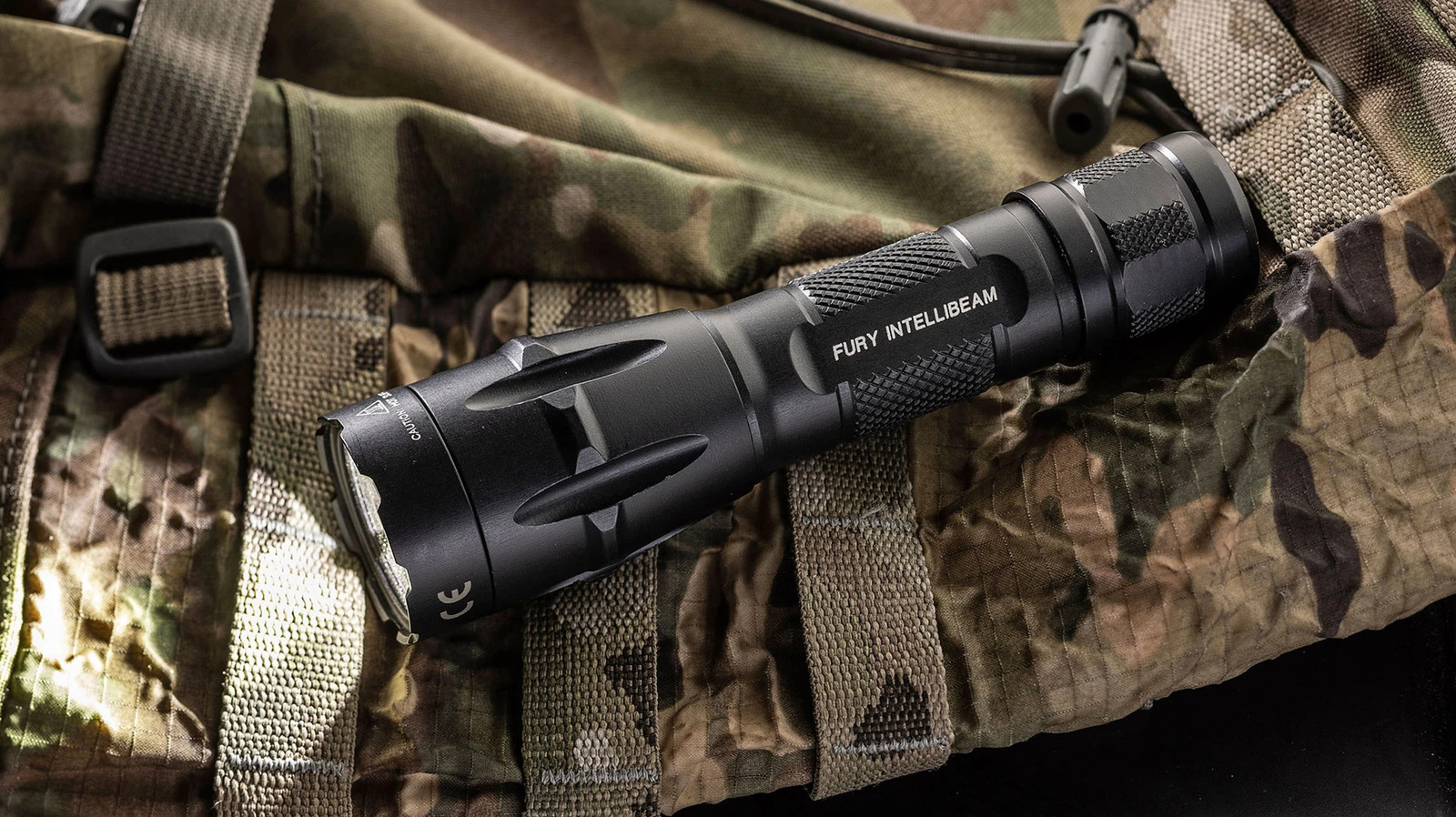
Who Makes SureFire Flashlights and Where Are They Manufactured?
SureFire flashlights are designed, machined, tested, and assembled by SureFire, LLC in the United States, utilizing American and imported components. While the company headquarters and production facilities are based in California, slashgear.com reported that imported LEDs prevent the brand from using the strict “Made in USA” label.
-
The Tech TL;DR:
- SureFire LLC operates manufacturing facilities in Santa Ana and Fountain Valley, California, employing about 300 staff members.
- Federal Trade Commission standards prevent the “Made in USA” designation because critical components like LEDs are sourced overseas.
- Competitors such as Fenix, Imalent, and Sofirn offer higher peak lumens or longer runtimes at lower price points.
Who Makes SureFire Flashlights?
SureFire LLC operates as the manufacturer behind the brand, rather than a retailer applying a private label to outsourced goods. Established in 1986 and headquartered in California, the company specializes in high-performance illumination, weapon-mounted lights, and tactical equipment. slashgear.com reported that the firm maintains a large enough facility to handle its core manufacturing in-house with approximately 300 employees.
The company traces its roots back to 1979 and laser technology under founder Dr. John Matthews, according to whomakethis.com. Laser Products later developed weapon-mounted lights when users requested illumination attached to their equipment, which eventually led to the handheld flashlight lineup.
Where Are SureFire Flashlights Manufactured?
Production takes place entirely within the United States, utilizing a mix of domestic and international parts. whomakethis.com reported that SureFire identifies its Santa Ana turning center for machining American-sourced aluminum into bodies and components.

Assembly, testing, and shipping take place at facilities located in Fountain Valley, California. Despite this domestic labor and machining, the company refrains from using the unconditional “Made in USA” label. slashgear.com reported that SureFire must source its LEDs from overseas, likely from China, due to a lack of suitable domestic suppliers to meet Federal Trade Commission standards.
How Do SureFire Models Compare to Alternatives?
Choosing a SureFire light involves balancing premium domestic assembly against performance metrics like runtime and raw output. The SureFire EDC2-DFT Turbo series reaches a beam distance slightly exceeding 2,000 feet, but retails at a premium price of $304 according to slashgear.com.
By contrast, competitors offer varying trade-offs in power and cost. slashgear.com reported that the Fenix LR35R delivers a 1,640-foot beam distance for roughly $100 less than the SureFire model. Battery life varies widely among brands. The Fenix LR35R provides a runtime of approximately 80 hours, whereas the SureFire EDC2-DFT delivers 2.75 hours at peak power and 46.5 hours in low-output mode, per slashgear.com data.
Other alternatives target extreme lumen output without a focus on pocket-sized portability. The Imalent MS32 reaches 200,000 lumens with a 5,300-foot beam distance for $100 less than the premium SureFire option, while the Sofirn Q8 Plus retails at $124 with a comparable beam reach to the SureFire EDC2-DFT.
What Warranties and Maintenance Apply?
SureFire backs its illumination products with a lifetime warranty covering material and workmanship defects, though specific exclusions apply. whomakethis.com reported that specific models like the G2X Pro polymer and aluminum flashlight rely on traditional 123A batteries rather than integrated charging sockets, delivering 600 lumens on high for 1.5 hours and 15 lumens on low for 52 hours.