Who Is Natalie Harp? The Mysterious Aide Fueling a White House Firestorm
Natalie Harp, a 35-year-old presidential aide and cancer survivor, became the center of a national political firestorm following an attack by Georgia Senator Jon Ossoff and a subsequent aggressive counter-offensive by the Trump administration in Washington, D.C.
The Congressional Attack and the West Wing Reaction
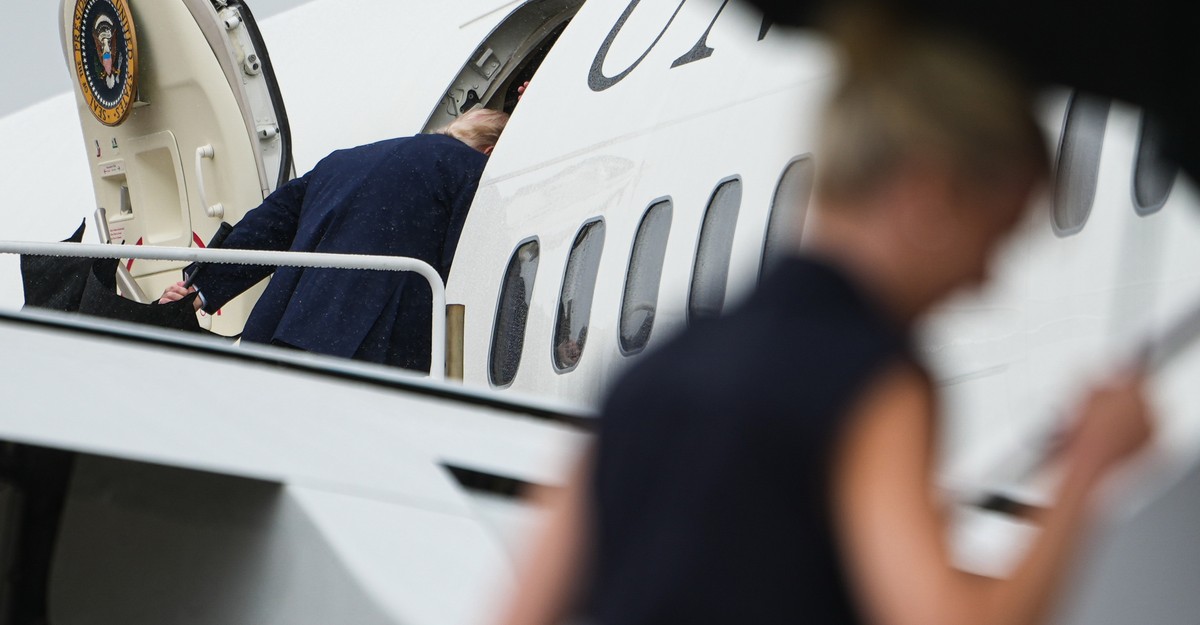
The controversy ignited during a Sunday address when Georgia Senator Jon Ossoff criticized President Donald Trump’s handling of foreign policy. Speaking to cameras, Ossoff claimed that the president spent time traveling with Natalie on an aircraft gifted by the emir of Qatar rather than focusing on official duties. According to reports from political observers, while the critique of the administration’s war strategy echoed standard campaign rhetoric, singling out a low-profile staffer immediately drew intense private and public reactions.
Rather than letting the comment pass, the West Wing launched a coordinated pushback. White House Communications Director Steven Cheung posted an aggressive critique of Ossoff on social media, quickly followed by White House spokesperson Davis Ingle, who dismissed the senator as a lightweight. Hours later, during an Oval Office photo opportunity, CNN correspondent Kristen Holmes questioned President Trump directly about the remarks regarding Harp. Trump deflected by insulting Ossoff and defending a planned ballroom project, before cutting off further questioning.
The situation escalated further when the official White House Rapid Response X account published a post calling Holmes’s question an embarrassment and targeting her personally. The severity of the online attack prompted immediate pushback from CNN and independent media associations, thrusting Harp into the center of the national news cycle.
Inside the Access and Influence of ‘My Natalie’
Before the recent political clash, Harp operated largely out of the spotlight despite wielding significant day-to-day influence in the West Wing. According to profiles in Maggie Haberman and Jonathan Swan’s book Regime Change, Harp is fiercely loyal to the president, having credited him with saving her life following her battle with cancer. Within the administration, her duties include serving as an Oval Office gatekeeper, managing social media feeds, and traveling extensively alongside the president.
Journalistic accounts note that Harp earned the nickname the “human printer” because she routinely carries a portable printer to provide Trump with physical copies of news articles and polls. Her presence was further highlighted following reports from The Washington Post detailing how she was whisked off Air Force One into a Turkish catering truck alongside the president during a security scare at the Ankara airport earlier this summer.
While allies praise her dedication, describing her to reporters as “my Natalie,” critics and anonymous West Wing aides have expressed concern over her level of access given her relative political inexperience.
Broader Political Fallout and Public Appearances
The administration’s efforts to shield Harp ultimately expanded the public discourse, drawing attention to her security clearance and prompting questions from commentators about the visibility of other key figures, including First Lady Melania Trump. As media scrutiny intensified, senior officials indicated that Harp remains focused on her responsibilities despite the sudden attention.
Amid the ongoing media cycle, First Lady Melania Trump made a scheduled public appearance in the Rose Garden for a foster-care initiative, addressing the gathered crowd directly. As the West Wing braces for continued questioning from lawmakers and journalists, the administrative reliance on fiercely loyal aides like Harp remains a defining characteristic of the current political landscape.