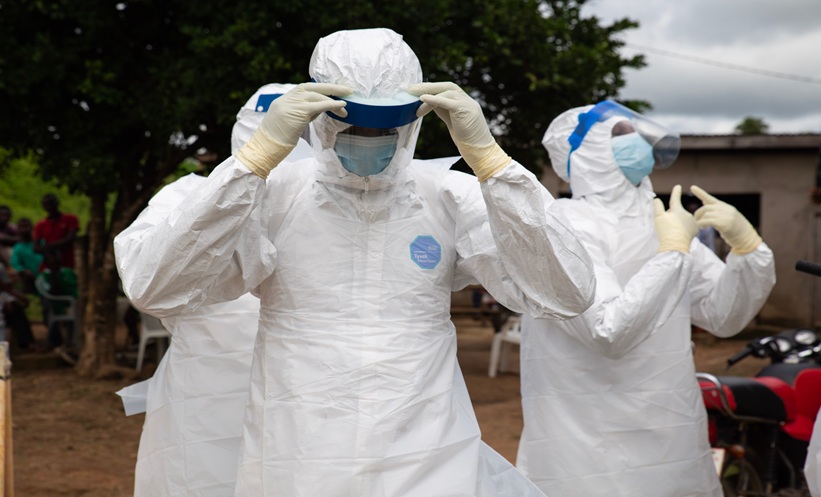
WHO Extends Global Emergency as Bundibugyo Virus Cases Surpass 11,600 in DRC
Sustained transmission of Bundibugyo virus disease has pushed confirmed cases past 11,600, prompting the World Health Organization to extend global emergency status.
According to the World Health Organization, ongoing community transmission and regional instability continue to hinder clinical containment efforts throughout central Africa a half-year after the epidemic started in May 2026. The World Health Organization Director-General agreed with the International Health Regulations Emergency Committee on November 18, 2026, that the ongoing outbreak in the Democratic Republic of the Congo still constitutes a public health emergency of international concern.
World Health Organization figures show that surveillance data up to November 17, 2026, registered 11,613 total confirmed cases, 5,678 fatalities, and 3,148 recoveries spanning 68 health zones across eight provinces of the Democratic Republic of the Congo, yielding an overall crude case fatality rate of 48.9%. Between November 6 and November 17 alone, medical authorities documented 945 newly confirmed cases and 480 deaths, while active spread continued in 48 health zones.

Notably, 452 of the 720 deaths reported since late October occurred within communities outside dedicated treatment facilities. The World Health Organization said that high community-level mortality highlights persistent obstacles to swift case identification, prompt isolation, and early supportive treatment within districts impacted by conflict.
While transmission remains concentrated within the Democratic Republic of the Congo, regional containment has achieved measurable milestones. No fresh infections were registered in Bas-Uélé, Sud-Kivu, and Sud-Ubangi during the most recent reporting window, and Sud-Kivu as well as Sud-Ubangi have gone past 42 days free of cases.
Additionally, the World Health Organization said that both Kenya and Nigeria have commenced 42-day countdowns to officially end their local outbreaks after all tracked contacts finished 21 days of observation with zero secondary transmission.
Six months ago, I declared the Bundibugyo virus #Ebola outbreak in the #DRC a Public Health Emergency of International Concern. Since then, over 11,000 cases and 5400 deaths have been recorded across eight provinces, making this the largest and deadliest Ebola outbreak in the… pic.twitter.com/v1TncZkxJs
Kenya’s outbreak comprised nine confirmed cases, including four healthcare workers, and two deaths. Nigeria reported a single imported case in Abuja on October 20, 2026, with no associated deaths or secondary confirmed cases, while Uganda remained free of new confirmed cases since its earlier outbreak ended on July 28, 2026.
In the Democratic Republic of the Congo, the outbreak exhibits sustained transmission primarily across three provinces, with recent daily reports documenting 52 new cases centered in Ituri, North Kivu, and Haut-Uélé.
Despite these concentrated areas of active spread, recent daily reporting has indicated a decline in new cases by 25.7%. The broader epidemic in the Democratic Republic of the Congo has recorded 11,042 confirmed cases alongside 5,387 deaths, which yields a high case fatality rate of 48.8%, as outlined by the World Health Organization.
Centred on the Congo Basin with terrain largely covered by dense rainforests and crossed by many rivers, the Democratic Republic of the Congo features vast geography that can complicate medical logistics. Compounding these physical barriers, the nation has suffered from a lack of infrastructure, political instability, and over 120 active armed groups concentrated in the east.
Despite encouraging containment in neighboring states, international health officials warn that continued exportation remains possible. Although travel and trade restrictions are not advised, clinicians are urged to maintain heightened diagnostic vigilance and cross-border preparedness, World Health Organization reported.