
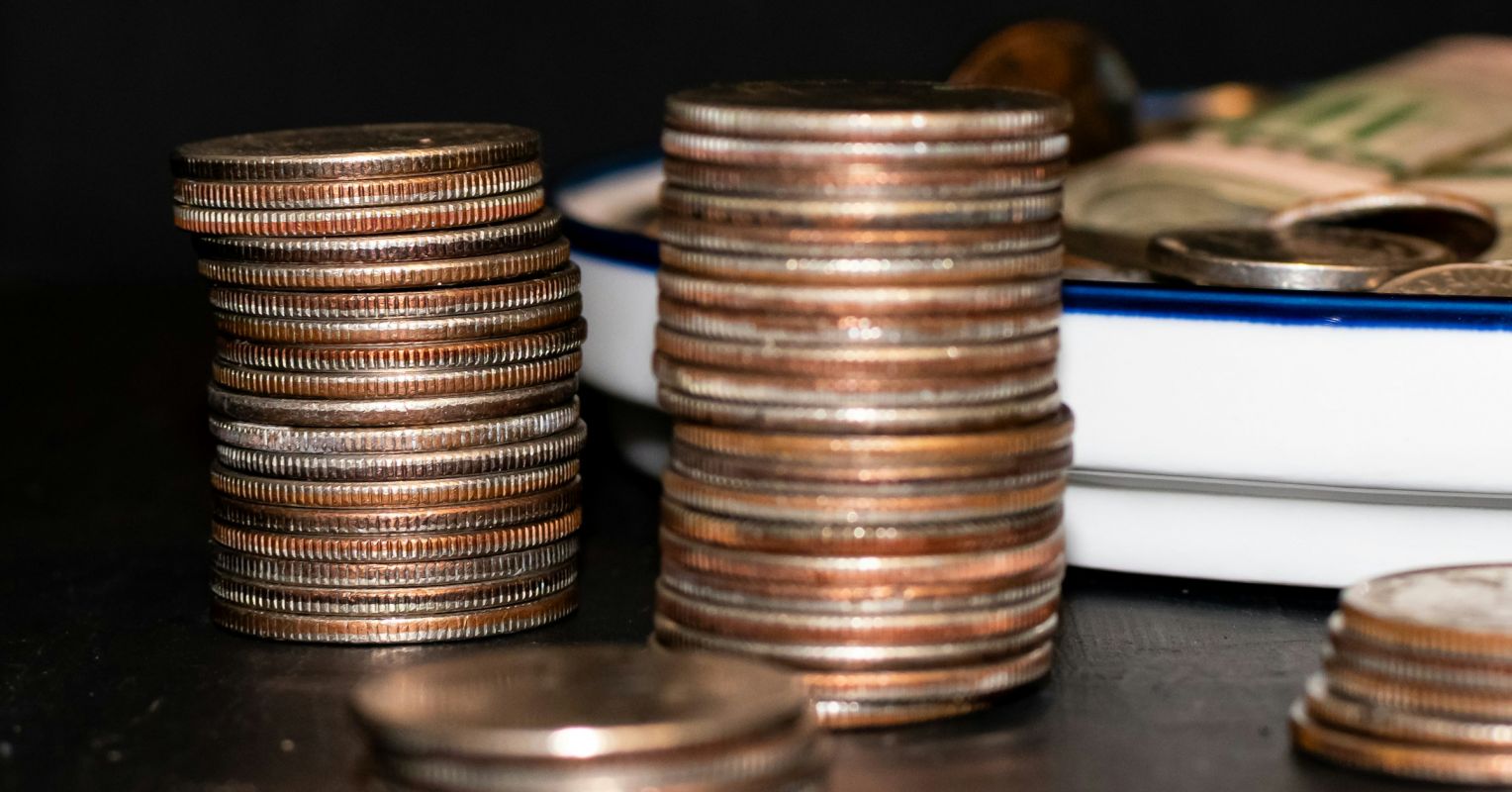
“Affordability” is today’s political buzzword. As people in the U.S. experience rising prices and fall behind financially, savvy politicians are tuning in.
Getting by is getting harder, particularly for those with lower incomes and leaner socioeconomic resources. Federal budget cuts to healthcare coverage, food and housing assistance, and more contribute to the squeeze. Although the conversation around addressing inequality through social welfare policies and programs is usually defined by partisan divides, it’s vital to recognize that most Americans believe that it’s the government’s obligation to help ensure people’s basic needs, like healthcare, at least in some form.
There’s little consensus, though, about the best way to provide such aid. Elected leaders too often politicize social welfare programs and policies, driving polarization. The public is wary of increasing government spending; and trust in the government, itS representatives, and its institutions is at a major low. Undergirding these issues are the default norms and assumptions of the American Dream, self-reliance, and individualism—pillars of the U.S.’s cultural story—which not only valorize hard work and economic success but equate them. These cultural defaults have powerful psychological and societal consequences for how Americans view economic policies and who deserves to benefit from them.Whether you work as a changemaker or are looking to make a difference in your community,you’ll need to grapple with your culture’s defaults. Cultural defaults are taken-for-granted, enduring, often tacit assumptions about the self, others, and society that are woven throughout a culture’s “culture cycle” (like individualism in the U.S.). On the plus side, when cultural defaults function as core values, research shows you can leverage them as powerful unifiers and motivators for culture change. But if those defaults get bound up with pernicious biases that position some people and groups as “better” than others, they can instead be significant barriers.
No culture is neutral—powerful ideas and assumptions are built in
No culture is neutral or value-free. As we saw in a previous post about Principle #1 (of the seven key principles of intentional culture change), cultures incorporate the ideas and assumptions of the people who create and sustain them. Our identities—who we are, what we believe, how we think things should work—are built into the culture cycle at all levels (Principle #2).Because of this, any culture change attempt must grapple with a culture’s default assumptions and assess whether they can be leveraged to support the change—or not. To that end, Principle #4 is: Culture change is easier when it leverages existing core values, and harder when it challenges deep-seated defaults and biases.
In some cases, a culture’s underlying ideas and assumptions can be leveraged as core values or powerful motivators for change—a tailwind, so to speak. as an example, research shows that when aid policies are framed as supporting “financial freedom” (i.e., as aligned with American and conservative core values) rather than providing “financial security” (i.e., as less aligned with American and conservative core values), policy support rises among U.S. conservatives and prejudice toward aid recipients declines. In this way, cultural defaults support change by drawing on familiar values like self-reliance and individualism.
In other cases, default ideas and assumptions can hinder change—operate as a headwind. For example, research shows that while believing in the U.S. as a meritocracy—i.e., endorsing a key part of the American Dream—can be motivating, it can also fuel negative attitudes towards those living in poverty. A pernicious outcome is blaming the poor for being poor as of their own life choices or moral failings—because they “deserve” to be.
Moreover, when certain cultural assumptions or defaults are built on faulty ground or have grown outdated, they can feed harmful biases or stereotypes. For instance, while people in the U.S. have various biases about welfare recipients, they are also disproportionately likely to assume that they’re Black. Along with perpetuating stereotypes, these biases can also drive opposition to government aid policies and bolster a tolerance for inequality in society.
What hidden cultural norms and defaults are part of your culture?
By using the culture cycle as a mapping tool, changemakers can start identifying the (often implicit) defaults built into their cultures, assess whether those defaults are helpful or harmful, and evaluate their potential impact on change. While doing so, ask: 1) What underlying norms and assumptions are maintaining the status quo in the culture? And 2) Does it need to be that way? This process can definitely help changemakers better understand both potential opportunities and barriers to facilitating change, recognize whose perspectives could be excluded or harmed by that change, and find ways to bring more people on board.
So how can we move the needle on affordability and economic stability for more people in the U.S.? As Democrats and Republicans compete to convince the public that their party is better suited to the job, how will leaders engage with American cultural defaults as they make their case?
