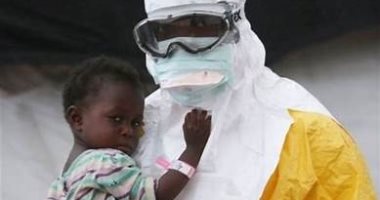
WHO Declares Health Emergency Over Ebola Outbreak in Congo
Global Health Alert: WHO Declares Ebola Outbreak a Public Health Emergency of International Concern
The World Health Organization (WHO) has officially designated the Ebola outbreak involving the Bundibugyo virus in the Democratic Republic of the Congo and Uganda as a Public Health Emergency of International Concern (PHEIC). This declaration signals a critical shift in the global response to the escalating epidemiological threat in East-Central Africa.
- Emergency Status: The outbreak is classified as a PHEIC under the International Health Regulations (2005), though it does not currently meet the criteria for a pandemic emergency.
- Epidemiological Profile: As of May 16, 2026, the outbreak in the Ituri Province of the DRC includes 8 laboratory-confirmed cases, 246 suspected cases, and 80 suspected deaths.
- Clinical Risk: The Bundibugyo virus presents high morbidity and a mortality rate ranging from 25% to 90%, often resulting in death via shock from fluid loss.
The Regulatory Implications of a PHEIC Designation
The determination of a Public Health Emergency of International Concern is a formal mechanism used by the WHO to trigger international coordination and preparedness. Under Article 12 of the International Health Regulations (IHR), the Director-General makes this determination after assessing the risk to human health, the potential for international spread, and the risk of interference with international traffic.

In this specific instance, the WHO identified the event as “extraordinary” due to the concentrated nature of the cases in the Ituri Province of the Democratic Republic of the Congo. The virus has been identified across at least three distinct health zones: Bunia, Rwampara, and Mongbwalu. The presence of confirmed cases in Uganda further necessitates a coordinated cross-border response to mitigate the risk of regional transmission.
“The Director-General of WHO… Is hereby determining that the Ebola disease caused by Bundibugyo virus in the Democratic Republic of the Congo and Uganda constitutes a public health emergency of international concern (PHEIC), but does not meet the criteria of pandemic emergency, as defined in the IHR.”
This distinction is vital for global health authorities. While a pandemic emergency implies a broader, uncontrolled global spread, a PHEIC allows for a targeted, high-intensity response to contain an outbreak within specific geographic and epidemiological boundaries. For healthcare systems and international stakeholders, this designation necessitates immediate mobilization of resources, including diagnostic support, contact tracing, and clinical management protocols.
Clinical Manifestations and the Pathogenesis of Bundibugyo Ebola
Understanding the biological mechanism of the Bundibugyo virus is essential for effective triage and clinical management. As a zoonotic viral hemorrhagic fever, the virus is transmitted through direct contact with the blood or body fluids of an infected individual or contaminated objects. The clinical progression of the disease is often rapid and severe.

Typical onset occurs anywhere between two days and three weeks after exposure. The initial phase is characterized by non-specific symptoms, including fever, sore throat, muscle pain, and headaches. As the infection progresses, patients may experience vomiting, diarrhoea, rash, and significant hepatic and renal dysfunction. In many cases, the disease advances to a stage where patients experience both internal and external bleeding.
The mortality rate for Ebola virus disease is notably high, with estimates ranging from 25% to 90%, averaging approximately 50%. The physiological cause of death is frequently attributed to shock resulting from massive fluid loss. Given the severity of these clinical outcomes, rapid identification via diagnostic modalities—such as finding viral RNA or antibodies in the blood—is the primary requirement for reducing morbidity.
For medical facilities operating in high-risk zones, the ability to rapidly deploy diagnostic testing is paramount. Organizations managing these outbreaks must ensure seamless integration with specialized infectious disease diagnostic laboratories to confirm cases and initiate isolation protocols immediately. Failure to provide rapid molecular testing can lead to significant delays in containment and increased secondary transmission rates.
Epidemiological Surveillance and Regional Containment
The current epidemiological landscape highlights the complexity of managing outbreaks in regions with porous borders. The reporting of 246 suspected cases alongside 8 laboratory-confirmed cases in the DRC underscores the challenges of surveillance in the Ituri Province. The presence of the virus in multiple health zones suggests a need for robust community-level monitoring and contact tracing.
The risk of international spread is a primary driver behind the WHO’s decision. As cases are confirmed in neighboring Uganda, the focus shifts from localized containment to regional mitigation. This requires not only clinical expertise but also a highly resilient medical supply chain. The demand for Personal Protective Equipment (PPE), specialized medical consumables, and supportive care medications increases exponentially during a PHEIC.
Healthcare administrators and governmental health ministries are increasingly relying on vetted medical logistics and PPE supply chain providers to ensure that frontline workers are protected. In an environment where the mortality rate can reach 90%, the availability of high-grade protective gear and reliable medical equipment is not merely a logistical concern but a fundamental component of the public health defense strategy.
The Path Forward: Preparedness and Clinical Intelligence
The declaration of a PHEIC serves as a call to action for the global medical community. While the current data does not suggest a pandemic-level event, the high mortality rate and the potential for rapid transmission necessitate a proactive rather than reactive stance. The primary goal remains the interruption of transmission chains through rigorous contact tracing, isolation of confirmed cases, and the provision of intensive supportive care.

Future efforts will likely focus on the scaling of diagnostic capabilities and the strengthening of local health infrastructures in the DRC and Uganda. Continued monitoring of the viral evolution and the geographic spread remains critical to preventing the outbreak from exceeding current containment capabilities. As we move forward, the integration of real-time epidemiological data with clinical response protocols will be the deciding factor in bringing this event under control.
For healthcare providers and institutional leaders, the current situation underscores the importance of maintaining readiness for sudden shifts in infectious disease landscapes. Navigating these emergencies requires access to the highest standard of clinical intelligence and a network of trusted healthcare partners. We recommend that all medical organizations review their emergency response protocols and consult with specialized infectious disease consultants to ensure alignment with the latest international health regulations and clinical standards.
Disclaimer: The information provided in this article is for educational and scientific communication purposes only and does not constitute medical advice. Always consult with a qualified healthcare provider regarding any medical condition, diagnosis, or treatment plan.