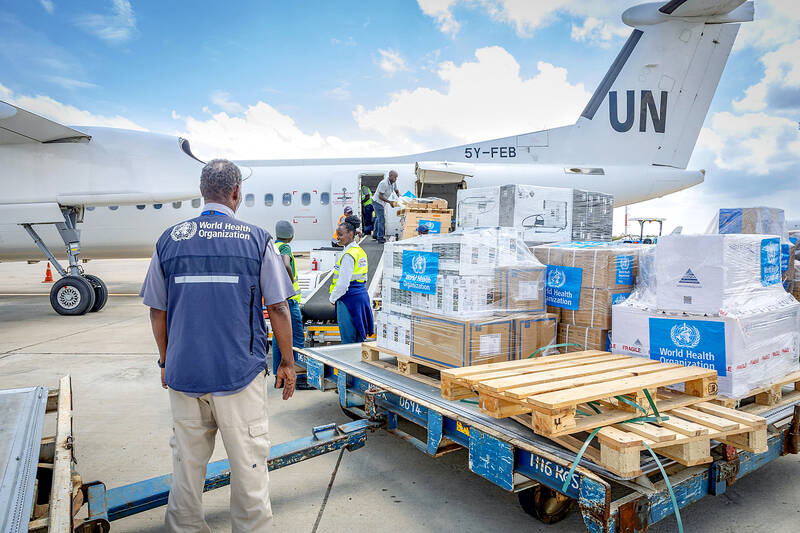
WHO Declares Ebola Outbreak a Global Emergency: Rising Cases, Fear, and Urgent Response in DR Congo and Uganda
The World Health Organization (WHO) has officially designated the ongoing Ebola disease outbreak in the Democratic Republic of the Congo and neighboring Uganda as a Public Health Emergency of International Concern (PHEIC). This rare viral variant has already resulted in more than 300 suspected cases and 88 documented fatalities, necessitating a rapid, coordinated international response to mitigate the risk of further cross-border transmission.
Key Clinical Takeaways:
- The current outbreak involves a rare strain of the Ebola virus, characterized by high morbidity and a severe clinical progression requiring specialized isolation protocols.
- WHO leadership emphasizes that while the situation is a global emergency, it does not currently meet the criteria for a pandemic, specifically advising against the closure of international borders to maintain supply chain and medical resource flow.
- The identification of a laboratory-confirmed case in Kinshasa, located hundreds of miles from the Ituri epicenter, highlights the significant risk of rapid geographic expansion through human mobility.
The Pathogenesis and Epidemiological Risk
Ebola virus disease is a severe, often fatal illness caused by the Ebolavirus genus. The virus is transmitted to humans through direct contact with the bodily fluids—including blood, vomit, and semen—of infected individuals or contaminated surfaces. The pathogenesis involves a systemic inflammatory response, often leading to multi-organ failure and disseminated intravascular coagulation. Given the high case-fatality rate associated with this viral family, prompt identification and containment are the primary clinical objectives.
The current spread into populous regions, including North Kivu and the capital city of Kinshasa, underscores the limitations of localized containment. Epidemiological surveillance is complicated by the high mobility of populations in the affected provinces. According to the World Health Organization (WHO), the declaration of a PHEIC is intended to catalyze donor agency support and standardize the international medical response, ensuring that diagnostic and supportive care resources are effectively deployed where morbidity is highest.
The rapid identification of confirmed cases outside the initial epicenter serves as a critical indicator for healthcare systems to enhance their triage protocols and infection control measures immediately.
Addressing the Clinical and Logistical Gap
The absence of an immediate, widely available vaccine in the most affected zones creates a significant therapeutic hurdle. In clinical environments, managing Ebola patients requires advanced supportive care, including aggressive fluid resuscitation, electrolyte management, and the treatment of secondary infections. For healthcare facilities and regional clinics in high-risk zones, the sudden strain on resources requires an immediate audit of infection control protocols and biosafety equipment.
Healthcare providers and diagnostic centers must ensure their staff are proficient in the use of personal protective equipment (PPE) and rapid diagnostic testing. Facilities requiring guidance on current biosafety standards or the implementation of urgent infectious disease protocols should consult with board-certified infectious disease specialists. Administrators managing the procurement of medical supplies and emergency diagnostic kits are encouraged to work with healthcare compliance attorneys to navigate the complex regulatory frameworks associated with international emergency medical aid and cross-border logistics.
Diagnostic Vigilance and Future Trajectory
The clinical priority moving forward is the implementation of robust contact tracing and the establishment of dedicated isolation units. As the WHO continues to monitor the genetic evolution of this rare variant, clinicians must remain vigilant for atypical presentations. The integration of real-time epidemiological data is essential for assessing the efficacy of current containment strategies. Research into therapeutic interventions and vaccine development remains an active area of investigation, with funding often facilitated by international health grants and institutional partnerships aimed at global health security.

As the international community mobilizes, the focus remains on preventing the virus from establishing a foothold in high-density urban centers. Patients presenting with unexplained febrile illness in regions with known exposure histories should be evaluated by public health consultants to ensure that suspected cases are handled with the necessary clinical precautions to prevent nosocomial transmission.
The trajectory of this outbreak will depend heavily on the accuracy of surveillance data and the speed with which medical resources are distributed to the affected provinces. Continued coordination between national ministries of health and international bodies will be the cornerstone of efforts to reduce morbidity and stabilize the affected populations.
Disclaimer: The information provided in this article is for educational and scientific communication purposes only and does not constitute medical advice. Always consult with a qualified healthcare provider regarding any medical condition, diagnosis, or treatment plan.