Whistleblower Reports Pharma Giants Paid Russians for Cancer Drugs
Confidential whistleblower reports submitted to U.S. regulators reveal that four major pharmaceutical companies paid tens of millions of dollars in excessive bonuses to Russian distributors to secure government contracts for high-priced cancer medications, according to an investigation published by the International Consortium of Investigative Journalists.
The Partnership Between Merck and R-Pharm
In selling its blockbuster anticancer drug Keytruda to the Russian government, New Jersey-based Merck turned to R-Pharm, a hospital supplier founded by Alexey Repik, an economist who started the firm in 2001 after selling his car and borrowing $15,000 from his mother. In 2009, Merck forged a strategic alliance with R-Pharm as the Russian company expanded its operations and teamed up with other Western firms.
Repik amassed billions of dollars through the arrangement while attracting scrutiny over whether insider connections to government officials helped his firm win massive public contracts. Russia’s Federal Antimonopoly Service previously investigated R-Pharm regarding whether the firm coordinated bidding with other medicine distributors to maintain high drug prices.
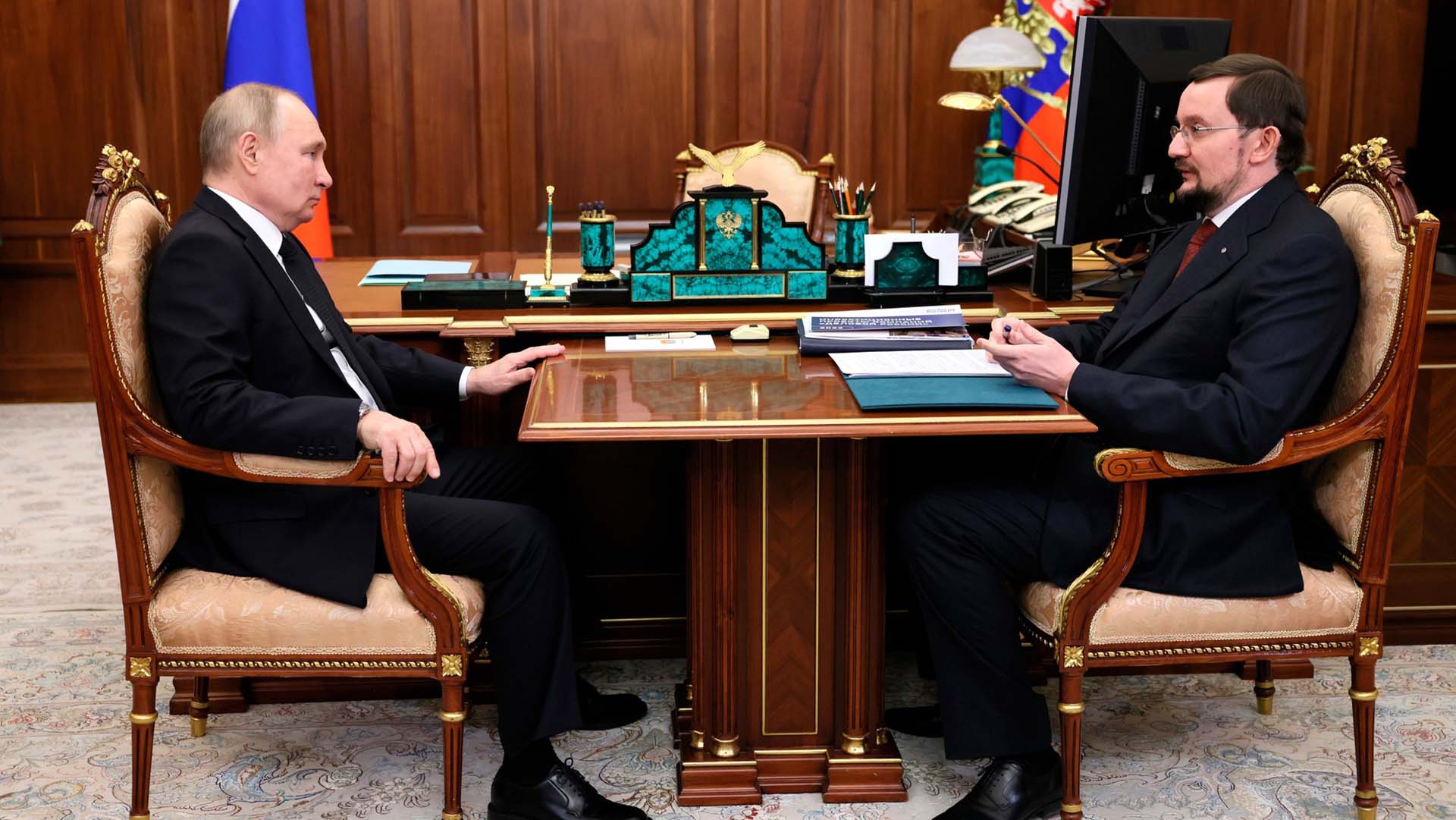
Repik became a political heavyweight, meeting one-on-one with Russian President Vladimir Putin and attending Donald Trump’s first presidential inauguration festivities in 2017. Repik, a sanctioned oligarch close to Putin, faced consequences as Western drugmakers adjusted their operations.
Whistleblower Disclosures Submitted to the SEC
Between 2020 and 2023, drug companies provided excessive sales bonuses and rebates to a network of Russian distributors and sub-distributors, according to confidential whistleblower reports obtained by ICIJ, Proekt, and the Swiss media outlet Republik as part of the Cancer Calculus project. The disclosures allege that Merck, Eli Lilly, Novartis, and AstraZeneca paid bonuses ranging from between 15% and 35% to intermediaries supplying drugs such as Keytruda, Cyramza, Kisqali, and Tagrisso.
The whistleblower documents—which include company emails, bidding records, and letters to corporate audit committees—were submitted to the U.S. Whistleblower reports submitted to the Securities and Exchange Commission in late 2024 and 2025 allege violations of the Foreign Corrupt Practices Act. The federal statute prohibits bribery of foreign officials to secure business and requires publicly traded companies to maintain transparent accounting.
The disclosures state that distributors used the large bonuses to fund kickbacks to government healthcare officials and hospital administrators in exchange for awarding public contracts without real competition. A page from a 2022 Eli Lilly business plan indicated that the company budgeted a bonus of 34% for Cyramza, while Russian procurement data showed Pharmstandard was the sole bidder for contracts awarded by the Moscow City Department of Health.
R-Pharm Denies Improper Payments to Public Officials
Vasily Ignatiev, R-Pharm’s general director, defended the use of bonuses as legitimate business practices. He stated that the firm was not aware of any investigation into improper payments and denied any involvement in improper payments to public officials.
Distributors have faced similar scrutiny in other global jurisdictions. In Kazakhstan, the SEC alleged that distributors for Sanofi generated funds to bribe officials by creating discount margins, masking kickbacks under the internal code word “marzipans.” Sanofi paid millions of dollars to settle the allegations in 2018 without admitting or denying wrongdoing.
In Brazil, a subsidiary of Eli Lilly gave a distributor a discount for government drug sales, with the distributor using about 6% of the purchase price to pay bribes to government officials, according to U.S. investigations. Lilly reached a civil settlement with the SEC in 2012, agreeing to pay more than $29 million in a statement without admitting or denying the allegations.
The Loss of Market Share and Regulatory Shifts
Merck, Eli Lilly, and AstraZeneca declined to comment on the recent disclosures, while the Russian government did not respond to requests for comment.
Related reading