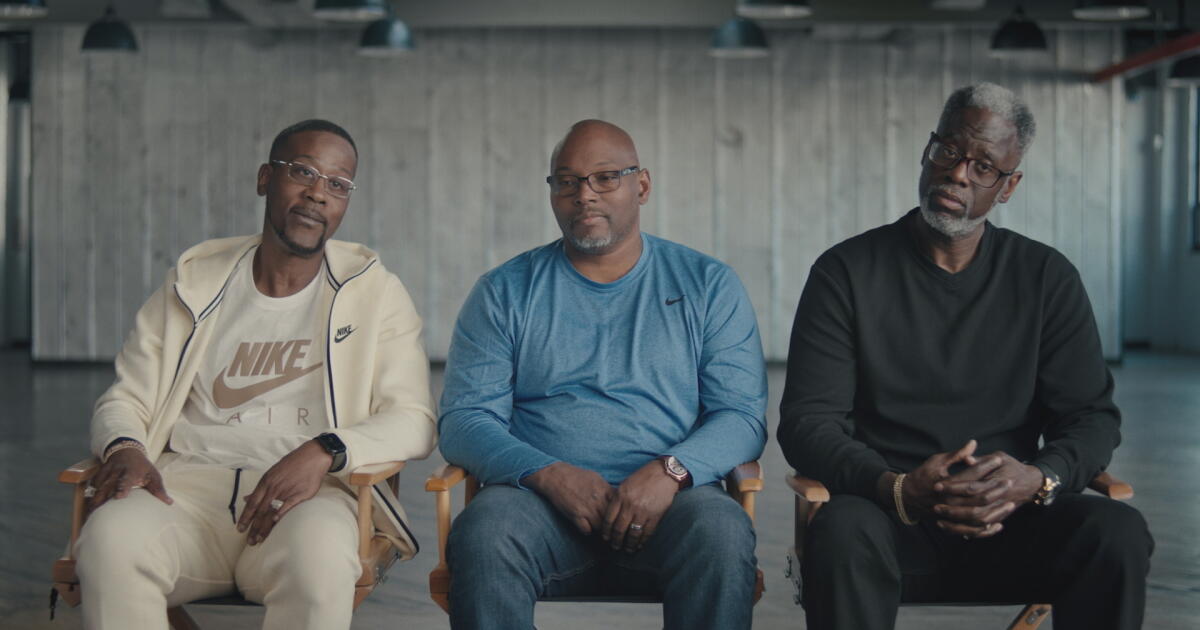
When a Witness Recants HBO Chronicles Harlem Park Three Wrongful Conviction and Exoneration
The HBO documentary When a Witness Recants, which premiered November 17, chronicles the 36-year wrongful incarceration of Andrew Stewart, Ransom Watkins, and Alfred Chestnut.
Known as the "Harlem Park Three," the men were convicted of the 1983 murder of 14-year-old DeWitt Duckett at a Baltimore junior high school, a case that resulted in the longest wrongful conviction in American history, Gold Derby reported.
- The three men served a combined 108 years in prison before their 2019 exoneration.
- Director Dawn Porter and executive producer Ta-Nehisi Coates adapted the project from a 2021 New Yorker article.
- The documentary recreates the events of 1983, according to Sundance.org.
When director Dawn Porter first met with the subjects, they asked if she intended to tell the truth. "That hits really hard when you realize what happened to them," Porter told Gold Derby. The film examines how police coerced child witnesses and suppressed exculpatory evidence, including testimony identifying a different individual, Michael Willis, as the killer, the Los Angeles Times reported.
Filming the Harlem Park Three
If you need to take a break, take a break,’" she said to Gold Derby. Watkins said that the production team’s approach differed from previous offers the trio received, describing their demeanor as "motherly love," the Los Angeles Times reported.”
The documentary also tracks Ron Bishop, one of the witnesses who testified against the trio as a 14-year-old. While the project initially planned for a reunion, Porter expressed hesitation as filming progressed, “The meeting shows you can’t fix this,” Porter said to Gold Derby. “As much as everybody would like a neat kumbaya ending, we have to stop wrongful convictions from happening because you can’t fix it.”

The former lead investigator, Detective Donald Kincaid, and the trial judge, Robert Bell, did not face consequences, according to Sundance.org. While the men continue to navigate life after their release, they have participated in screenings and Q&A sessions to share their experiences. "Watching people care about them is helping them believe in people again," Porter told Gold Derby.
Justice System Failures
The two witnesses said the killer acted alone, but Baltimore Det.
A Call for Accountability
“One reason I make these movies is to say we can choose to do better,” Porter said. Their appeal shouldn’t have been denied."
Director Warns of Emotional Toll
Before the premiere of her documentary at the Library Center Theatre in Park City, director Dawn Porter warned the audience: “You might want some tissues if you have some tissues.” It’s real talk.
Porter, who has made several films about the legal system, said she had “never heard of anything where so many supposed safeguards failed.”

Men Call for Accountability
“One reason I make these movies is to say we can choose to do better,” Porter said, noting her legal background helps her focus on narrative essentials. She emphasized that their appeal “shouldn’t have been denied.”
Ransom Watkins called for voters to “put something in place to punish” former Baltimore Police lead investigator Donald Kincaid and trial judge Robert Bell.
Baltimore, Maryland’s most populous city, has a long history as a major transportation hub and port, established in 1706 to support tobacco trade with Europe. By 1830, the city became home to the nation’s oldest railroad, the Baltimore and Ohio, reinforcing its role as a critical gateway for goods from the Midwest and Appalachia.
The city’s Inner Harbor was the second-leading port of entry for immigrants to the United States after New York’s Ellis Island, shaping its diverse demographics and industrial growth.
Baltimore’s judicial history is marked by pivotal moments, such as briefly serving as the nation’s capital during the American Revolutionary War from December 1776 to February 1777.
It’s real talk. HBO has given us back our dignity.” It ain’t good. It’s hard. We’re still behind, we’re struggling in life every day. I can call my brother Ransom. We can talk to each other. We don’t have to be behind the bars. That’s a great thing.”