
WhatsApp Introduces Username Feature, Sends Messages Without Revealing Phone Number
WhatsApp Username Integration: An Architectural Shift in Identity Management
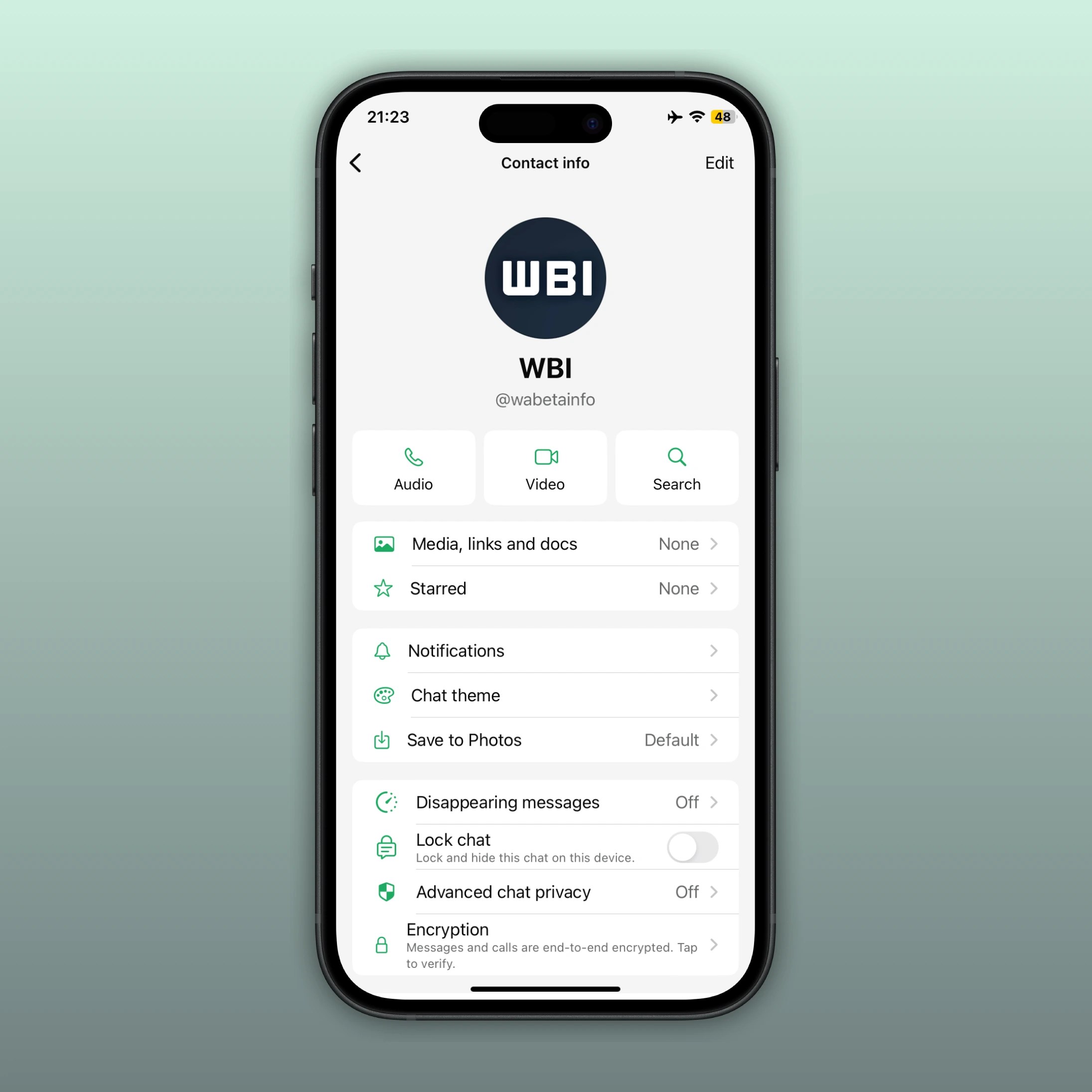
WhatsApp is currently transitioning its identity layer to support alphanumeric usernames, allowing users to initiate conversations without exposing their primary mobile number. According to reports from beta-testing documentation and platform development logs, this change shifts the application from a phone-number-centric identity model toward a more traditional handle-based architecture, mirroring the privacy-first approach seen in competing platforms like Telegram or Signal. This rollout, currently moving through global production environments, addresses long-standing concerns regarding data leakage and the necessity of sharing personal contact information to facilitate professional or casual communication.
The Tech TL;DR:
- Identity Decoupling: Users can now generate a unique handle, masking the underlying E.164 phone number from new contacts.
- Privacy Architecture: The change reduces the exposure of PII (Personally Identifiable Information) in public-facing interactions, limiting the blast radius of potential social engineering or doxxing.
- Deployment Status: The feature is rolling out via staged server-side updates, requiring users to ensure their client is running the latest build to access the handle configuration interface.
Architectural Impact on Identity and Privacy
The reliance on phone numbers as a primary key in WhatsApp’s database has historically been a point of friction for enterprise users and privacy advocates. By moving to a username-based lookup, Meta is essentially implementing an abstraction layer between the user’s hardware-bound identifier and their public profile. For developers, this necessitates a shift in how contact synchronization is handled within the application’s local SQLite databases and cloud-sync protocols.

As noted by cybersecurity researchers in recent analyses of messaging protocol security, the exposure of a phone number acts as a persistent entry point for metadata harvesting. “When you decouple the identity from the SIM-linked identifier, you significantly harden the user’s defensive posture against automated scraping and unsolicited contact,” explains a senior security architect. Organizations looking to integrate these changes into their communication workflows should consult with a specialized cybersecurity auditor to ensure that internal data governance policies are updated to account for this new identity schema.
Implementation and API Considerations
While the front-end user experience is straightforward, the backend transition involves updating the WhatsApp Graph API to resolve usernames to internal user IDs. For those managing enterprise-scale integrations, the shift implies that legacy scripts relying on `phone_number` as the unique index may require refactoring. Developers interacting with the WhatsApp Business API should prepare for potential updates in the documentation regarding user discovery.
To verify the current state of a user’s handle within a local environment, one might observe the following logical flow in the API request structure:
curl -X GET "https://api.whatsapp.com/v1/user/search?handle=@username"

     -H "Authorization: Bearer [YOUR_TOKEN]"

     -H "Content-Type: application/json"
This request, while illustrative, highlights the transition from querying via phone digits to querying via unique string handles. Firms currently managing large-scale customer support channels should engage a software development agency to audit their existing CRM hooks before this feature reaches full global saturation.
Comparative Analysis: WhatsApp vs. Industry Standards
WhatsApp’s adoption of usernames places it in direct competition with platforms that have prioritized handle-based identity for years. In a comparative evaluation of messaging stacks, the following technical distinctions emerge:
| Feature | WhatsApp (Current) | Telegram (Baseline) | Signal (Baseline) |
|---|---|---|---|
| Primary ID | Phone Number (E.164) | Username/Phone | Phone Number (with Privacy PIN) |
| Metadata Exposure | High (Number visible) | Low (Handle visible) | Medium (Number masked) |
| Encryption | Signal Protocol (E2EE) | MTProto (Optional E2EE) | Signal Protocol (E2EE) |
The move suggests a strategic pivot to maintain market share among privacy-conscious users who have previously migrated to alternative platforms specifically to avoid the “phone number requirement” bottleneck. For enterprises, this represents a significant improvement in compliance with GDPR and other data privacy regulations, as it provides a method to communicate with clients while keeping the underlying infrastructure identifiers obscured.
Future Outlook for Enterprise Communication
The trajectory of this feature suggests that Meta is moving toward a more modular identity framework. As the platform continues to scale, we expect further refinements in how these usernames intersect with business accounts and automated chatbots. For companies currently struggling with the transition, now is the time to optimize your internal infrastructure. Connecting with a Managed Service Provider can help bridge the gap between legacy contact management and the new, handle-based paradigm.
Frequently Asked Questions
Disclaimer: The technical analyses and security protocols detailed in this article are for informational purposes only. Always consult with certified IT and cybersecurity professionals before altering enterprise networks or handling sensitive data.