
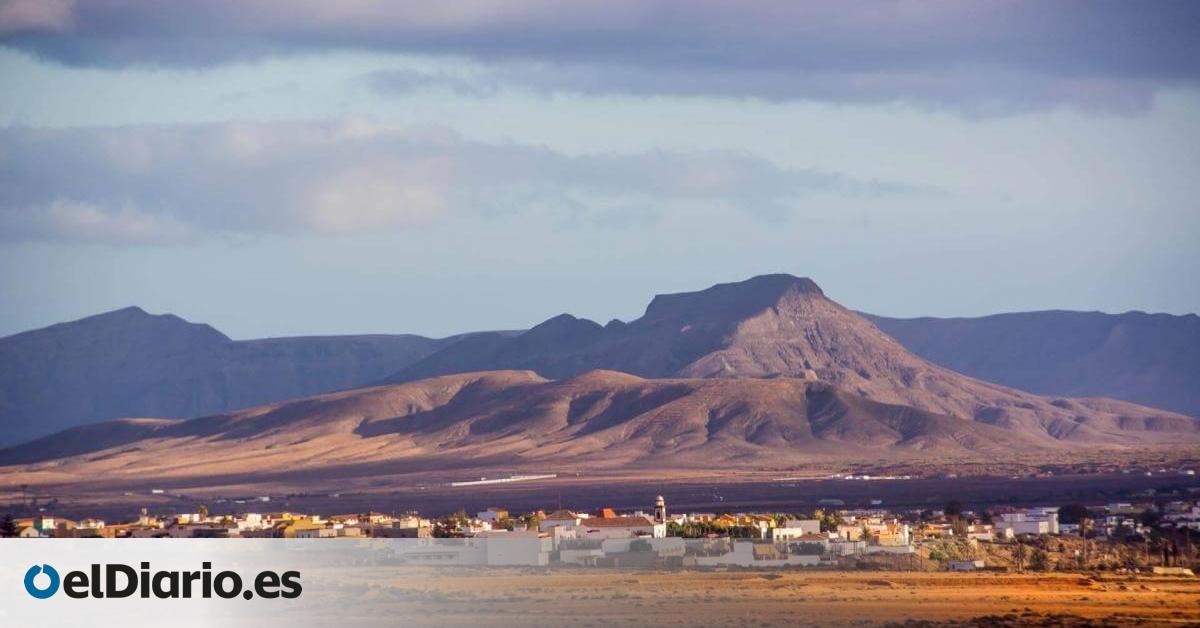
What to See in Antigua, Fuerteventura: Historic Windmills and Salt Pans
Antigua, a historic municipality in central Fuerteventura, preserves the Canary Islands’ agrarian legacy through its iconic windmills and the active Salinas del Carmen. As of April 7, 2026, the town serves as a critical cultural anchor, blending colonial architecture with protected volcanic landscapes to sustain regional tourism and heritage.
For the casual traveler, Antigua is a picturesque escape. For the strategist, it is a case study in survival. The town exists because of a geographical fluke—it sat as the natural transit point between the historic capital of Betancuria and the vital ports of Caleta de Fuste and Pozo Negro. This positioning turned a dry landscape into a commercial hub, but maintaining that relevance in 2026 requires more than just nostalgia.
The real tension here lies in the friction between preservation and modernization. As Fuerteventura faces increasing pressure from global tourism, the “authentic” rural character of Antigua is under threat. When a town’s primary asset is its history, the risk is becoming a museum piece rather than a living community. This creates a pressing need for sustainable urban planning and the protection of ancestral land rights.
Property owners in these historic districts often locate themselves trapped between strict conservation laws and the desire to modernize. Navigating these municipal regulations requires specialized guidance; many are now turning to real estate attorneys who specialize in heritage protection to ensure that renovations don’t trigger heavy fines from the Canary Islands government.
The Engineering of Survival: Windmills and Salt
The skyline of Antigua is defined by its white cylindrical towers. These aren’t mere ornaments; they are the remnants of an 18th-century industrial revolution. The Molino de La Corte and Molino de Durazno represent a time when the ability to grind wheat and maize into gofio—the staple flour of the islands—was the difference between prosperity and famine.
These structures were engineered to withstand the relentless trade winds of the interior. The stone bases provide the ballast, while the wooden caps rotate to capture the wind from any direction. It is a masterclass in vernacular architecture: using the environment’s harshest element to power the community’s most basic need.
Further toward the coast, the Salinas del Carmen operate on a different logic. Spanning 26,000 square meters, these are the only functioning salt pans on the island. Salt was once the “white gold” of the Atlantic, essential for preserving fish and livestock in a pre-refrigeration era. Today, the salt pans are a Bien de Interés Cultural (Asset of Cultural Interest), meaning they are protected by Spanish national law.
“The Salinas del Carmen are not just a tourist attraction; they are a living laboratory of hydraulic engineering. To lose these techniques would be to lose our understanding of how to coexist with the Atlantic’s salinity and the island’s aridity.”
This quote reflects a sentiment shared by regional historians who argue that the salt pans are an ecological buffer. The evaporation process is a delicate balance of tide and sun, a process that is increasingly vulnerable to the shifting sea levels documented by the Intergovernmental Panel on Climate Change (IPCC).
Geopolitical Anchoring and the Colonial Footprint
Antigua’s layout is a physical map of Spanish colonial administration. The Iglesia de Nuestra Señora de la Antigua, built in the 18th century, serves as the spiritual and social epicenter. Around it, the stone manor houses reflect a rigid social hierarchy based on land ownership and water rights.

Water is the invisible currency of Fuerteventura. In a region with almost no permanent rivers, the ability to capture rainfall or dig deep wells determined who held power. This historical struggle continues today as the municipality manages its water infrastructure. The transition from traditional cisterns to modern desalination and irrigation systems has created a gap in technical expertise.
As the town expands its tourism infrastructure, the strain on local utilities grows. This has led to a surge in demand for civil engineering consultants who can integrate modern sewage and water systems into a town center where digging a trench might uncover a 300-year-old archaeological site.
A Comparative Seem at Antigua’s Heritage Assets
| Site | Primary Era | Economic Function | Current Status |
|---|---|---|---|
| Molino de Antigua | 18th-19th Century | Cereal Processing | Ethnographic Museum |
| Salinas del Carmen | Traditional/Active | Salt Extraction | Protected Cultural Asset |
| Castillo de San Buenaventura | 18th Century | Coastal Defense | Historical Monument |
| Iglesia de la Antigua | 18th Century | Religious/Social Hub | Active Parish |
The Tourism Paradox: Authenticity vs. Accessibility
The proximity of the Castillo de San Buenaventura in Caleta de Fuste adds a military layer to the narrative. This volcanic stone fortress was designed to repel pirates and foreign incursions, reminding us that Fuerteventura was once a strategic pawn in the Atlantic power struggle between Spain, Britain, and France.
Today, the “threat” is different. It is the threat of over-tourism. When a village becomes a “must-see” destination, the local economy often shifts from agriculture to services. While this brings wealth, it can erode the very authenticity that attracts visitors. The challenge for the municipal government is to ensure that the youth of Antigua see a future in heritage management and sustainable farming, rather than just hospitality.
This shift requires a new kind of professional infrastructure. Local cooperatives are now seeking strategic business advisors to help them pivot from raw agricultural production to “experience-based” economies—selling the story of the salt and the wind, not just the product.
For those researching the legal frameworks governing these protected zones, the Government of the Canary Islands provides the primary regulatory guidelines for the Conjunto Histórico Artístico Nacional. These laws dictate everything from the color of the paint on a facade to the materials used in roof repairs.
Antigua is more than a collection of white walls and volcanic rock; it is a testament to human resilience in a landscape that offers nothing for free. Whether it is the wind-driven mill or the sun-baked salt pan, the town proves that the most sustainable way forward is often to look backward. However, as the climate shifts and the global economy fluctuates, the preservation of these sites will require more than just a desire to remember—it will require professional expertise in law, engineering, and sustainable commerce. To navigate the complexities of operating within such a protected and precarious environment, finding verified professionals through the World Today News Directory is the only way to ensure that progress does not come at the cost of identity.