
New HIV Prevention Shot Offers Hope Amidst Political Headwinds
Twice-Yearly Injection Could Revolutionize Prevention, But Challenges Loom
A groundbreaking new injectable medication to prevent HIV has been approved by the FDA, offering a potentially transformative option for those at risk. This semi-annual shot could dramatically alter the landscape of HIV prevention, but its rollout faces significant obstacles.
The Promise of Yeztugo
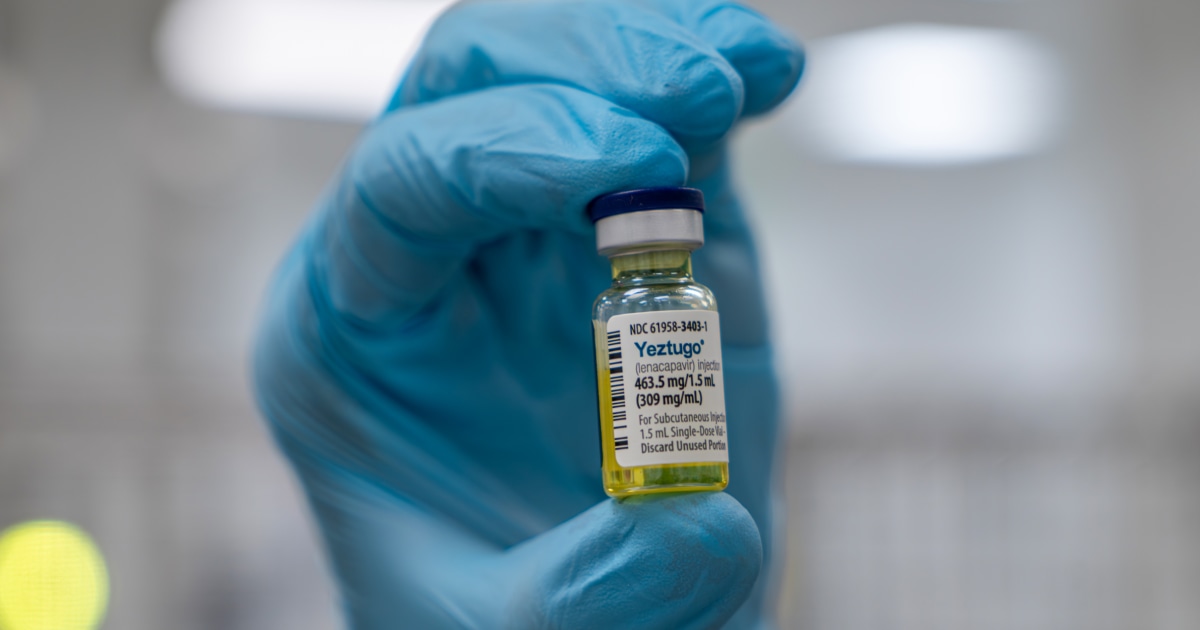
The newly approved drug, called Yeztugo (lenacapavir), promises to be highly effective, according to Gilead Sciences. Clinical trials demonstrated the medication almost eliminated the spread of HIV among participants receiving injections every six months. This new class of antiretrovirals blocks HIV from replicating inside targeted immune cells.
“This is the single best opportunity in 44 years of HIV prevention,”
—Mitchell Warren, AVAC Executive Director
Yeztugo’s advantage lies in its infrequent dosing schedule. The shot only needs to be administered twice a year. This contrasts with the daily pill regimen of current oral pre-exposure prophylaxis (PrEP) drugs, addressing the challenge of adherence.
Mixed Results and Racial Disparities
While promising, existing PrEP methods have seen varied success. Truvada and Descovy, both oral medications, have gained traction among gay and bisexual men, who account for the majority of PrEP users. However, these drugs have had less impact on Black and Latino gay men, who have a significantly higher HIV rate.
The cost of Yeztugo, priced at $14,109 per injection, is another potential barrier. Health insurers might favor cheaper options, like generic Truvada pills. The recent Supreme Court decision concerning the Affordable Care Act also casts uncertainty over insurance coverage for preventative HIV medications.
Political and Financial Hurdles
The drug’s success also faces political hurdles. The proposed 2026 budget includes a 35% cut in domestic HIV funding. Severe federal budget cuts could hinder efforts to educate at-risk populations about lenacapavir and facilitate its use. Another factor is whether individuals at risk of HIV will return for their twice-yearly shots.
The CDC estimates the annual HIV transmission rate decreased by only 17% in the decade after PrEP’s debut. While the “Ending the HIV Epidemic” initiative targeted $3 billion in new HIV spending, PrEP use remains low. Only a fraction of the 1.5 million gay and bisexual men who are candidates are currently using it.
According to a recent report, PrEP use is increasing steadily since 2014. But only 200,000 people were using some form of PrEP in any month of 2023. (CDC 2024).
Hopeful Outlook
Despite the challenges, experts like Susanne Doblecki-Lewis, site principal investigator for the lenacapavir clinical trial, see potential. She emphasizes the importance of easy access and low or no cost to people who can benefit from the drug.
Johanna Mercier, Gilead’s chief commercial officer, is pushing for broad insurance coverage. Gilead will also cover out-of-pocket expenses and offer the drug free to low-income, uninsured individuals. Tristan Schukraft, CEO of Mistr, a telehealth company, plans to offer the drug immediately through its services, including partnerships with community-based clinics.
“We’re ready,” Schukraft said.
