What Is a DVI Port and Why Was It Replaced by HDMI
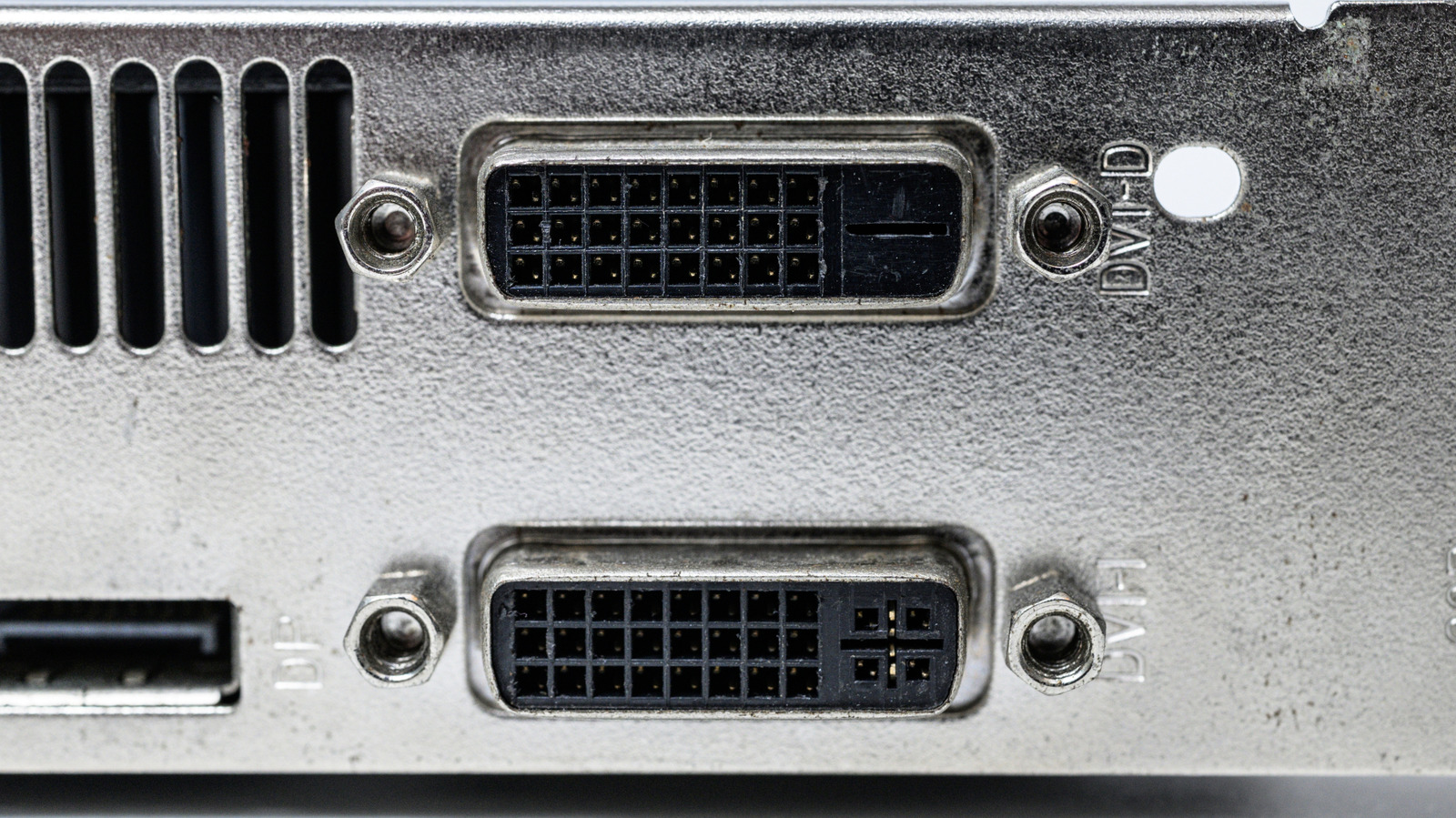
The DVI port is a wide, rectangular computer connection featuring a high number of connector pins designed to send video signals from a desktop computer to an external display.
What Purpose DVI Served on Older PCs
Older desktop models featured the wide connector to deliver digital images straight to compatible monitors without first converting the signal into an analog format. SlashGear reported that DVI gave computers a major advantage over older VGA connections by providing much better image clarity through direct digital transmission.
The port also supported High-Bandwidth Digital Content Protection, known as HDCP. This security feature allowed users to connect a computer to a projector and play protected media like Blu-ray discs.
DVI Cable Types Transmit Different Signals
The hardware came in several distinct configurations to handle different signals, meaning two ports that looked nearly identical might not transmit the same type of data. DVI-A carried analog signals and worked with VGA equipment, while DVI-D was built specifically for digital video.
DVI-I combined both analog and digital connections into a single port. Dual-link DVI cables arrived with extra pins and significantly greater bandwidth to handle heavier display loads.
Why HDMI Replaced the Older Connection
Despite its advantages over VGA, DVI lacked audio transmission capabilities, meaning sound required a separate wiring setup. When HDMI entered the market, it offered a much more convenient solution by combining both audio and video capabilities in one cable.
HDMI eventually grew to support modern standards like 4K and 8K alongside HDR, higher bandwidth, and faster refresh rates. Those capabilities pushed DVI out of regular use by the late 2010s, leaving newer computers equipped with HDMI, DisplayPort, and USB-C connections instead.