What Happens If You Don’t Update Your Car’s Software?
Skipping your car’s software updates can leave safety recalls unfixed and, in some cases, void your warranty on resulting damage, aol.com reported. While manufacturers use over-the-air patches to improve automatic braking and adjust braking distances, ignoring these digital maintenance steps often means living with known bugs and hardware communication issues.
The Tech TL;DR:
- Over-the-air vehicle patches fix critical parameters like braking distance, but ignoring them can void manufacturer warranties on resulting component damage.
- GMC’s 2026 vehicle guidelines require owners to install mandatory software releases within 45 days of availability to maintain full coverage.
- Standard update installations take roughly 20 minutes, though network latency and poor cellular signal reception can extend download cycles.
Over-the-Air Patches Target Safety and Performance
Modern vehicles rely on complex software stacks running on specialized microcontrollers just as much as they depend on internal combustion engines or high-voltage battery arrays. According to aol.com reporting, over-the-air (OTA) updates push critical patches for known bugs, elevate security protocols, and alter fundamental performance parameters such as braking distance. Automakers distribute these releases to refine existing functionalities including automatic braking, cruise control, and lane-assist routines. Skipping these packages means drivers continuously operate machinery with unresolved code defects and unpatched security vulnerabilities.
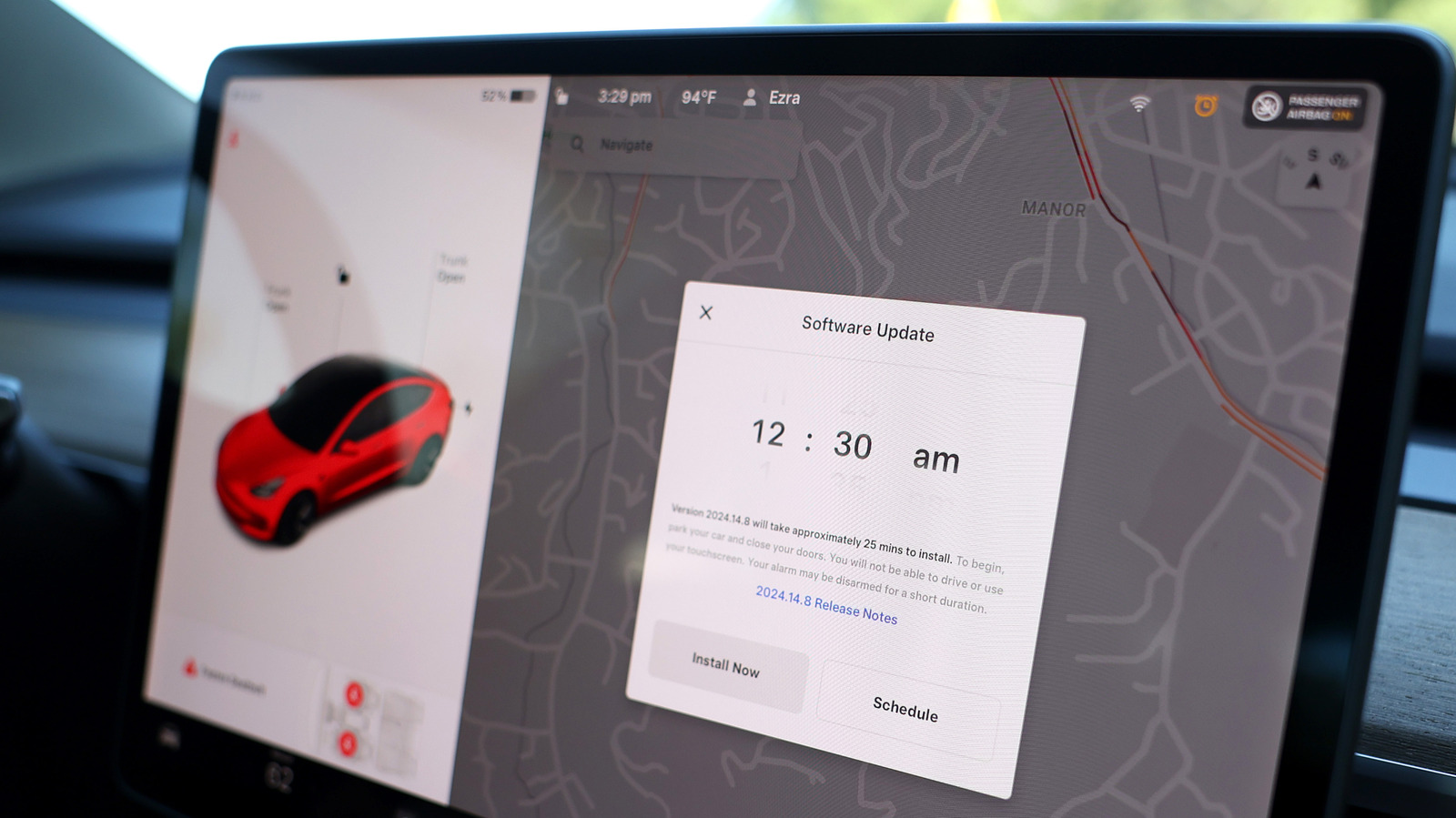
Many modern vehicle architectures require the automobile to remain completely stationary while system images unpack and flash to onboard persistent storage. Convenience features like door and window controls may temporarily cease functioning while core ECUs undergo flashing.

Install Software Updates Within 45 Days to Protect Warranty Coverage
Failing to apply digital patches introduces significant financial liability regarding component warranties. GMC outlines strict parameters in its 2026 Limited Warranty and Owner Assistance Information booklet, stipulating that vehicle owners must ensure all manufacturer-provided OTA software updates are installed within 45 days of availability. The documentation explicitly warns that any hardware damage resulting from a failure to execute these routine software installations is excluded from warranty coverage.
While older vehicles eventually reach end-of-support cycles where manufacturers cease pushing new code packages, the cessation of updates does not stop the vehicle from functioning mechanically. However, drivers of older or neglected software ecosystems permanently miss out on performance refinements and feature optimizations.
Relocate Vehicle to Clear Download Bottlenecks Caused by Poor Reception
Executing vehicle software deployments requires careful timing and stable connectivity. Most standard system packages complete installation routines in approximately 20 minutes. However, network latency and poor cellular reception can significantly hinder download speeds. If an update appears stalled during the download phase, relocating the vehicle to an area with stronger signal reception often clears the bottleneck.

Drivers should always review release notes on the infotainment display before initiating an update cycle to understand anticipated adjustments to dashboard controls and system interfaces. Technical best practices dictate that updates should never be installed from unofficial third-party sources, and updates should be avoided when operating under strict time constraints given that the vehicle may remain immobile during the installation window.