West Virginia Attorney General Closes Environmental Group Investigations After Judge Halts Subpoenas
- Subpoenas sought 10 years of records from six groups starting Sept. 16.
- Judge Goodwin ruled the state consumer law cannot regulate nonprofit advocacy.
- McCuskey closed investigations into WV Rivers Coalition and 350.org on Friday.
- The Attorney General pledged no future probes into the groups’ climate education work.
The Attorney General’s Office issued subpoenas on Sept. 16 to the West Virginia Citizen Action Education Fund and as many as five other environmental organizations, according to The Dominion Post.
Zachary A. Viglianco, director of Strategic Litigation for the office, ordered the groups to produce a decade of internal communications, donor lists, fundraising data, coalition agreements and regulatory filings.
The investigation was conducted under the West Virginia Consumer Credit and Protection Act, a 1974 statute designed to police deceptive practices by for-profit businesses.
McCuskey’s office argued the groups may have deceived donors by using “discredited claims about climate change” to boost fundraising. The subpoenas demanded compliance by Nov. 3.
Federal judge halts investigation
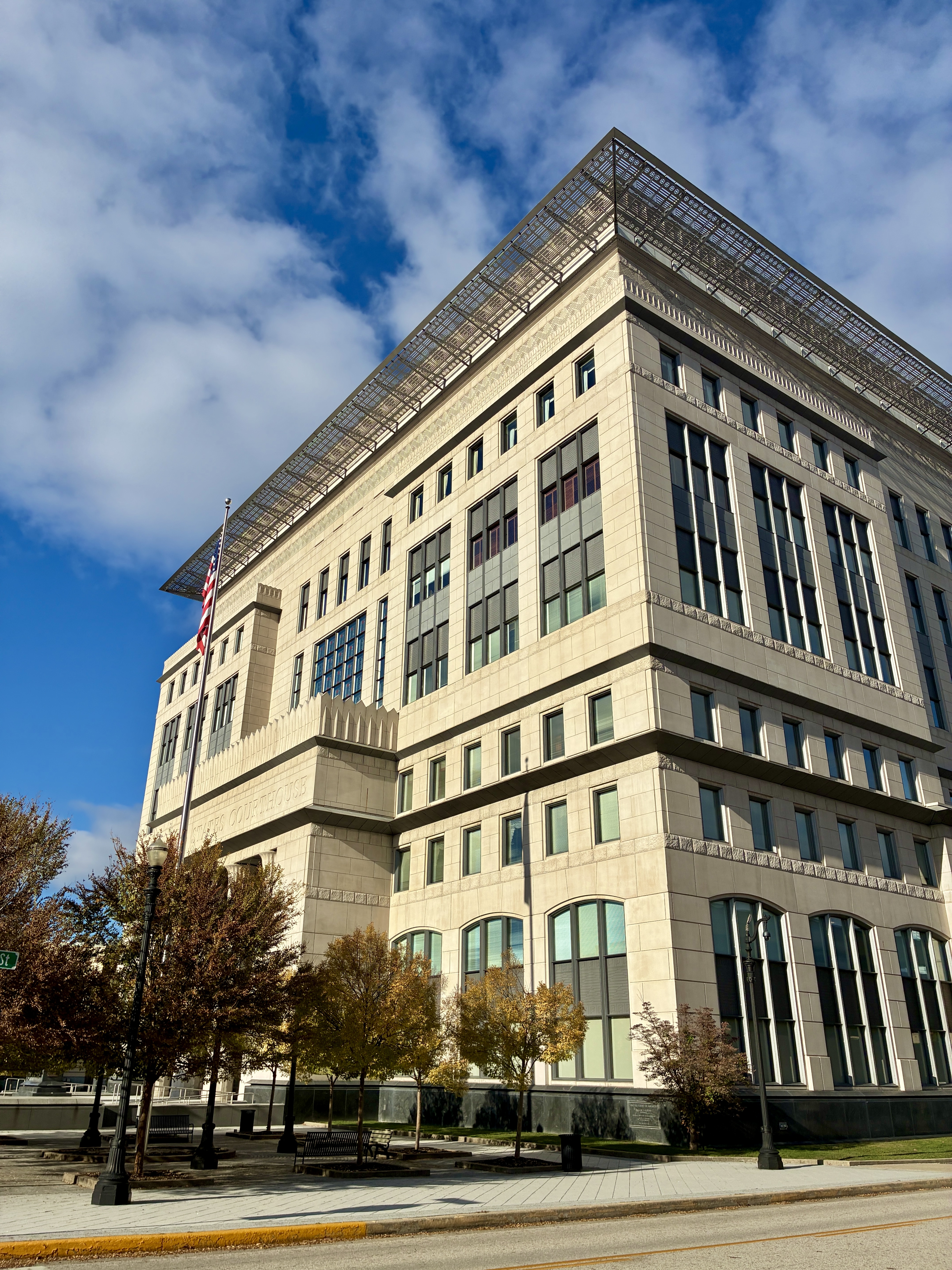
U.S. District Judge Joseph Goodwin granted a temporary restraining order on Oct. 29 blocking enforcement against West Virginia Rivers Coalition and 350.org. In a memorandum opinion, Goodwin wrote that the nonprofits do not engage in commercial trade, placing their speech beyond the reach of the consumer protection law.
“What these organizations do is argue in public about what coal, oil, and gas do to West Virginia’s waters and climate,” Goodwin wrote. “The State’s chief legal officer, who has publicly condemned that advocacy, now demands to know how they reached their views and who stood with them. The First Amendment forbids a State from using its investigative power that way, and I will not allow it while this case is pending.”
Goodwin characterized the subpoenas as a “fishing expedition” in which the Attorney General “has brought dynamite to the lake,” according to West Virginia Watch. The restraining order was extended to Dec. 17.
Attorney General closes investigations
On Friday, McCuskey sent letters to West Virginia Rivers Coalition and 350.org stating he had “closed the investigations” and directed staff to “take no further investigative action of any kind in either matter,” The Dominion Post reported. The West Virginia Citizen Action Group announced Sunday that subpoenas targeting its education fund affiliate had also been withdrawn following negotiations.
“I have closed the investigations captioned (regarding) Investigation of West Virginia Rivers Coalition, Inc. and (regarding) Investigation of 350.org,” McCuskey wrote.
“The closure is effective immediately.”
In a statement Monday, McCuskey said his office “believe[s] in the rule of law, and we respect the Court’s decision,” according to West Virginia Watch. He added that the Consumer Credit and Protection Act remains an important statute, but “in a contest between even the most essential statutory protection and the Constitution, the Constitution must always prevail.”

Attorney General defends investigation
Attorney General J.B. McCuskey’s office argued the subpoenas were a valid investigative step under the West Virginia Consumer Credit and Protection Act, not a lawsuit, according to West Virginia Watch. His office contended it was acting on information that groups made “false and misleading statements to raise money,” the source reported.
“It makes me nervous that people can’t say things that are ignorant,” Judge Goodwin told Donovan in court, as reported by WFXR-TV. Ryan Donovan, counsel for the Attorney General, defended the subpoenas as narrow, claiming the groups used contested studies to solicit donations, the article stated.
Goodwin subpoenas called retaliatory
Attorneys for the environmental groups argued in court the subpoenas were a “fishing expedition” and violated their First Amendment rights, WFXR-TV reported. Goodwin wrote that McCuskey “has brought dynamite to the lake” in an overly broad investigation, the article stated.
David McMahon, an attorney who occasionally works with the groups, told 13 News the subpoenas sought a decade of his emails, saying, “The energy companies are not consumers.” A Sierra Club representative also confirmed their subpoena was withdrawn, the article reported.
Groups cite constitutional victory
“Nonprofit organizations must be able to educate, engage communities, participate in matters of public concern, and speak freely with partners without fear of becoming targets of government investigation for exercising constitutional rights,” said Dani Parent, executive director of the West Virginia Citizen Action Education Fund and West Virginia Citizen Action Group. “Free speech and the right to associate with others are fundamental to a healthy democracy.”
McCuskey’s Friday letters also committed the office to a binding policy against future investigations into the groups’ work educating the public about climate change and greenhouse gas emissions, West Virginia Watch reported. “This commitment is an act of the Office, not a personal undertaking,” McCuskey wrote. “It binds the Office and all of its current and future officers, employees and agents acting on its behalf.”