West Nile Virus Confirmed in Espanola Crow Raises Public Health Awareness
Public Health Sudbury and Districts confirmed that an American crow in the Espanola area has tested positive for West Nile virus. The finding marks the first time an infected bird has been identified in the region since 2025, according to local health authorities tracking vector-borne pathogens.
- An American crow in the Espanola area tested positive for West Nile virus, marking the region’s first avian case since 2025.
- Public health officials note that while the overall risk of human infection remains low, late summer represents the peak window for mosquito-borne transmission.
- Medical authorities recommend utilizing window screens, eliminating standing water, wearing light-colored protective clothing, and applying approved insect repellents.
The discovery serves as an active biological indicator for the region. Rachel O’Donnell, an Environmental Support Officer at Public Health Sudbury & Districts, explained to CTV News that positive bird tests act as an early warning sign that the virus is actively circulating in the local environment. Jonathan Groulx, a manager with the public health authority, added that the last confirmed human case of West Nile virus in the district occurred in 2023. While most human infections remain asymptomatic, patients can occasionally present with mild clinical manifestations such as fever, headache, body aches, a mild rash, or swollen lymph glands. In rare instances, neuroinvasive disease such as West Nile encephalitis can develop, leading to brain inflammation and severe clinical complications.
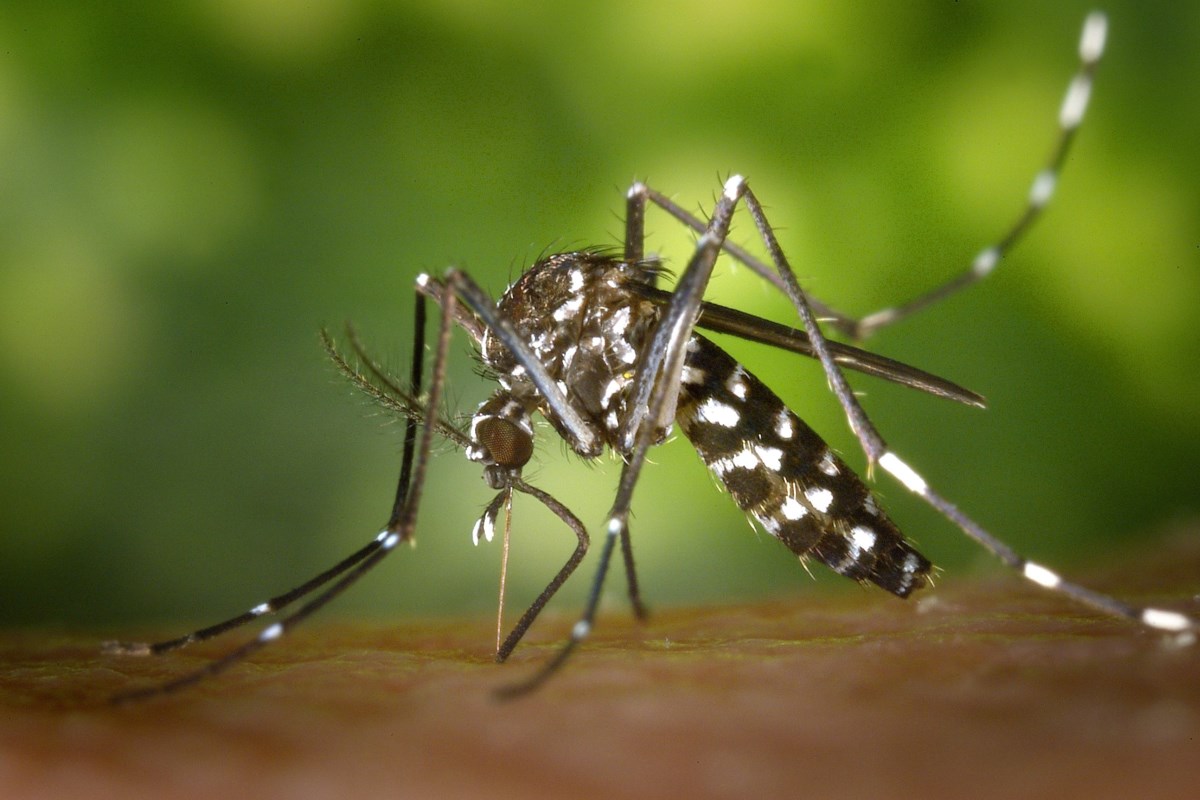
Epidemiological patterns indicate that seasonal timing plays a critical role in exposure risk. Public Health notes that late summer brings the highest risk for contracting the virus, as mosquito populations carry elevated viral loads and human outdoor activity increases. Dr. Fiona Hunter, a professor of medical and veterinary entomology at Brock University, noted in regional reporting that West Nile virus functions primarily as an avian disease. Mosquitoes acquire the pathogen by feeding on infected birds and occasionally transmit it to mammalian hosts, including humans, when feeding habits overlap. However, Dr. Hunter pointed out that current infection rates do not mirror peak outbreak years, which typically feature substantially higher numbers of positive mosquito pools.
To mitigate infection risks, health agencies advise residents to implement targeted environmental and personal protections. Homeowners should inspect and repair window and door screens to deter indoor vector entry and systematically eliminate standing water sources that serve as larval breeding grounds. Personal prevention strategies involve wearing light-colored, long-sleeved shirts, long pants, socks, and closed footwear, particularly during peak vector feeding periods from dusk to dawn. Public health guidance also recommends applying approved insect repellents in accordance with manufacturer instructions. Residents who observe dead birds in the community are directed to contact the Canadian Wildlife Health Cooperative at 1-866-673-4781 or submit reports online via the Canadian Wildlife Health Cooperative reporting tool. For further inquiries, Public Health Sudbury & Districts can be reached at 705-522-9200 or toll-free at 1-866-522-9200.

As vector monitoring continues, individuals displaying acute neurological symptoms or persistent febrile illness following potential mosquito exposure should seek formal clinical evaluation.
*Disclaimer: The information provided in this article is for educational and scientific communication purposes only and does not constitute medical advice. Always consult with a qualified healthcare provider regarding any medical condition, diagnosis, or treatment plan.*