West Nile Virus Cases Rise in Italy as Novara Becomes Epicentre in Piedmont
Public health authorities in Italy have confirmed a surge in West Nile virus infections, recording 226 confirmed cases and 7 deaths nationwide since the beginning of the year, according to data from the Istituto Superiore di Sanità (ISS). In Piedmont, the cumulative count reached 13 cases, with the province of Novara emerging as the primary regional epicenter for transmission.
- Novara leads Piedmont with local transmission resulting in two fatalities among elderly residents, according to the local health authority (ASL Novara).
- Clinical manifestations remain largely asymptomatic in roughly 80% of infected individuals, while severe neuroinvasive forms target primarily older or immunocompromised patients.
Epidemiological Tracking and Regional Distribution in Piedmont
The transmission dynamics in Novara underscore active local circulation rather than imported travel cases. According to Edoardo Moia, director of the public hygiene and health service (Sisp) at ASL Novara, two fatalities have been recorded in the provincial territory. The first victim, an 80-year-old resident of the Sacro Cuore district, had no recent travel history outside the Novara area prior to symptom onset. A second fatality involving an individual over 85 occurred subsequently, prompting intensive epidemiological reviews by regional public health agencies.
Regional distribution figures compiled by the epidemiological service Seremi show Piedmont accounting for 13 total cases, with Novara concentrating the highest share. Additional infections are distributed across the Vercelli, Alessandria, and Turin areas. Nationally, parallel reports from outlets such as Il Sole 24 Ore highlight that the overall number of cases across Italy remains elevated compared to historical baselines, though variable year-on-year.
Pathogenesis, Viral Vectors, and Clinical Presentations
Transmission does not occur directly between humans. Following an incubation period ranging from 2 to 14 days, the vast majority of infections remain subclinical or pass unnoticed.

According to clinical assessments provided by public health officials, roughly 20 percent of symptomatic individuals experience mild manifestations such as pyrexia, nausea, emesis, cephalalgia, or lymphadenopathy. Severe neuroinvasive complications—including encephalitis or meningitis—affect less than one percent of infected persons, manifesting primarily in elderly populations or patients with preexisting comorbidities.
Vector Control Measures and Institutional Response
In response to the concentration of cases, local health authorities have implemented mandatory vector-control interventions. ASL Novara has mandated adulticide disinfestations for public outdoor events, village festivals, and market gatherings that draw large crowds. Similar containment protocols, including environmental sanitation, have been deployed in Lazio and Rome following localized case identifications.

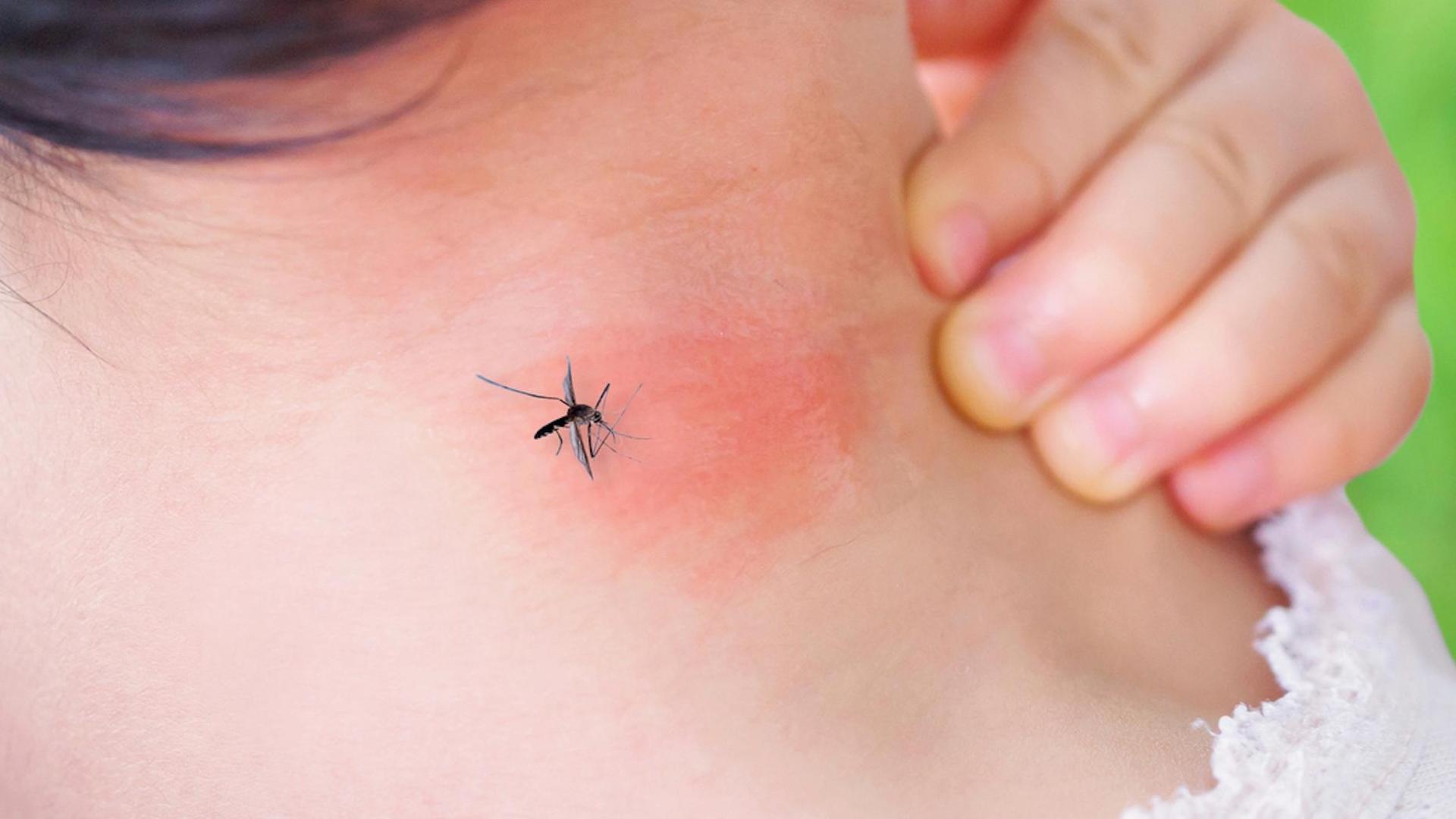
Climatic factors, specifically high ambient temperatures accelerating larval maturation in stagnant water collections, continue to exacerbate vector proliferation. Public health agencies advise private citizens to eliminate small water stagnation points in domestic gardens, clean drainage containers, and utilize approved insect repellents.
Disclaimer: The information provided in this article is for educational and scientific communication purposes only and does not constitute medical advice. Always consult with a qualified healthcare provider regarding any medical condition, diagnosis, or treatment plan.