
West Coast Marine Heatwave & El Niño: What It Means for Surfing 2026
West Coast Braces for Return of ‘The Blob’ Marine Heatwave, Potential El Niño Intensification
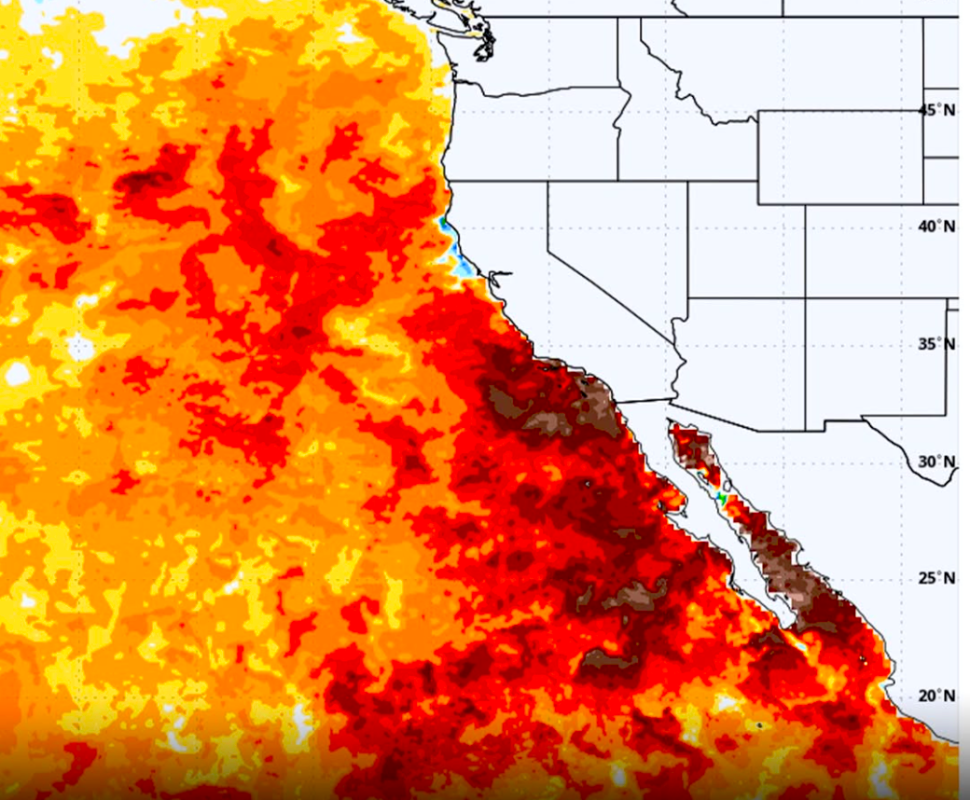
Southern California recently experienced a heatwave breaking temperature records for this time of year, with thermometers approaching triple digits, although simultaneously, unusually warm ocean temperatures are developing off the West Coast, prompting NOAA to issue warnings about a potentially significant marine heatwave.
The current warming trend is being compared to the notorious “Blob” marine heatwave that impacted the region from 2013 to 2016. NOAA Fisheries and its partners are actively monitoring the situation, with concerns focused on potential ecological impacts, including harmful algal blooms that can sicken marine mammals and lead to the closure of shellfish fisheries, according to a recent agency report.
This latest marine heatwave, designated NEP25A, emerged in May 2025 and reached a maximum size of approximately 10 million square kilometers on September 10, 2025. As of March 10, 2026, NOAA continues to track its progression. Scientists from NOAA’s Southwest Fisheries Science Center have developed a tool, the California Current Marine Heatwave Tracker (Blobtracker), to monitor and provide historical context for these events.
Marine heatwaves are defined as periods of unusually warm ocean temperatures lasting for an extended time, specifically measured by the difference between current temperatures and expected temperatures for a given location and season. These events are increasingly studied globally due to their effects on ecosystem structure, biodiversity, and regional economies.
The Blob, first identified in 2014, persisted until mid-2016 and was unique in the history of monitoring the California Current. Researchers documented ecological consequences including unprecedented harmful algal blooms, shifts in marine life distribution, and changes within the marine food web. Large marine heatwaves have occurred annually for the past six years (2019-2024), typically beginning in the spring in the open North Pacific and impacting the US West Coast in the fall, before dissipating during late winter.
Adding to the concerns, NOAA predicts a transition from the current La Niña conditions to ENSO-neutral within the next month, with a 62% probability of El Niño developing between June and August 2026. This potential El Niño could lead to an active swell season for surfers, but likewise carries broader implications for weather patterns and marine ecosystems.
While the current marine heatwave has not yet caused significant heatwaves on land, warmer waters can weaken the North Pacific Subtropical High, potentially reducing winds and evaporation cooling, and influencing weather patterns over time. Upwelling of cooler, deeper waters currently mitigates the impact of the warm water on land temperatures.
NOAA is continuing to monitor NEP25A and its potential impacts, with the next update scheduled for release following further data analysis.