Weill Cornell researchers identify stem cells fueling spinal stenosis
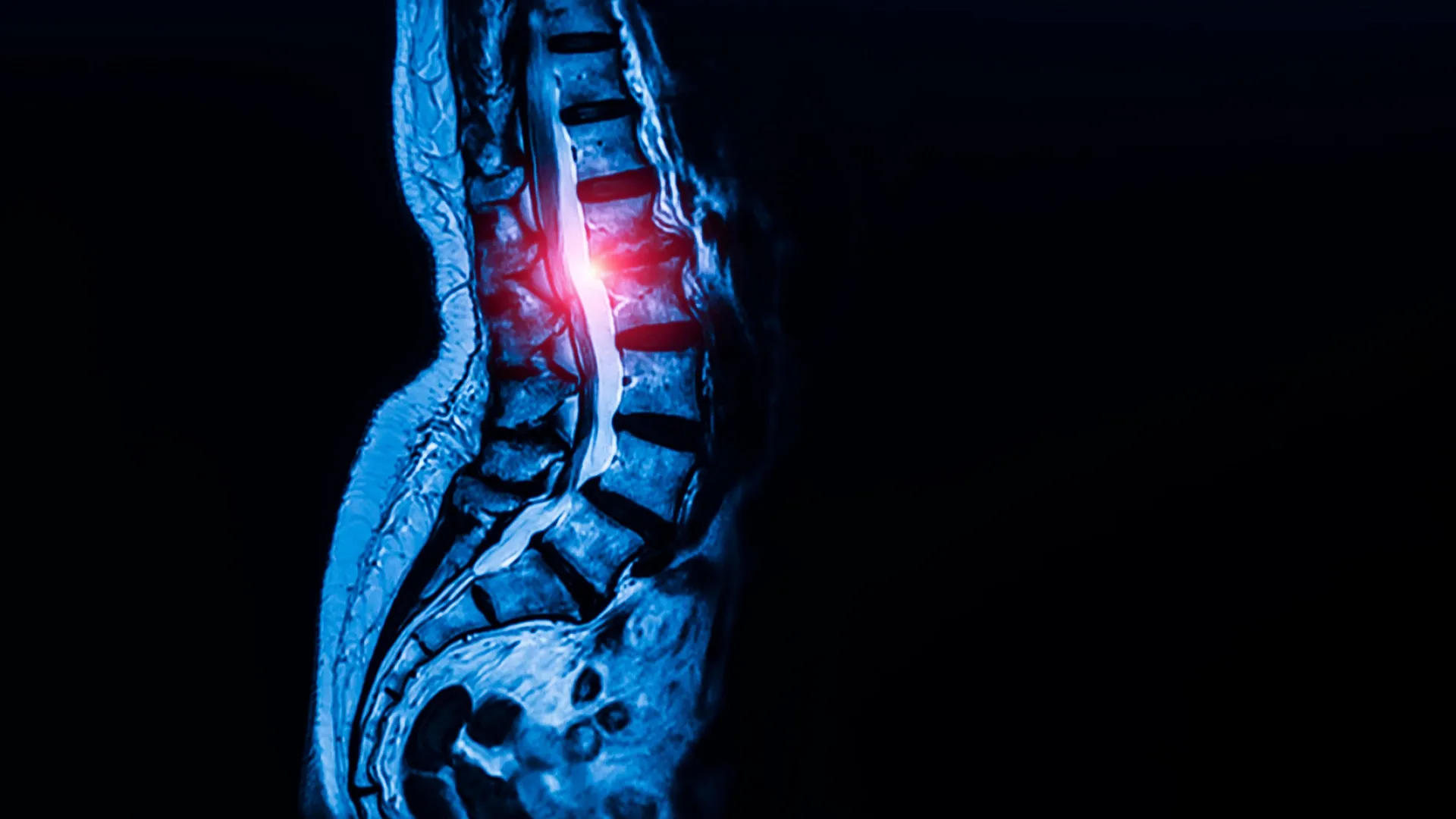
Researchers at Weill Cornell Medicine and Hospital for Special Surgery have identified a previously elusive population of stem cells that produces the body’s tendons and ligaments, the connective tissues linking muscles and bones. Published in the journal Cell on September 7, the findings show these cells can become overactive in the lower spine, potentially fueling lumbar spinal stenosis. The condition affects an estimated 103 million people worldwide, developing when thickened ligaments reduce space inside the spinal canal and compress nerves to cause pain, numbness, and difficulty walking.
- Researchers discovered a universal stem cell population responsible for generating tendons and ligaments throughout the human body.
- In the lower spine, these stem cells can become overactive and exhibit heightened calcium signaling, contributing to the ligament thickening seen in lumbar spinal stenosis.
- Targeting these specific cells opens a mechanistic path for treating spinal stenosis, with potential therapeutic avenues involving existing blood pressure medications.
Unlocking the Cellular Origins of Tendons and Ligaments
Finding an equivalent stem cell for tendons and ligaments had long eluded scientists because these tissues contain dense populations of look-alike fibroblast-like cells. To isolate the correct population, Dr. Matthew Greenblatt and his colleagues analyzed thousands of individual cells, sorting them by type to identify which possessed properties of “stemness”—the capacity to continually renew while producing mature cells for tissue maintenance. In mice, the team located these cells residing within specialized reservoirs inside tendons and ligaments.
To confirm human relevance, the research team examined human ligament samples removed during surgery by Dr. Sravisht Iyer from patients who provided informed consent. Led by postdoctoral fellow Dr. Lingling Hu, the investigators verified that the human cells could both self-renew and generate ligament cells. The team also located the same population in the kneecap ligament and the Achilles tendon, identifying them as universal stem cells for connective tissues across the body.

Cellular Overactivity and Calcium Signaling in Spinal Stenosis
To investigate the link to lumbar spinal stenosis, the researchers compared stem cells harvested from patients with the condition against spinal ligaments collected from individuals with herniated discs who showed no signs of stenosis. Ligaments sourced from stenosis patients contained significantly higher quantities of the newly identified stem cells. When transplanted into mice, these cells produced an excess of tendon cells compared to control samples.
Microscopic examination of the stenosis-associated stem cells revealed heightened calcium signaling relative to healthy cells. This mechanistic insight points toward potential pharmacological interventions. According to the research findings, reducing calcium signaling halted abnormal tissue growth in animal models, suggesting that existing drugs utilized to control high pressure in blood vessels could be repurposed to target this pathway.
Shifting from Surgical Interventions to Mechanistic Care
Identifying this specialized stem cell population establishes a framework for early, mechanism-based interventions rather than waiting for structural degeneration to necessitate invasive procedures.
Disclaimer: The information provided in this article is for educational and scientific communication purposes only and does not constitute medical advice. Always consult with a qualified healthcare provider regarding any medical condition, diagnosis, or treatment plan.
