Weight Regain After Stopping Weight Loss Pens
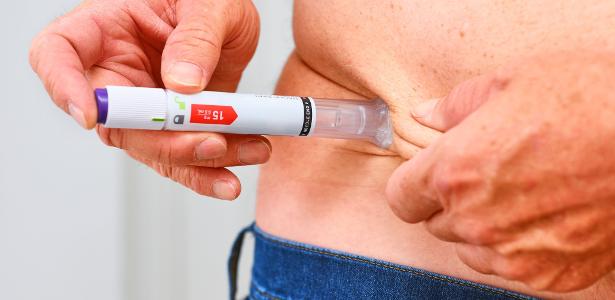
Discontinuing glucagon-like peptide-1 receptor agonists, commonly known as slimming pens, frequently triggers rapid weight regain and metabolic rebound, according to clinical reporting by UOL Notícias. As patients stop pharmacological treatment for obesity, the underlying chronic pathogenesis of metabolic dysregulation often reasserts itself, creating a profound clinical challenge for long-term weight management.
Key Clinical Takeaways:
- Stopping weight-loss pens without concurrent lifestyle interventions often leads to rapid weight regain and a return of pre-treatment metabolic baselines.
- Obesity is managed globally as a chronic condition requiring sustained therapeutic strategies rather than acute pharmacological interventions.
- Patients encountering weight fluctuations after discontinuing medication should consult specialized endocrinologists or clinical dietitians.
Understanding the Physiological Mechanism of Weight Regain
The sudden cessation of incretin-mimetics removes the pharmacological suppression of appetite and glycemic control maintained by the drug. Clinical data published in the New England Journal of Medicine demonstrates that patients frequently regain a significant portion of lost weight within months of stopping treatment, highlighting the chronic nature of metabolic adaptation. Without ongoing pharmacological support or established behavioral modifications, homeostatic mechanisms drive the body back toward its highest previous set point.
This physiological rebound underscores why healthcare providers view anti-obesity medications as long-term therapies rather than short-term fixes. When prescribing or tapering these agents, physicians must evaluate individual contraindications, metabolic profiles, and adherence risks. For individuals navigating these transitions, partnering with a vetted bariatric endocrinology clinic ensures that nutritional and pharmacological adjustments are monitored safely.
Evaluating Public Health Strategies and Clinical Care Standards
Addressing post-medication weight gain requires a shift in standard care protocols across outpatient facilities. Epidemiological reviews emphasize that standard-of-care guidelines must incorporate structured step-down programs to mitigate morbidity associated with rapid weight fluctuation. Clinicians must actively monitor biomarkers such as glycemic index, lipid panels, and blood pressure during dose reductions.
Navigating these complex therapeutic adjustments demands robust clinical oversight. Healthcare facilities and patients alike benefit from consulting with specialized metabolic health centers to develop comprehensive, individualized care plans that extend beyond initial pharmacological treatment.
The future trajectory of obesity medicine relies on personalized tapering schedules and combination therapies designed to sustain long-term metabolic health. As clinical research advances, maintaining close collaboration with vetted board-certified metabolic specialists remains the most effective strategy for managing the challenges of post-medication weight trajectories.
*Disclaimer: The information provided in this article is for educational and scientific communication purposes only and does not constitute medical advice. Always consult with a qualified healthcare provider regarding any medical condition, diagnosis, or treatment plan.*