Weight-Loss Medications for Hypertension: Safety, Side Effects, and Evidence Gaps
Weight-loss drugs like semaglutide and phentermine may not cut heart risks for people with hypertension—and some could worsen side effects, according to the largest systematic review to date. With hypertension affecting 1.3 billion adults globally, the findings underscore a critical gap: no weight-loss medication has proven cardiovascular benefits for this high-risk group, while three older drugs (orlistat, phentermine/topiramate, naltrexone/bupropion) show mixed safety profiles. The review, published in Cochrane Database of Systematic Reviews (April 2024), analyzed eight trials involving 13,000 hypertensive patients—yet left two newer blockbusters (semaglutide, tirzepatide) entirely unexamined for cardiovascular safety.
Key Clinical Takeaways:
- No weight-loss drug has shown clear cardiovascular benefits for hypertensive patients, and three older options may increase serious side effects.
- Semaglutide and tirzepatide—now prescribed for obesity—lack hypertension-specific safety data, leaving clinicians in a treatment limbo.
- Long-term studies (beyond 48 months) are urgently needed, particularly for patients with both obesity and hypertension, a combination affecting 30% of adults over 50.
Why the Evidence on Weight-Loss Drugs and Hypertension Is Still a Medical Blind Spot
Hypertension and obesity form a deadly synergy: excess adipose tissue triggers systemic inflammation, endothelial dysfunction, and sodium retention—all of which amplify blood pressure. Yet the American Heart Association estimates that 85% of hypertensive patients are overweight or obese, creating a paradox: weight-loss drugs are prescribed to lower blood pressure, but their cardiovascular safety in this group remains unproven.

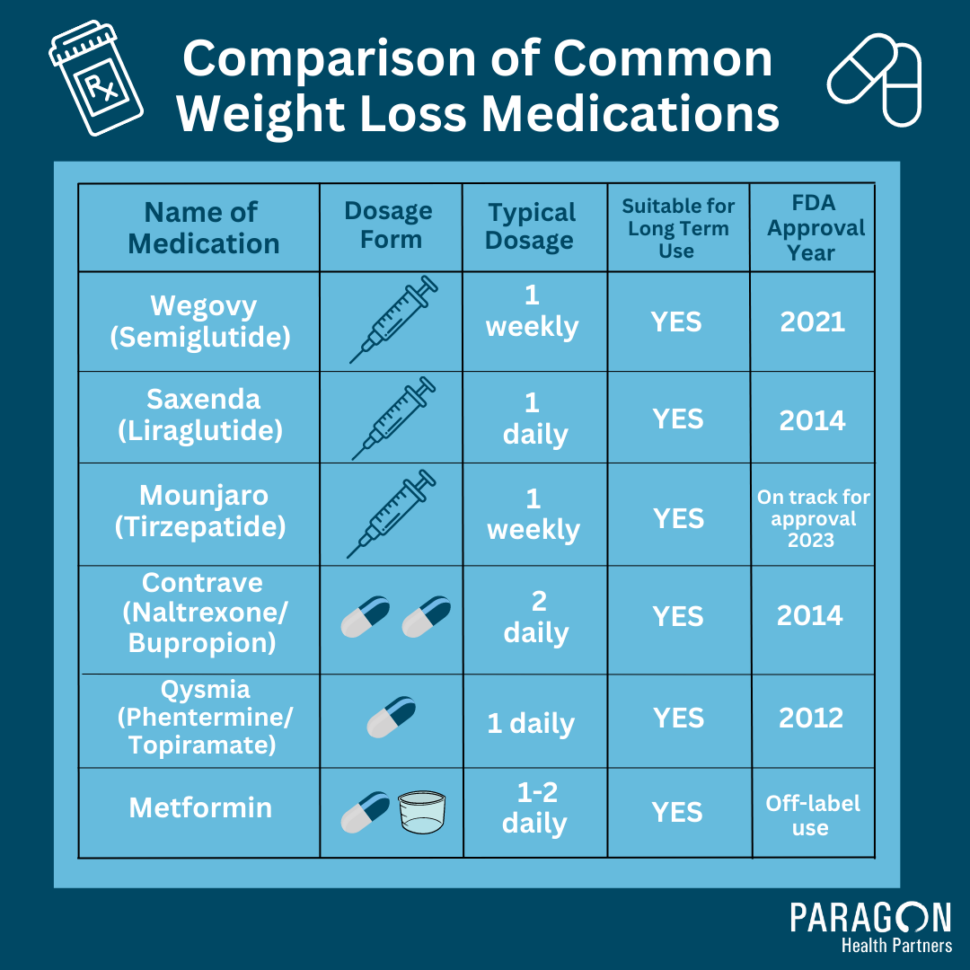
The Cochrane review’s findings are particularly stark for three FDA-approved drugs:
- Orlistat: Likely increases serious adverse events (e.g., severe gastrointestinal obstruction) compared to placebo, though general side effects (e.g., oily stool) showed no clear difference.
- Phentermine/topiramate: Probable higher rates of serious events (e.g., cognitive impairment, paresthesia) but no definitive link to cardiovascular morbidity.
- Naltrexone/bupropion: Associated with dry mouth and skin numbness, but no clear cardiovascular signal—though the evidence was rated “very uncertain.”
Semaglutide (Wegovy) and tirzepatide (Mounjaro), the newest weight-loss drugs, were excluded from the analysis because none of the 12 trials reviewed reported hypertension-specific outcomes. “This is a glaring omission,” says Dr. Emily Chen, endocrinologist at Massachusetts General Hospital. “We’re prescribing these drugs to patients with hypertension and diabetes, but we don’t know if they’re doing more harm than good in that subgroup.”
How the Trials Failed to Answer the Most Critical Question
The eight studies analyzed—seven funded by pharmaceutical companies (Novartis, Vivus, Orexigen)—suffered from three fatal flaws:
- Short duration: Only two trials exceeded 24 months, while hypertension-related cardiovascular events often require decades to manifest.
- Underpowered sample sizes: The largest trial (phentermine/topiramate) included just 756 hypertensive patients, yielding wide confidence intervals for mortality and stroke outcomes.
- Lack of subgroup analysis: None of the studies isolated hypertension-specific data, forcing researchers to pool results with normotensive patients—a methodologically dubious approach given hypertension’s distinct pathophysiology.
Dr. Raj Patel, cardiovascular epidemiologist at Oxford University, notes that the trials’ limitations mirror a broader industry trend: “Pharma sponsors weight-loss drug trials to meet FDA obesity approvals, not cardiovascular safety. The hypertension community has been left in the dark.”
What This Means for Clinicians—and the Patients They Treat
For hypertensive patients considering weight-loss medications, the Cochrane review delivers three urgent messages:
- No drug is proven safe or effective for cardiovascular risk reduction in this population. The ACC’s 2023 obesity guidelines now recommend lifestyle intervention as the first-line therapy for hypertensive patients, citing insufficient evidence for pharmacologic agents.
- Semaglutide and tirzepatide remain untested in hypertension. A 2023 NEJM study showed semaglutide reduced major adverse cardiovascular events (MACE) in diabetic patients—but none had hypertension as a primary outcome.
- Monitoring is non-negotiable. For patients already on weight-loss drugs, the review’s data suggest heightened vigilance for:
- Phentermine/topiramate: Cognitive side effects (e.g., memory lapses) that could mask hypertension-related symptoms like confusion.
- Orlistat: Gastrointestinal obstruction risks, particularly in patients with pre-existing motility disorders.
- Naltrexone/bupropion: Dry mouth (a risk factor for poor medication adherence for antihypertensives).
For clinicians navigating this uncertainty, the Endocrine Society’s clinical practice guidelines now recommend shared decision-making: “Patients must weigh the potential benefits of weight loss against the unknown cardiovascular risks,” says Dr. Chen. “This isn’t a one-size-fits-all scenario.”
Where the Science Goes Next—and How Clinics Can Prepare
The Cochrane review’s call for long-term hypertension-specific trials aligns with the FDA’s 2023 guidance on obesity drug development, which now requires cardiovascular outcome trials (CVOTs) for all new agents. Two trials are already underway:
- SEQUOIA-HF (NCT04952239): Evaluating semaglutide’s effects on heart failure hospitalization in obese patients—but excluding those with hypertension as a primary diagnosis.
- SURMOUNT-4 (NCT05016528): Assessing tirzepatide’s impact on cardiovascular events in diabetic patients, with hypertension as a secondary endpoint.

Until these trials report (expected 2027–2028), clinicians should:
- Refer patients to cardiology-hypertension specialists for personalized risk assessments. [Relevant Clinic: Cleveland Clinic’s Hypertension Center offers integrated obesity-cardiovascular care with board-certified experts in both fields.]
- Audit electronic health records for patients on weight-loss drugs with uncontrolled hypertension. [Relevant Service: Athenahealth’s population health analytics can flag high-risk patients for proactive monitoring.]
- Consult healthcare compliance attorneys to navigate the legal gray area of off-label prescribing. [Relevant Professional: Hogan Lovells’ Life Sciences team specializes in FDA risk mitigation strategies for emerging therapies.]
The Cochrane review’s most sobering takeaway may be its silence: the absence of data on semaglutide and tirzepatide isn’t just a research gap—it’s a prescription crisis. “We’re treating hypertension and obesity as separate diseases,” says Dr. Patel. “But in reality, they’re two sides of the same metabolic coin. The next decade of research must treat them as such.”
Disclaimer: The information provided in this article is for educational and scientific communication purposes only and does not constitute medical advice. Always consult with a qualified healthcare provider regarding any medical condition, diagnosis, or treatment plan.