
Weight Loss Jabs: Women & Middle Class Dominate Uptake, Inequality Concerns Rise
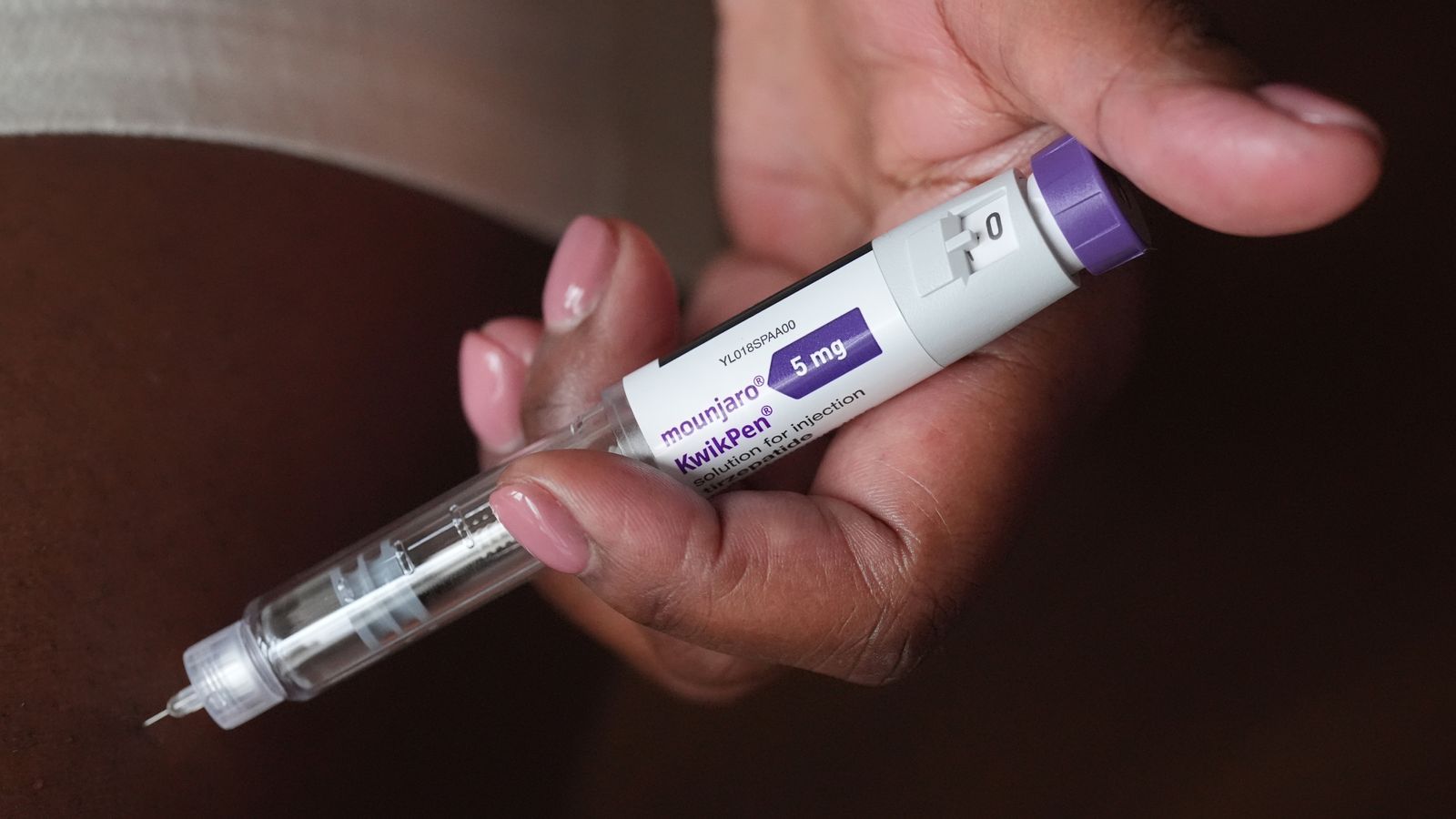
Weight loss jabs are disproportionately being accessed by women and those in the middle classes, despite higher obesity rates among more deprived communities, according to latest research published Wednesday.
Analysis of 113,630 private prescriptions for GLP-1 drugs like Mounjaro and Wegovy, issued between November 2024 and October 2025, revealed that almost 80 per cent were for female patients. The highest uptake was observed among men and women aged 30 to 49, with demand falling sharply after age 60, the Health Foundation and Voy, an online weight management provider, found.
The study as well highlighted a significant disparity in access based on socioeconomic status. Individuals in the most deprived areas were around a third less likely to receive the jabs compared to those in the least deprived areas. This inequity exists despite obesity being twice as prevalent in more deprived regions.
Among 30 to 49-year-olds in the most deprived areas, 45 per cent began treatment with a body mass index (BMI) of 35 or above, compared to 30 per cent in the least deprived areas. Samantha Field, senior fellow in prevention at the Health Foundation and co-author of the research, said this suggests people are getting the drugs later, potentially increasing health risks. “The groups bearing the greatest burden of obesity are seeking GLP-1 treatments less frequently, and often at higher BMIs,” she stated.
The findings come as the National Health Service (NHS) is implementing a phased rollout of Mounjaro, a process expected to take 12 years. The initial three years prioritize approximately 220,000 patients with a BMI over 40, or those with related health conditions such as high blood pressure and type 2 diabetes. An NHS spokesperson defended the prioritization, stating it was “right those in the greatest clinical need” were treated first, and added the service was “exploring ways to accelerate the offering” to reach eligible individuals across England.
The vast majority of those currently using the medications in the UK are paying for them privately, and research suggests continued use may be required for sustained weight loss. The Health Foundation estimates that 2.4 million people in the UK are already prescribed weight loss medications.
Field warned that with such widespread prescription, “our findings reveal a stark divide,” and emphasized the importance of government focus on preventative measures, such as healthy eating. A recent ban on junk food advertising, covering items like soft drinks and chocolate, came into effect last month.