
Weight Loss Drugs May Reduce Alcohol-Related Hospital Admissions
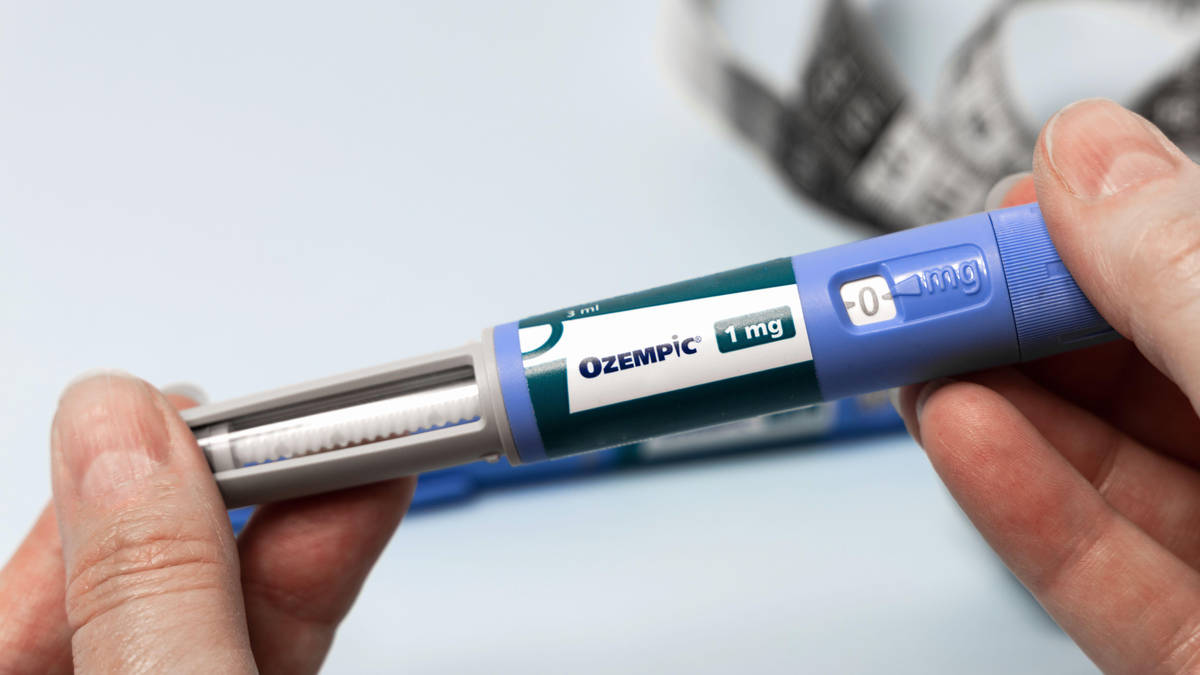
A new analysis published in the journal BMJ Open reveals that glucagon-like peptide-1 (GLP-1) receptor agonists, including popular weight loss and diabetes medications like Wegovy and Mounjaro, are associated with a significant reduction in alcohol-related hospital admissions. Researchers analyzing extensive health data found that patients taking these treatments experienced drops in hospital visits ranging from 26% to 65% depending on their specific health profiles, opening potential new pathways for addressing alcohol use disorder.
Data Analysis From BMJ Open Reveals Substantial Risk Reductions
The study examined data from 40,703 individuals who began taking semaglutide or tirzepatide between January 2018 and December 2024. According to findings reported by the Independent, GLP-1 drugs were associated with a 26% lower risk of alcohol-related hospital admission compared with other diabetes medications.

For individuals utilizing the medications explicitly for weight loss, the risk dropped further to 32% lower compared with alternative obesity medications. The most dramatic reductions appeared in patients with pre-existing dual conditions. Type 2 diabetics with alcohol problems experienced a 63% lower risk of hospital admission, while obese individuals dealing with alcohol problems saw a 65% reduction.
The latest available figures show there were more than one million hospital admissions related to alcohol in England in the 2023/24 period.
Clinical Context and Expert Perspectives on Observational Findings
Researchers writing in BMJ Open stated that the data “may suggest a potential role” for GLP-1 medications in the context of alcohol use disorder, though they emphasized that further research is required to establish definitive cause and effect.
Colin Angus, professor of alcohol policy at the Sheffield University Addictions Research Group, provided analysis.
“This looks like a reasonable study that adds to a growing body of evidence that GLP-1s may reduce alcohol-related harm,” Colin Angus said. However, he noted important confounding variables in the observational data.
“This is a US-based observational study, and newer GLP-1s are expensive treatments, meaning there may well be some important differences between the people taking GLP-1s and those not taking them that may not be fully controlled for,” Angus explained. “For example, it is more likely that people from more affluent groups, with better health insurance, can afford them. The authors of the study acknowledge this.”