
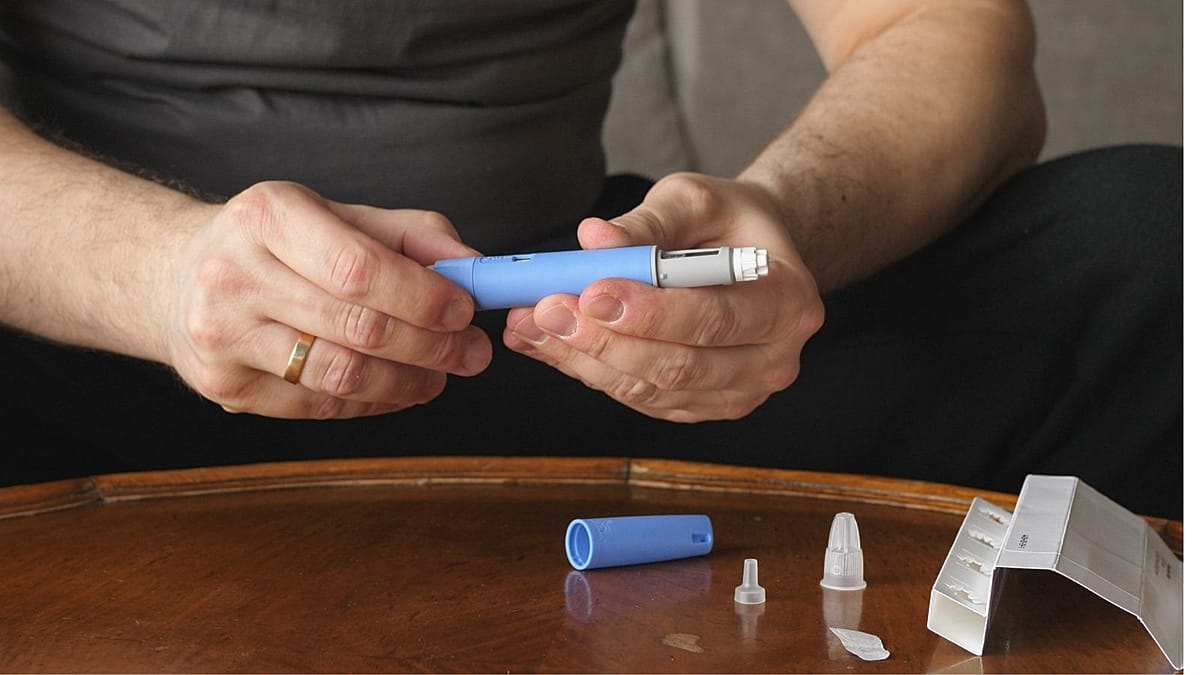
Weight-loss drugs are showing promise in helping patients recover from heart attacks, according to research published this week in Nature Communications. The study indicates that glucagon-like peptide-1 (GLP-1) receptor agonists may prevent further tissue damage and reduce the risk of life-threatening complications following a cardiac event.
Researchers at Bristol Medical School found that GLP-1 agonists could prevent “no-reflow,” a condition where blood flow is restricted to parts of the heart muscle even after the blocked artery has been cleared during treatment. Lead author Svetlana Mastitskaya explained that in nearly half of all heart attack patients, tiny blood vessels within the heart muscle remain narrowed, contributing to ongoing damage.
The team’s experiments, conducted on rodents and validated using human heart cells grown in the lab, revealed that GLP-1 drugs improve blood flow by activating potassium channels and relaxing pericytes – the muscle cells surrounding blood vessels in the heart. This relaxation allows constricted vessels to dilate, reducing the risk of further heart damage.
GLP-1 receptor agonists work by mimicking the effects of the naturally occurring GLP-1 hormone, which regulates appetite and blood sugar. These drugs have become widely known for their use in treating type 2 diabetes and assisting with weight loss.
The potential of GLP-1 drugs to improve cardiovascular health has been gaining recognition. In 2024, the U.S. Food and Drug Administration (FDA) approved Wegovy, a semaglutide GLP-1 drug, to reduce the risk of stroke, heart attack, and other cardiovascular diseases. Recent clinical trials have demonstrated that the cardiovascular benefits of these drugs are independent of weight loss, with patients experiencing significantly fewer heart attacks and strokes regardless of their initial weight.
Researchers believe GLP-1 drugs may reduce heart health risks by reducing inflammation, improving blood pressure control, lowering cholesterol levels, and supporting overall blood vessel health. A study published in Frontiers in Clinical Diabetes and Healthcare in December 2023, further supports the broader cardiovascular benefits of GLP-1 receptor agonists, noting their widespread distribution throughout the body, including in the heart and blood vessels.
However, experts emphasize that medication is not a substitute for a healthy lifestyle. A recent Harvard University study, published in The Lancet Diabetes & Endocrinology, found that the heart health benefits of GLP-1 medications are amplified when combined with healthy habits. These habits include a healthy diet, regular exercise, avoiding smoking, getting restful sleep, limiting alcohol intake, managing stress, maintaining social connections, and avoiding opioid use disorder.
The Harvard study revealed that individuals who adhered to six to eight of these healthy habits experienced a 43% lower risk of cardiovascular issues compared to those who followed three or fewer. Those who adhered to all eight habits had a 60 percent lower risk compared to those who adhered to one or fewer. Frank Hu, the study’s author, stated that lifestyle habits remain central to diabetes management and cardiovascular risk reduction, and can substantially enhance the benefits of modern medications.
