
HIV Drug Weight Gain Harms Quality of Life
Study Links Heavier Bodies to Poorer Well-being for Patients on ART
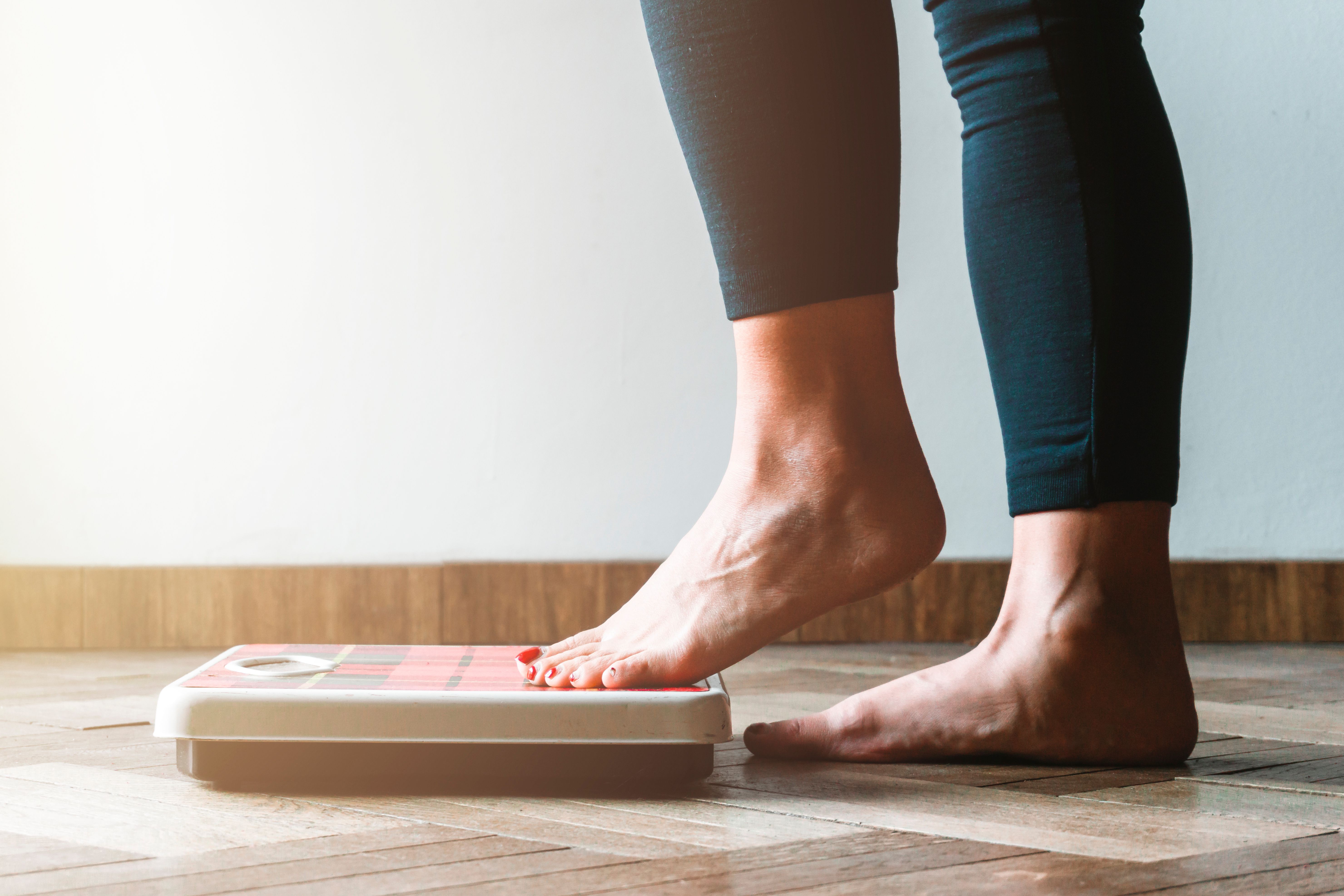
Gaining a significant amount of weight while taking antiretroviral therapy (ART) for HIV is linked to a diminished quality of life, according to new research. The findings highlight the critical need to consider weight management alongside treatment selection for individuals living with HIV.
Weight Gain’s Impact on Daily Living
A study published in AIDS Care revealed that people with HIV who experienced a 5% or greater weight increase while on ART reported a lower quality of life compared to those with less significant weight gain. ART is a cornerstone treatment for HIV, effectively suppressing the virus and enabling individuals to live longer, healthier lives. However, weight gain is a known side effect for a substantial number of patients initiating this therapy.
The observational study analyzed data from 225 individuals living with HIV in the U.S. collected between June 2021 and July 2022. Researchers found that 24% of participants experienced a weight increase of 5% or more over the previous year. These individuals, on average, had lower scores on quality-of-life assessments and adherence questionnaires.
Patient Demographics and Health Factors
The cohort, with a mean age of 44.7 years, was predominantly male (73.8%) and included a significant proportion of Black (29.8%) and White (57.8%) participants. While weight gain percentages were similar between racial groups, White participants were more likely to have experienced less than 5% weight gain.
Those who gained more weight also exhibited a higher mean Charlson Comorbidity Index, suggesting a greater burden of other health conditions. Hypertension and dyslipidemia were the most prevalent comorbidities. Notably, sleeping medication was prescribed more frequently to individuals who had gained substantial weight.
Quality of Life Scores Reflect Weight Impact
Participants with a weight gain of 5% or more scored significantly lower on quality-of-life measures, receiving an average score of 65.6 compared to 74.4 for those with less weight gain. Adherence to ART, assessed by a patient-reported questionnaire, also showed a difference, with lower scores among those experiencing greater weight gain.
While the study offers valuable insights, its authors noted limitations, including a male-dominated sample which may affect generalizability and the exclusion of individuals not regularly consulting with physicians. Unmeasured confounding factors could also influence the findings.
Future Directions for HIV Care
The study concludes that weight gain associated with ART can significantly impact the quality of life and potentially affect treatment adherence for people living with HIV. The authors emphasized the necessity of ongoing research to understand these changes over time and stressed the importance of monitoring weight and integrating weight management strategies into HIV care plans. This includes careful consideration of ART options that may have a lower propensity for weight gain.
Globally, an estimated 37.7 million people are living with HIV, with advancements in treatment allowing many to live near-normal lifespans. However, managing treatment side effects like weight gain remains a key challenge in optimizing patient well-being. The U.S. Department of Health and Human Services reports that approximately 1 in 6 people starting ART gain at least 10% of their body weight within one to two years of initiating treatment.
