
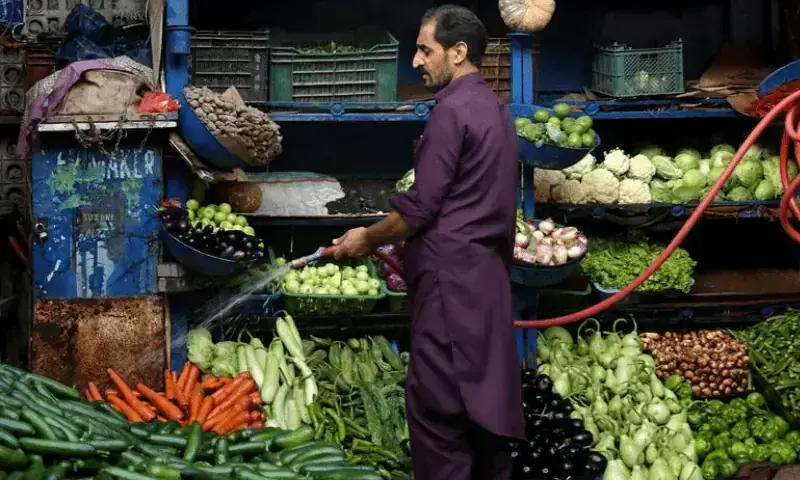
Pakistan’s Inflation Concerns Deepen: SPI Rises for 23 Consecutive Weeks
Islamabad, Pakistan – January 11, 2026 – Pakistani consumers are facing increasing economic pressure as short-term inflation, as measured by the Sensitive Price Index (SPI), continues its relentless climb. The latest data, released on Friday, indicates a 3.20% year-on-year increase for the week ending January 8, fueled by escalating retail prices of essential food items like wheat flour, sugar, and rice.
A Persistent Upward Trend
This marks the 23rd consecutive week of rising SPI-based inflation, painting a concerning picture of the economic climate for ordinary citizens. The primary drivers behind this sustained increase are surging prices of perishable goods, coupled with important increases in the cost of chicken and edible oils. While the weekly increase was modest at 0.12%,it still reflects a consistent upward trajectory in the prices of non-perishable food items [1].
The Impact of Sugar and Meat Prices
An extraordinary spike in the retail prices of sugar and meat has played a key role in reversing the recent deceleration in short-term inflation. These essential commodities, crucial for daily sustenance, are becoming increasingly unaffordable for many Pakistani households. The volatility in these prices underscores the challenges in stabilizing the domestic market and managing supply chains effectively.
Detailed Breakdown of Price Increases
examining the specific items driving inflation reveals a broad-based increase across various categories. Over the past week, wheat flour saw the most ample price jump at 5.07%, followed by chicken (2.86%), garlic (2.44%), chilli powder (1.01%), and LPG (0.88%). Other items experiencing notable price increases include prepared tea (0.73%), shirting fabric (0.61%), sugar (0.58%), bread (0.51%), broken basmati rice (0.41%), and firewood (0.25%).
Looking at annual price increases provides a longer-term perspective on the inflation crisis. wheat flour has experienced a staggering 31.12% price increase over the past year, while gas charges for the first quarter have risen by 29.85%. Beef prices are up 13.15%, chilli powder 11.43%, and sugar 11.18%. Other considerably impacted items include bananas and firewood (both up 10.57%), gur (10.50%), powdered milk (9.51%), shirting (8.73%),printed lawn fabric (8.29%), and eggs (8.03%).
Weekly Price Movement: A Mixed Picture
The latest SPI report indicates a mixed bag of price movements across different items. While 21 items saw their prices increase, eight items became cheaper, and 22 items remained stable compared to the previous week. This suggests that while inflationary pressures are widespread, some sectors are experiencing relative stability.
Understanding the Sensitive Price Index (SPI)
The SPI is a crucial economic indicator that tracks the average retail prices of a basket of essential goods and services consumed by a typical pakistani household. It serves as a primary measure of short-term inflation and is closely monitored by policymakers and economists to assess the economic well-being of the population.
Factors Contributing to Inflation
Several factors contribute to Pakistan’s current inflationary pressures,including:
- Global Commodity Prices: International prices of food and fuel significantly impact domestic inflation.
- Currency Devaluation: The Pakistani rupee’s depreciation against the US dollar makes imports more expensive, contributing to inflationary pressures.
- Supply Chain Disruptions: Interruptions in supply chains, both domestically and internationally, can lead to shortages and price increases.
- Demand-Pull inflation: Increased consumer demand, especially during peak seasons, can also drive up prices.
- Government Policies: Fiscal and monetary policies, including taxation and interest rates, play a role in managing inflation.
Looking Ahead: Managing Inflation
Addressing Pakistan’s persistent inflation requires a multi-faceted approach. Government measures to stabilize the currency, improve supply chain efficiency, and manage fiscal deficits are crucial. Targeted social safety nets are also essential to protect vulnerable populations from the rising cost of living.
The sustained increase in the SPI underscores the urgency of tackling inflationary pressures and ensuring economic stability for the people of Pakistan. Continued monitoring of prices and proactive policy interventions will be vital in navigating these challenging economic times.
