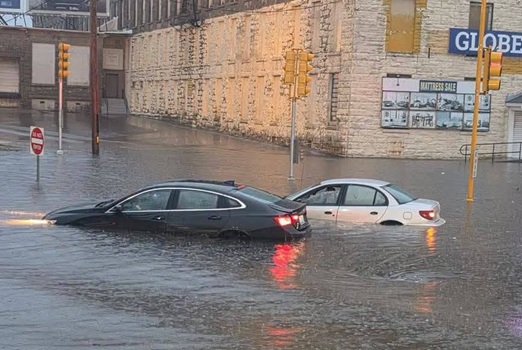
Weather Alerts for Rhode Island, Connecticut, and Southeastern Massachusetts
A flood watch is in effect for Rhode Island, Connecticut, and portions of southeastern Massachusetts through Tuesday afternoon, July 7, 2026. Forecasters anticipate heavy rainfall totaling up to six inches in localized areas, raising significant concerns regarding flash flooding, overwhelmed drainage systems, and structural damage to low-lying residential and commercial properties.
The Meteorological Drivers Behind the Warning
The National Weather Service (NWS) has issued the watch as a slow-moving atmospheric system stalls over the Southern New England region. This system is drawing significant moisture from the Atlantic, creating high precipitation rates that threaten to exceed the absorption capacity of regional soil, which remains saturated from recent seasonal rainfall. According to the National Weather Service, the most significant risk is concentrated in areas with poor drainage and urban centers where impermeable surfaces prevent rapid water runoff.
The threat is particularly acute for communities such as Fall River and New Bedford, Massachusetts. These historic coastal cities feature older infrastructure that often struggles during high-intensity precipitation events. When drainage systems reach capacity, the resulting surface water accumulation often leads to basement flooding and the compromise of foundation integrity.
Infrastructure Vulnerability and Urban Risk
Municipal infrastructure in Southern New England faces a dual threat: the immediate impact of flash flooding and the long-term degradation caused by recurring water intrusion. When storm drains are blocked by debris or overwhelmed by volume, water must find alternative paths, often through private property or critical transit corridors.

For property owners, the immediate priority is mitigation. Engaging with a qualified emergency restoration contractor is essential to prevent secondary damage, such as toxic mold growth or structural wood rot, which can occur within 48 to 72 hours of water exposure. Proactive measures, including the installation of high-capacity sump pumps or the clearing of exterior drainage grates, serve as the first line of defense against the current weather pattern.
Expert Perspectives on Regional Resilience
Local emergency management officials are emphasizing the necessity of situational awareness. While the rain is expected to taper off by Tuesday afternoon, the hydrological response—the time it takes for rivers and streams to crest—often lags behind the actual rainfall.
“The danger often persists well after the rain stops. Residents in flood-prone zones must monitor local gauge readings rather than just looking out their window at the sky. If the ground is already saturated, six inches of rain is not just a weather event; it is a structural stress test for every building in the path of the runoff.”
This sentiment, shared by regional civil engineers, highlights the discrepancy between surface-level observation and actual subterranean saturation levels. Property owners who have previously experienced water intrusion are advised to consult with certified structural inspectors to assess the current vulnerability of their building’s foundation and waterproofing membranes.
Economic Impacts and Legal Considerations
The economic burden of flooding extends beyond immediate repair costs. For commercial property owners, interrupted operations and potential liability for tenant safety create a complex legal environment. Navigating insurance claims for water damage requires meticulous documentation and, in many cases, professional legal guidance to ensure that policy language regarding “acts of God” or “flood exclusions” is interpreted accurately.

Business owners are increasingly seeking counsel from specialized real estate attorneys to review lease agreements and insurance coverage in the face of more frequent extreme weather events. The goal is to shift from reactive damage control to a standardized risk-management framework that protects physical assets and operational continuity.
Long-term Outlook for New England Property Owners
As the region adjusts to more volatile weather patterns, the standard for building maintenance is shifting. Historically, infrastructure was designed based on historical climate data that may no longer accurately predict the intensity of current storms. This “information gap” leaves many older structures at a disadvantage.
The reality for residents in Rhode Island, Connecticut, and Massachusetts is that flood preparedness is no longer a seasonal concern but a year-round requirement. Ensuring that your property is equipped to withstand rising water levels involves both immediate physical interventions and long-term financial planning. As the storm passes, the focus will inevitably shift from emergency response to the recovery of damaged assets. Connecting with the right professionals now—before the next surge—remains the most effective way to insulate your property against the inevitable challenges of an evolving climate.