Wearable Light Tracker Reveals Indoor Deficits and Simple Fixes for Better Sleep
In a column for Slate published on Sunday an author argues that tracking personal light exposure can improve sleep and metabolic health.
The piece details the author’s experience using a new wearable device to measure light intake across various indoor and outdoor environments.
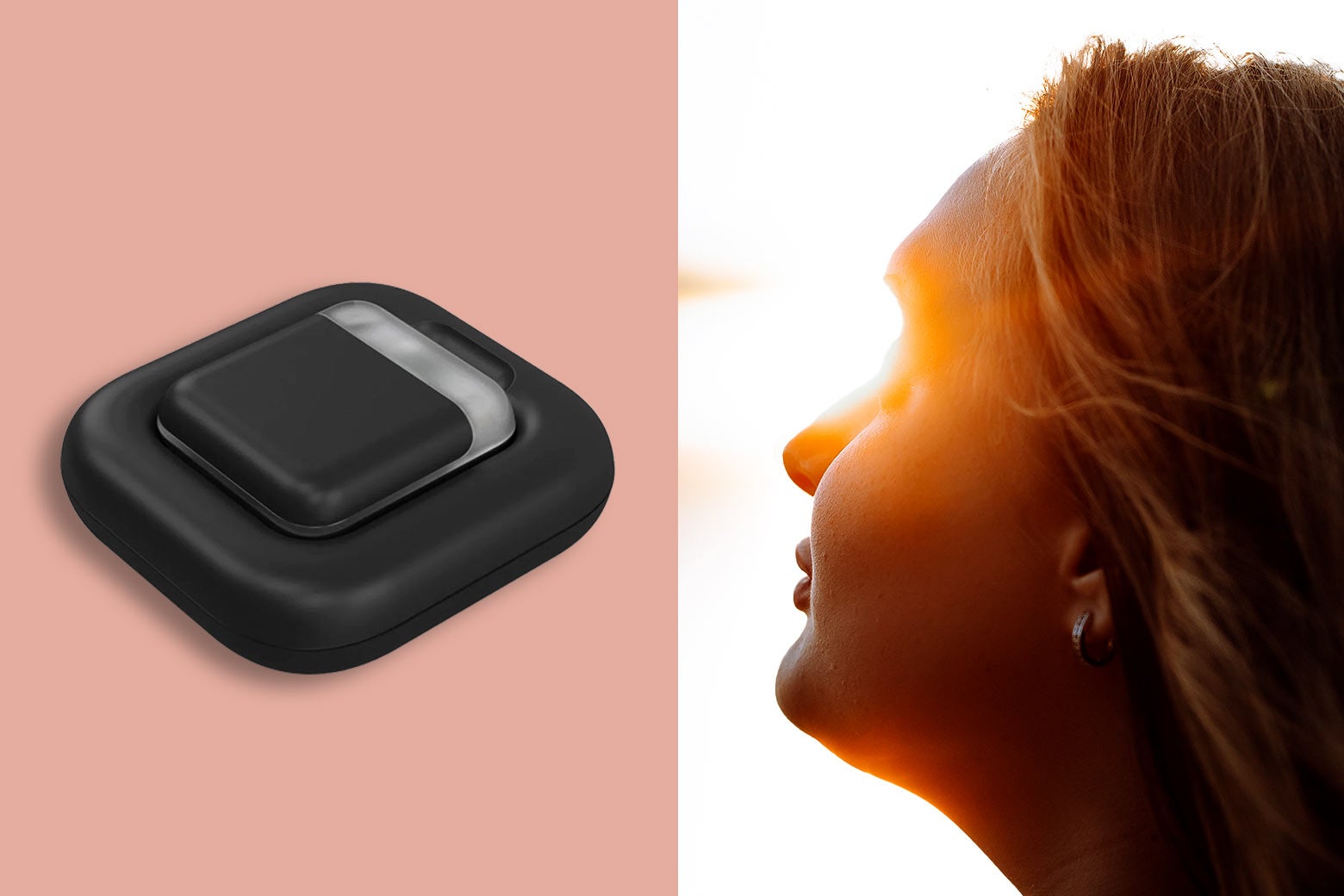
The device, called MiEye, was developed by a team of scientists in Australia led by Sean Cain, a specialist in light and circadian rhythms, Slate reported. The wearable, which resembles a small magnetic chicklet, tracks multiple types of light including photopic, melanopic, infrared, and ultraviolet wavelengths.
The author said that while current wearables track metrics like heart rate and steps, they often fail to distinguish between different types of light or are blocked by clothing, an issue Cain sought to address.
Light levels are measured in lux, a unit that the author found often remains low in modern indoor settings. Measurements taken by the author revealed that indoor environments frequently provide only a fraction of the light intensity found outdoors.
| Location | Light Intensity (lux) |
|---|---|
| Vermont lawn (noon) | 76,000 |
| Modern office building | 190 |
| Hospital ward | 64 |
| Midtown coffee shop | 7 |
Camping trip reveals infrared light exposure
The author wrote that research suggests infrared light may assist with metabolism and inflammation reduction, citing uses by dermatologists and dentists to accelerate healing.
Roger Seheult, a California doctor described as a pioneer in using light to improve patient outcomes, was testing the MiEye device when the author first learned of it through a video, according to Slate Magazine article. Seheult’s work influenced the author’s decision to try the wearable tracker developed by Sean Cain’s team in Australia.

Evening bulb swap cuts blue light while keeping visual brightness
When the author switched a bedside lamp to a “warm” LED bulb that produces mostly red and orange tones, the device measured 18 lux of overall visual light but only 6 lux of the bluish, sleep-suppressing wavelengths, Slate reported. The author described this as plenty for reading or gazing earnestly into the face of another while keeping melanopic exposure low.
The author wrote that this change helped achieve the expert-recommended evening target of less than 10 lux of blue light, and described coming to love the “firelike glow of my evening household and the ghostly flicker of my barely-lit screen in the black nothingness of night,” according to Slate Magazine column.
Sean Cain is a specialist in light and circadian rhythms who led a team of scientists in Australia to develop the MiEye. His expertise in these fields led him to address the limitations of current wearables, which often fail to distinguish between different light types or are obscured by clothing.
The author reported that during a camping trip, the MiEye recorded significantly higher light exposure, including infrared radiation, which is absent from modern LED lighting. According to the author, research suggests that infrared light may assist with metabolism and inflammation reduction. The author’s house measured 172 lux at noon, less than 1 percent of the outdoor reading. A local Walmart registered 200 lux, a grocery store 88 lux, a Warby Parker store 257 lux, a subway platform 45 lux, and museums were described as places you “may as well be dead.” While the author acknowledged that moving to a natural environment is not practical for most, the data indicated that circadian health could be managed by adjusting blue light exposure.
To support a healthy circadian rhythm, experts recommend spending daylight hours in more than 500 lux of blue light and evenings in less than 10 lux, Slate reported. The author found that by using “warm” LED bulbs—which produce more red and orange tones—in the evening, they were able to keep blue light levels low while maintaining sufficient illumination for reading.
“I stopped worrying and came to love the firelike glow of my evening household and the ghostly flicker of my barely-lit screen in the black nothingness of night,” the author wrote.
Keep reading
- Type 2 Diabetes Tied to 53% Higher Alzheimer’s Risk, Meta-Analysis Finds
- Georgian Dentist David Merges Tables Into Supra, Names 2002 Korea Squad
- Depend 30s Buyers Up 7 Percent as Light Incontinence Care Grows (newsdirectory3.com)
- Dunstable Paramedic Urges Better Mental Health Support in Prince William Meeting (newsy-today.com)