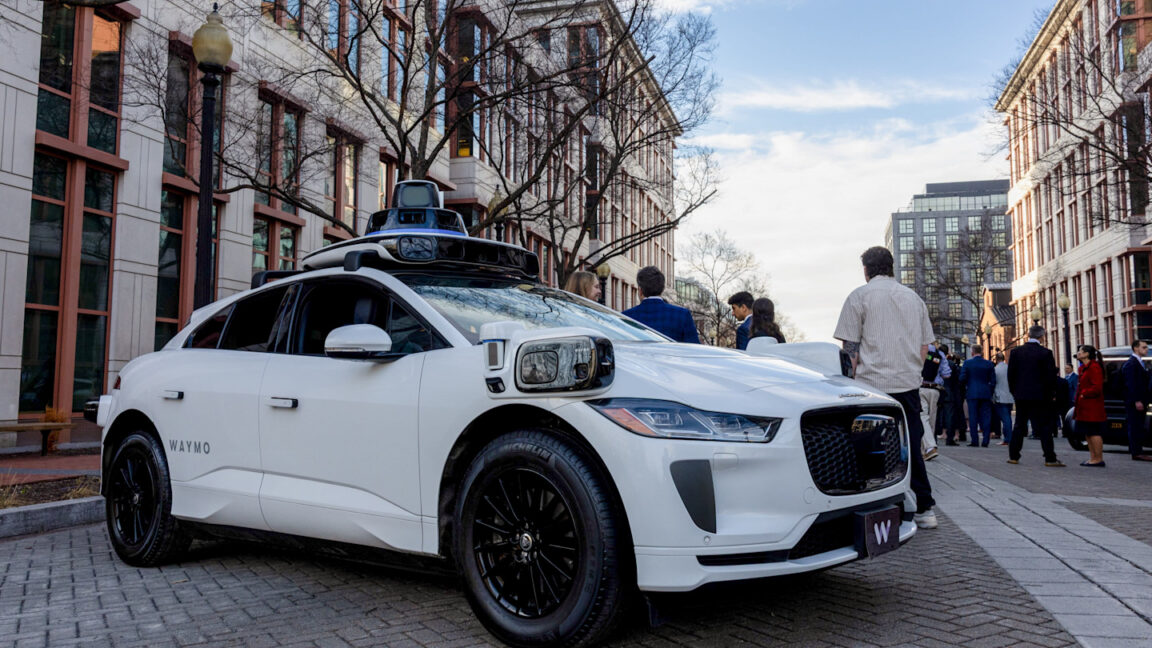
Waymo Doubles Lobbying Spend to Win Robotaxi Battle Against Uber
Waymo Doubles Lobbying Spending in Robotaxi Battle With Uber
Alphabet-owned Waymo increased its federal lobbying expenditures past $1 million between April and June, more than doubling its outlay from the same period a year earlier, according to regulatory filings. The spending surge underscores an intensifying legislative and commercial battle with rival Uber over the operational framework and deployment timeline for autonomous ride-hailing fleets across the United States.
The Tech TL;DR:
- Regulatory Push: Waymo spent over $1 million in Q2 2026, pushing its first-half total past $2 million—a 93 percent year-over-year increase—to advocate for a federal regulatory framework for autonomous vehicles.
- Strategic Divergence: Waymo is pressing for an accelerated rollout of fully driverless commercial services, whereas competitor Uber advocates for a staggered transition model incorporating human drivers alongside automated vehicles.
-
Market Positioning: Alphabet’s expenditure level now matches Uber’s traditional lobbying footprint, outpacing hardware and software competitors such as Amazon’s Zoox and Tesla.
Legislative Clashes and Federal Frameworks
According to federal disclosure filings highlighted by reporting from soz6.com, Waymo’s increased capital allocation toward Washington lobbying firms reflects a coordinated push to secure federal clearance for fully autonomous taxi operations. In May, the company expanded its roster by retaining law firm Greenberg Traurig to represent its interests before legislators and federal regulators. The primary objective behind this legislative push is the establishment of a unified federal framework to replace fragmented state-by-state rules that have slowed deployment schedules.
The aggressive lobbying campaign comes in response to stiff pushback in major metropolitan markets. Local politicians and labor organizations in cities such as New York and Chicago have raised concerns regarding workforce displacement and traffic management. These municipal hurdles have stalled expansion efforts, prompting both Waymo and Uber to deploy extensive resources in Washington, DC, and state capitals to shape upcoming transport legislation.
Diverging Roadmaps and Enterprise Friction
The legislative competition mirrors a deeper strategic divergence between Waymo and Uber regarding autonomous deployment models. Waymo’s software architecture targets fully autonomous commercial scaling without human safety drivers. Conversely, Uber favors a hybrid integration strategy that keeps human-driven vehicles operating alongside robotaxis within the same dispatch networks.

These competing commercial visions have strained corporate partnerships. Reports indicate that Waymo explored options to exit its partnership with Uber in Austin and Atlanta, where the ride-hailing platform manages localized service operations.
API Telemetry and Fleet Integration Protocols
curl -X POST https://api.autonomous-fleet-control.internal/v1/telemetry/status
  -H "Authorization: Bearer ${FLEET_API_TOKEN}"
  -H "Content-Type: application/json"
  -d '{
    "node_id": "waymo-vehicle-us-west-042",
    "diagnostic_state": "nominal",
    "latency_ms": 14.2,
    "container_status": "running"
  }'
Editorial Kicker: The Path to Unified Autonomy
As Waymo’s capital expenditure on government relations matches traditional ride-hailing incumbents like Uber, the trajectory of autonomous deployment will depend less on raw software capabilities and more on regulatory interoperability.