
Watson Canceled After Season 2: No Season 3 Renewal At CBS
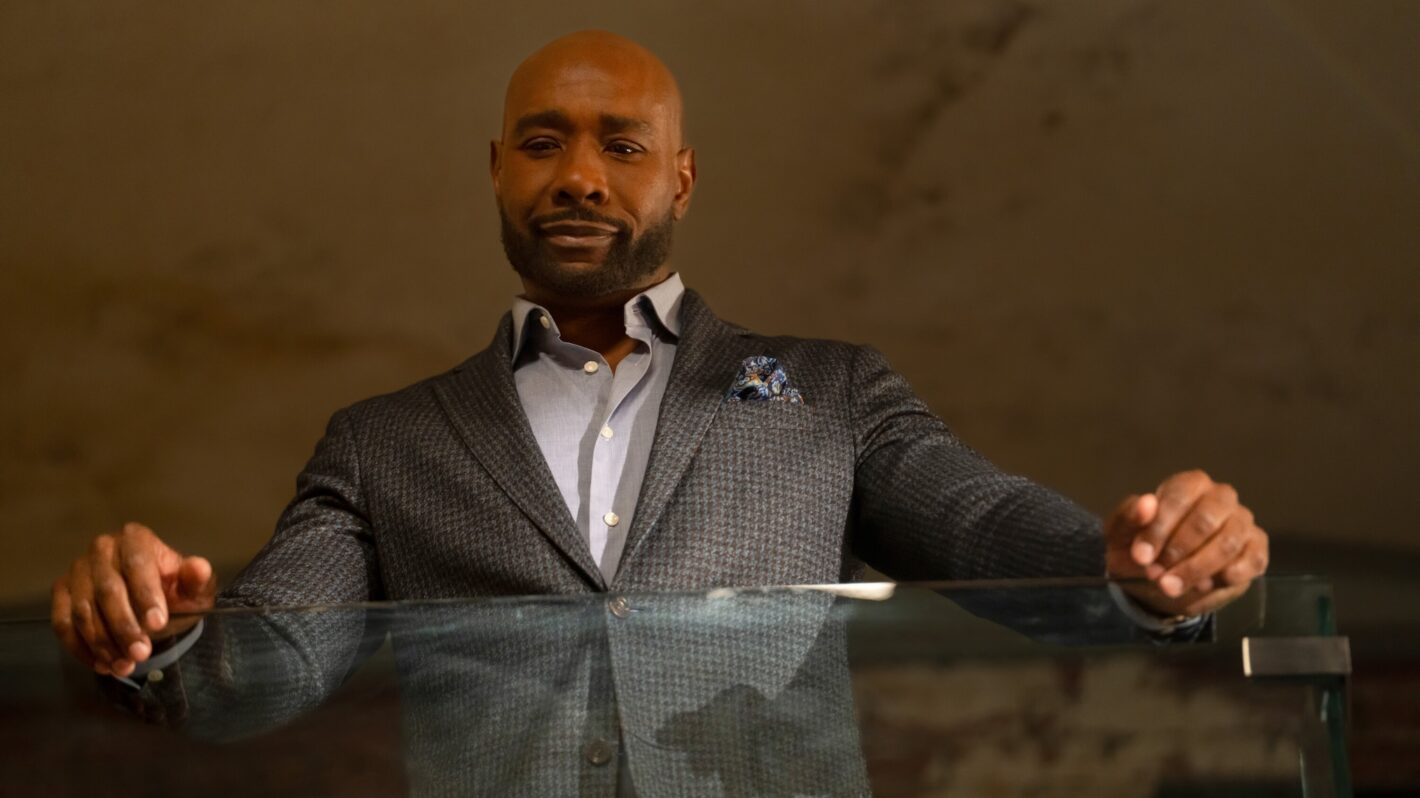
CBS officially canceled the medical procedural Watson on March 27, 2026, ending the Morris Chestnut-led series after two seasons. The decision clears space for the network’s 2026-2027 lineup, prioritizing higher-performing franchises like Tracker and NCIS. This move reflects a strategic pivot toward established IP and cost-effective production models in a tightening ad-revenue landscape.
The ink is barely dry on the cancellation notice, but in Hollywood, the obituary is just the opening act for the real business maneuvering. When CBS pulled the plug on Watson this Friday, they weren’t just cutting a show. they were excising a liability from a portfolio that demands ruthless efficiency. In an era where streaming SVOD metrics dictate broadcast survival, a “quality” show that doesn’t move the needle on total audience delivery is a luxury no legacy network can afford. The cancellation of Watson is a textbook case of portfolio optimization, signaling that CBS is doubling down on its “blue chip” procedural assets while shedding mid-tier experiments that fail to secure the lucrative backend syndication deals necessary for long-term profitability.
The writing was on the wall well before the official announcement. While CBS locked in renewals for heavy hitters like Tracker, Elsbeth, and the sprawling NCIS universe in January, Watson remained in limbo. The silence from the network was deafening, a common tactic when executives are waiting for the final Nielsen ratings to justify a cost-cutting measure. According to preliminary viewership data for the 2025-2026 television season, Watson struggled to maintain the 18-49 demographic retention required to justify its production budget against newer, flashier acquisitions like Cupertino and Einstein.
The show, a modern reimagining of Sir Arthur Conan Doyle’s iconic characters, attempted to blend the medical procedural format with the “doc-tective” mystery genre. Morris Chestnut’s portrayal of Dr. John Watson was critically praised for its charisma, yet the series failed to capture the cultural zeitgeist in the way its competitors did. The introduction of Robert Carlyle as a hallucinated or resurrected Sherlock Holmes in Season 2 was a bold creative swing, but it arguably alienated the core procedural audience seeking comfort-viewing consistency over serialized mythology.
The Economics of the Axe: Why Watson Didn’t Stick
Understanding why a show starring a talent of Chestnut’s caliber gets the axe requires looking past the creative merits and into the cold hard math of network television. The broadcast model in 2026 is a fragile ecosystem balancing linear ad revenue against the need to feed Paramount+ with exclusive content. Watson fell into the “uncanny valley” of television development: too expensive to be a cheap reality filler, but not distinctive enough to drive massive streaming migration.
Industry analysts point to three specific friction points that likely sealed the show’s fate, creating a perfect storm for cancellation:
- Demographic Erosion: Unlike Tracker, which successfully captured the male 18-49 demo, Watson saw a steady decline in live-plus-same-day viewership throughout its second season run, making it a harder sell to upfront advertisers.
- IP Saturation: The market is currently flooded with Sherlock Holmes adaptations. With the character firmly in the public domain, the barrier to entry is low, meaning Watson had to fight for attention against global competitors without the shield of exclusive licensing rights.
- Production Cost vs. Return: Medical dramas are notoriously expensive due to set requirements and large ensemble casts. When the return on investment (ROI) doesn’t match the efficiency of a single-camera comedy like Ghosts, finance departments inevitably intervene.
The decision to cancel just ahead of the April 15 schedule reveal suggests CBS wanted to finalize its grid without the uncertainty of a bubble show. By removing Watson, the network frees up a prime slot for a new acquisition or an expanded order for a proven commodity. This is standard operating procedure for legacy media conglomerates facing shareholder pressure to streamline operations.
The Aftermath: Talent, IP, and Brand Management
When a series is axed, the ripple effects extend far beyond the writers’ room. For the cast and crew, the immediate priority shifts from production to placement. Morris Chestnut, a veteran with significant brand equity, will undoubtedly leverage his existing relationships to secure his next project. Still, for the supporting cast and the hundreds of below-the-line workers, the sudden unemployment requires rapid intervention. This is precisely the moment where top-tier talent agencies and career management firms become critical. Navigating the transition from a network lead to a new role requires strategic positioning to ensure the cancellation doesn’t become a career stigma.
the cancellation raises captivating questions regarding the intellectual property lifecycle of the series. While the Sherlock Holmes characters are public domain, the specific characterizations, script elements, and the “Watson” brand identity created by the showrunners remain protected assets. CBS will likely archive the series for library value, potentially licensing it to international broadcasters or secondary streaming windows where procedural content has a longer tail. However, any attempt to revive the format or spin off elements would require careful navigation of entertainment law and copyright specialists to ensure no infringement on the original Doyle estate’s trademarks or conflicting adaptations.
“The cancellation of a network drama is rarely about quality; it’s about velocity. If a show isn’t growing its audience or securing its backend value by season two, the opportunity cost of keeping it on the air becomes too high for the network to ignore.”
From a public relations perspective, CBS must manage the narrative carefully. A cancellation can sometimes generate a backlash from a devoted, albeit small, fanbase. To mitigate this, networks often deploy crisis communication firms to frame the decision as a strategic evolution rather than a failure. The goal is to protect the network’s brand equity with advertisers, assuring them that the 2026-2027 lineup is leaner, meaner, and more profitable.
The Verdict on the “Doc-Tective” Genre
Watson attempted to modernize the medical mystery by injecting the DNA of a detective thriller. While the concept had merit, the execution struggled to find a unique voice in a crowded marketplace. The success of shows like House or The Good Doctor relied on a singular, compelling lead dynamic that Watson couldn’t quite replicate amidst the noise of the 2026 television landscape. The inclusion of Sherlock Holmes added a layer of complexity that perhaps distracted from the medical cases that form the backbone of the procedural format.
As the industry looks toward the fall season, the focus will shift to the new pickups like Cupertino and the returning heavyweights. For Watson, the legacy will be a footnote in the history of CBS’s attempt to diversify its procedural slate. The show served its purpose as a placeholder, testing the waters for a specific demographic, but in the high-stakes casino of network television, the house always wins, and the chips have been moved to a different table.
For industry professionals tracking these shifts, the cancellation of Watson serves as a reminder of the volatility of the current market. Whether you are a producer looking to pitch the next big medical drama, or a talent agent managing a client’s exit strategy, understanding the financial and legal underpinnings of these decisions is paramount. The directory remains the essential tool for connecting with the legal, PR, and management experts who navigate these turbulent waters daily.
Disclaimer: The views and cultural analyses presented in this article are for informational and entertainment purposes only. Information regarding legal disputes or financial data is based on available public records.