
indonesia Unveils Seven-Point Strategy to Overhaul National Waste Management
Serang, Banten – Indonesia‘s Minister of Environment and Forestry, Hanif Faisol Nurofiq, announced a thorough seven-point strategy on Saturday to address the country’s escalating waste management challenges and drive a national conversion. The proclamation was made during World cleanup Day 2025 celebrations in Serang.
The core of the strategy focuses on institutional reform, with a key directive for local governments to clearly separate regulatory and operational functions within waste management systems. Nurofiq emphasized that combining these roles hinders effective oversight and accountability.
Beyond restructuring, the minister stressed the importance of elevating waste management to a essential public service, comparable in priority to access to clean water and healthcare. He also called on provincial governors to fully embrace their regulatory roles and mandate that industrial, tourism, and commercial entities independently manage their waste generation, relieving pressure on district and city administrations.
To facilitate a circular economy,a bankable national waste management master plan is to be developed. Nurofiq also highlighted the need for innovative financial mechanisms and the consistent submission of the “polluter pays” principle, ensuring those responsible for waste bear the associated management costs.
Reinforcing compliance, the Minister underscored the necessity of rigorous enforcement of existing regional regulations. Alongside enforcement, a nationwide push for improved public awareness through enhanced communication, information, and education campaigns is planned to foster a stronger culture of cleanliness.
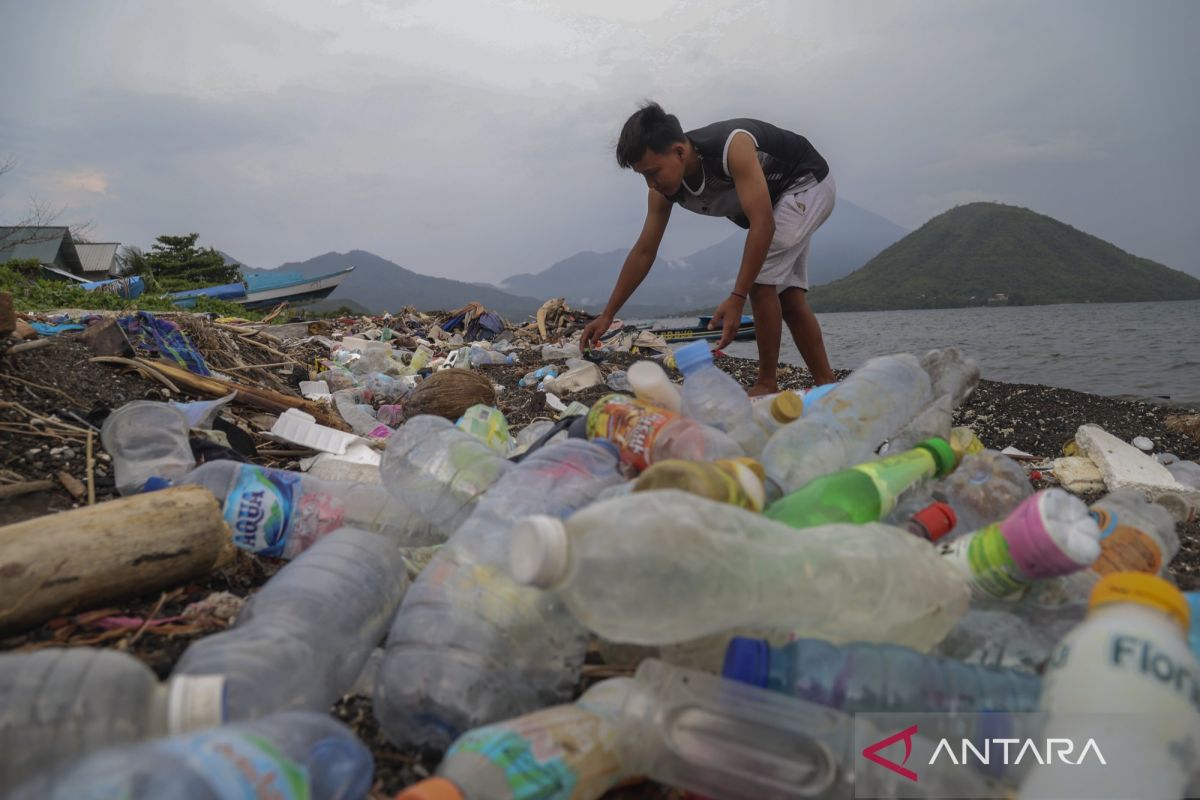
The announcement followed a successful World Cleanup Day event where approximately 335,000 volunteers collected 490 tons of waste across 29 Indonesian provinces. Nurofiq concluded by stating that effective waste management is a defining characteristic of developed nations, adding, ”Let us leave a legacy and transform Indonesia’s waste management across the nation.”
Related News:
* Sustainability seen key to industry’s future: Indonesian official
* Indonesia urged to tighten industrial waste management
Translator: Primayanti
Editor: Anton Santoso
Copyright © ANTARA 2025
