
Washington Dairy Farms Test Positive for Bird Flu
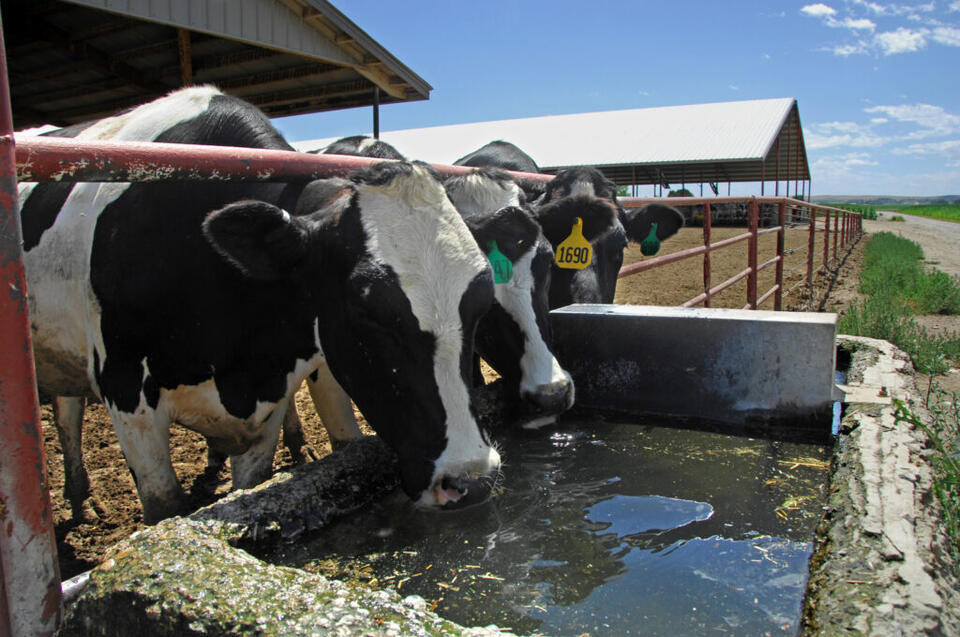
In a span of just three weeks, 27 dairy farms in Washington state have tested positive for highly pathogenic avian influenza, marking a swift surge in livestock infections, the Washington State Standard reported.
Yakima and Benton County Herds Test Positive
The outbreak began in early October when the Washington State Department of Agriculture confirmed the first detections of the virus in two Yakima County dairy herds. By October 26, the agency reported that the virus had reached Benton County. Twenty-seven dairy farms have now tested positive as the infection spreads through local cattle populations.
Washington is the 20th state in the country to detect avian influenza in dairy cattle. Over the last two years, the Washington Animal Disease Diagnostic Laboratory conducted more than 7,000 bird flu tests on individual farms, with all previous results coming back negative until the recent spike.
To track and halt the transmission, every farm in the targeted milkshed experiencing active spread is currently being tested on a weekly basis, according to state veterinarian Amber Itle.
Containment Efforts Face Environmental Uncertainties
State officials acknowledge that containing the outbreak presents significant challenges because researchers do not fully understand all the vectors of transmission for highly pathogenic avian influenza. While transferring sick dairy cows and contaminated equipment between farms are known causes, investigators are exploring other pathways.
The virus is moving fast … despite all the efforts that we’ve done within containment. Right now, the risk for humans is very low.
Studies suggest that wind, flies, and migratory birds moving from one agricultural property to another may also spread the pathogen. In response to the widening cluster, the Washington State Department of Agriculture recommends that farmers isolate any animals suspected of carrying the disease.
Pasteurization Keeps Commercial Milk Safe for Humans
Despite the rapid spread among dairy herds, public health officials emphasize that the current threat to the general public remains low. Milk from infected dairy cows does not pose a risk for human consumption because commercial pasteurization kills the virus during processing. State officials also confirmed that the virus has not been detected in meat.
Infected cattle typically exhibit symptoms that include a sharp decrease in milk production, changes in milk appearance, loss of appetite, fever, respiratory issues, and changes in manure. When properly managed and treated, most affected cattle recover within a six-week window.
Producers who observe clinical signs in their herds are advised to report symptoms directly to the Washington State Department of Agriculture by calling 360-902-1878 or by emailing ahealth@agr.wa.gov.